Sloped landscapes demand erosion control that works with the terrain, not against it. The right mulch netting or erosion control blanket helps stabilize soil, retain moisture, and encourage vegetation on hills and embankments. This guide reviews five effective options designed to protect slopes, reduce runoff, and support rapid vegetation cover. All picks feature biodegradable or eco-friendly materials when possible, balancing performance with environmental considerations for long-term slope management.
| Product | Brand | Key Benefit |
|---|---|---|
| Sandbaggy Jute Netting Roll | Sandbaggy | Heavy-duty, biodegradable jute that stabilizes soil and promotes growth |
| Farm Plastic Supply Erosion Control Blanket (6′ × 112.5′) | Farm Plastic Supply | 70% straw and 30% coconut fiber blend; biodegradable netting |
| Farm Plastic Supply Erosion Control Blanket (2′ × 112.5′) | Farm Plastic Supply | Small, adaptable blanket for tighter slopes; biodegradable netting |
| Farm Plastic Supply Erosion Control Blanket (3′ × 112.5′) | Farm Plastic Supply | Medium-width solution with straw/coconut composition; biodegradable netting |
| Farm Plastic Supply Erosion Control Blanket (7′ × 112.5′) | Farm Plastic Supply | Wide coverage for larger slope areas; biodegradable netting |
Sandbaggy Jute Netting Roll For Slopes
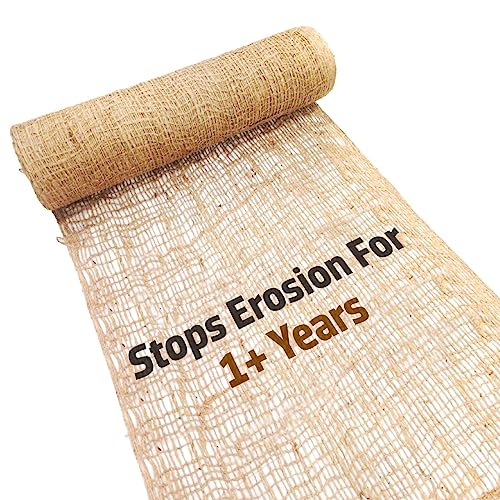
The Sandbaggy Jute Netting Roll (4 ft x 30 ft) provides a natural erosion control blanket ideal for slopes, hills, and drainage areas. The primary material is 100% natural jute, offering eco-friendly performance that decomposes over time and enriches the soil. It helps prevent soil loss, supports land stabilization, and promotes vegetation establishment in residential, commercial, and construction settings. Durability is designed for 6-24 months of use to bridge the period until plants develop deep roots.
Key features include rapid erosion protection, environmental compatibility, and a long-lasting profile suitable for mixed-grade slopes. The product aligns with eco-conscious landscaping or site restoration projects seeking a biodegradable solution that reduces landfill waste. While not a synthetic blanket, its natural fiber composition requires consideration of site-specific moisture and UV exposure for optimal performance.
Farm Plastic Supply Erosion Control Blanket (Straw/Coconut) 6′ x 112.5′

This straw/coconut erosion control blanket blends 70% straw with 30% coconut fiber, providing a temporary rolled solution for slope stabilization. The netting is 100% biodegradable, with the photodegradable brown poly net designed to biodegrade after approximately 90 days. The combination supports seed germination and early vegetation while withstanding rainfall and surface runoff. The 6-foot width is well-suited for mid-to-large slope sections and can be paired with standard stakes or pins for secure installation.
Overall, this blanket offers a straightforward, cost-effective approach to erosion control on slopes. It balances easy handling with environmental responsibility, making it a practical choice for landscaping, restoration, and agricultural projects where biodegradable materials reduce long-term environmental impact.
Farm Plastic Supply Erosion Control Blanket (Straw/Coconut) 2′ × 112.5′

This 2-foot-wide straw/coconut erosion control blanket provides a compact option for narrow or layered slopes where wider blankets are impractical. The 70/30 composition supports temporary stabilization and eventual vegetation cover. With 100% biodegradable netting, the product biodegrades as plants establish, helping reduce maintenance needs. It is best suited for smaller slope segments, edging, or terraced landscapes where frequent reinforcements may be required after heavy rainfall events.
The 2′ width enables precise placement around plantings or along contour lines, making it a flexible tool for hillside gardens and restoration projects. As with other biodegradable blankets, consider slope angle, seed mix, and anticipated wind exposure to maximize success.
Farm Plastic Supply Erosion Control Blanket (3′ × 112.5′)
The Straw/Coconut blanket in a 3-foot width provides a mid-range solution for slopes into medium-sized projects. Its 70/30 composition supports quick surface stabilization, while the 100% biodegradable netting limits environmental impact. The product is designed to biodegrade within roughly 90 days, aligning well with shorter-term stabilization needs and early plant establishment. This size is commonly used for garden terraces, road embankments, and small construction sites where rapid, temporary erosion control is essential.
As with all Farm Plastic Supply options, the blanket is designed for ease of installation with a biodegradable net that integrates into the soil as plants take root, reducing residue and cleanup later in the project lifecycle.
Farm Plastic Supply Erosion Control Blanket (8′ × 112.5′)
This wide blanket is designed for larger slopes and expansive stabilization projects. The 70% straw and 30% coconut blend provides robust surface coverage while the 100% biodegradable netting ensures an eco-friendly lifecycle. Biodegradation typically begins around 90 days, allowing for seedling establishment and reduced post-installation maintenance. This option reduces the need for multiple passes of material on large sites, offering efficiency on bigger projects such as hillside restorations or extensive landscape renovations.
For slope management, consider pairing wider blankets with seed mixes that tolerate partial shade and higher moisture, as well as staking patterns that secure the blanket against wind uplift on exposed terrains.
Buying Guide: Key Considerations For Mulch Netting On Slopes
- Material and biodegradability: Natural fibers like jute provide excellent soil contact and decomposition, while straw/coconut blends balance temporary stabilization with soil health. Consider site runoff, wind, and long-term soil restoration needs.
- Slope compatibility: Narrow blankets work on tight contours, while wider blankets cover larger areas quickly. Choose widths that match slope grade and length to minimize laps and seams.
- Netting type: Biodegradable poly nets are common; ensure the netting will degrade in the expected timeframe to avoid residue or soil impedance during seedling growth.
- Duration of stabilization: If the goal is short-term stabilization until roots establish, a 60–90 day degradation window may be appropriate. For longer stabilization, select materials with longer field longevity.
- Seed compatibility: Some products are designed to pair with seed mixes or hydroseeding. Verify compatibility with your vegetation plan to maximize germination and growth.
- Installation considerations: Proper anchoring with staples or pins is essential on windy or steep slopes. Check installation guidelines for each product to ensure secure placement.
- Environmental impact: Favor eco-friendly, biodegradable options where possible to minimize landfill waste and support soil health during restoration.
- Cost and availability: For large projects, bulk-friendly options with readily available stock can reduce overall project costs and scheduling delays.
- Performance on moisture: On drier sites, select materials with good water retention properties or add mulch layers to further conserve moisture and support establishment.
- Maintenance needs: Some blankets require periodic inspection after storms and re-staking to maintain slope protection during the establishment period.