Winter can threaten fruit trees and shrubs, but the right covers protect blossoms, buds, and remaining fruit from frost, wind, and icy rain. This guide highlights five top options ideal for American winters, from small backyard trees to larger orchard specimens. Each pick is evaluated for durability, ease of use, and stretch of protection, helping you choose the best fit for your climate and plant size. The buyer is best served by selecting a cover that balances insulation with breathability and reliable securing features.
| Product | Size / Coverage | Material Strength | Best For |
|---|---|---|---|
| LCHUANG 2Pack Winter Plant Covers | 63″ x 71″ | Thick 3.2 oz/yd² non-woven polypropylene | Medium to large fruit trees; windy climates |
| YATHO Plant Covers Freeze Protection | 31.5″ W x 47.3″ H (per bag) | 2.4 oz/sq ft non-woven fabric | Smaller fruit shrubs and potted trees |
| Pasidener 2 Packs 70″x60″ | 70″ x 60″ | 2.8 oz/sq² with anti-UV | Medium-to-large shrubs and fruit trees |
| SCRUBIT 60 x 70 in. (2 Pack) | 60″ x 70″ | Extra thick, high-durability fabric | Large trees and shrubs needing robust protection |
| HEKIWAY 95″x95″ | 95″ x 95″ | 2.8 oz/yd² heavy non-woven fabric | Very large trees and sprawling shrubs |
LCHUANG 2Pack Winter Plant Covers

Best for: Home gardeners with several medium-to-large fruit trees or shrubs, especially in climates with light to moderate frosting. The 63″ by 71″ size fits many fruit trees, and the 3.2 oz/yd² fabric offers substantial insulation without excessive bulk. The zipper and drawstring help secure covers against wind and allow quick access for watering or checking buds. Selection note: choose this if you need robust frost protection and a reliable seal to prevent wind intrusion, but verify tree height and canopy spread to ensure full coverage.
Why chosen: This option emphasizes a thicker, tear-resistant fabric that retains warmth, providing a small insulation layer around the plant while still allowing breathability. The dual closure system reduces heat loss during installation and removal, which can protect emerging buds during sudden cold snaps. A potential limitation is that the larger 63″ x 71″ footprint may not fully cover especially tall trees without adjustment or multiple units.
YATHO Plant Covers Freeze Protection (2 Packs)

Best for: Gardeners with a mix of shrubs and smaller trees looking for breathable, moisture-permeable protection. The 2.4 oz/sq ft fabric provides up to approximately 10°F frost protection, which suits regions with moderate winter chill. The zipper and drawstring construction are designed for quick setup. Consider this option if you want a balance between protection and air circulation to avoid humidity buildup on plant surfaces.
Why chosen: The fabric strikes a practical balance between warmth and airflow, reducing the risk of mold or overheating. The design helps keep cold winds at bay and allows for checking plant health without full removal. Limitation: smaller coverage area per unit means you may need more covers for larger trees, which could increase procurement cost if you have many specimens.
Pasidener 2.8oz 2 Packs 70″x60″

Best for: Home gardeners needing strong, UV-resistant protection for medium-to-large trees and shrubs. The 2.8 oz/sq² fabric provides robust ice and wind resistance while offering breathability to maintain plant health. The zipper and drawstring combination reduces movement in windy spots. Choose this if you require higher durability and easier inspection without fully removing the cover.
Why chosen: Upgraded material with anti-UV helps extend life under sun exposure between seasons. The dual closure system makes installation straightforward and protects against wind-driven displacement. Limitation: larger trees may require careful placement to ensure all critical areas are covered; check canopy dimensions before purchasing.
SCRUBIT Plant Covers Freeze Protection (2 Pack)

Best for: Gardeners with large trees or fruit-bearing shrubs that require extra thick protection. The 60″ x 70″ size offers substantial coverage and the product line emphasizes long-lasting materials and high durability. The fabric transmits 90% of sunlight, balancing warmth with photosynthesis needs. Consider this option if you need a sturdy cover that lasts multiple seasons and covers substantial canopy space.
Why chosen: The emphasis on durability helps ensure protection through repeated winters, which can be valuable for high-value trees. The ability to transmit most sunlight helps prevent excessive shading. Limitation: the 60″ width may leave some taller trees partially exposed depending on growth; plan for additional coverage if your trees exceed the width.
HEKIWAY 2 Pack 95″x95″
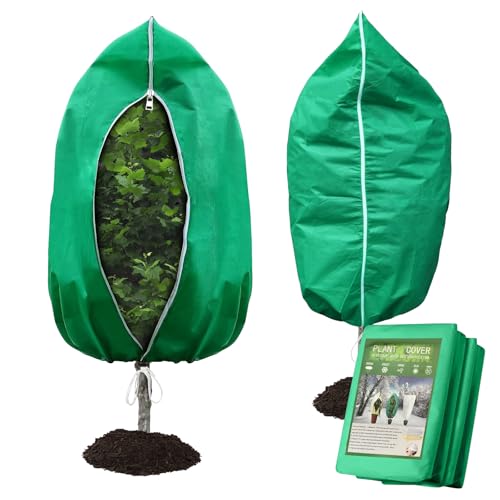
Best for: Very large trees, extensive shrubs, or orchard setups that require broad coverage with minimal pieces. The 95″ x 95″ size delivers expansive protection in one cover, reducing the number of individual wraps needed. The combination of a strong 2.8 oz/yd² fabric and a zipper with a bottom drawstring helps maintain a snug fit even in windy conditions. Choose this if you need maximal coverage with fewer covers.
Why chosen: Large single-piece coverage minimizes gaps and reduces setup time. The zipper access is convenient for quick checks and care without full removal. Limitation: very large covers can be heavy and awkward to position in tight spaces or against tall trees; ensure you have help or proper support for placement.
Buying Guide: Key Purchase Considerations
- Size and coverage: Measure canopy width and height to choose a cover that fully shields the plant. If your trees exceed standard sizes, consider extra-large options or multiple covers.
- Fabric thickness and insulation: Thicker fabrics (2.8 oz/yd² and above) offer stronger frost protection but may be heavier to handle. Lighter fabrics provide better airflow but less insulation.
- Breathability and light transmission: A balance is essential. Covers should keep cold out while allowing sunlight and moisture to reach the plant interior when temperatures rise.
- Closure systems: Zippers help with quick access; drawstrings keep covers from blowing away. Ensure closures are sturdy and weather-resistant.
- Durability and UV resistance: Anti-UV materials extend life in sun-exposed windows between frosts. Look for reinforced seams and tear resistance for long-term use.
- Reuse and storage: Reusable covers save money over time. Consider how easy they are to fold and store between seasons to protect their condition.
- Climate considerations: For regions with frequent heavy frost or wind, prioritize thicker, windproof designs with secure closures. In milder zones, lighter, breathable options may suffice.
Frequently Asked Questions
- What size frost cover should I choose for a small fruit tree?
– For small fruit trees, look for 31″–60″ wide covers that wrap the canopy without crowding the trunk. A drawstring helps secure the bottom against wind. - Can plant covers be reused for multiple seasons?
– Yes. Covers made from durable non-woven fabric can be reused for several winters if stored properly and kept away from sharp edges. - Do I need to remove covers during warmer days?
– It’s helpful to vent and check on plants when daytime temperatures rise above freezing. Many covers allow partial opening without full removal. - Will covers block essential sunlight for photosynthesis?
– High-quality covers balance warmth with light transmission; select fabrics that transmit a high percentage of sunlight to avoid starving plants. - How do I prevent covers from blowing away in windy conditions?
– Use bottom drawstrings to secure the base and ensure snug fit around the plant. For very windy sites, additional tie-downs or weights can help. - Can I use these covers for potted plants on balconies or patios?
– Yes. Smaller, breathable options are suitable for potted plants, but ensure the volume inside doesn’t trap excessive humidity around delicate buds.