Windmill aerators offer a hands-free, energy-efficient way to aerate small ponds, supporting healthy fish, clearer water, and better oxygen distribution. This guide highlights top windmill-based aeration products and compatible accessories to help American pond owners choose the right setup. Explore options ranging from heavy-duty, weather-ready windmills to maintenance-friendly diffusers that pair with wind-powered systems, and learn how to optimize performance for ponds up to several acres.
Summary Table of Selected Products
- Outdoor Water Solutions AWS0011 12-Foot Windmill Pond Aerator
- Scott Windmills 47-inch Windmill Head
- Outdoor Water Solutions Decorative Backyard Windmill (11 ft 6 in)
- Premium High-Efficiency Diffuser For Outdoor Pond & Lake Aeration
- Scott Windmills 60-inch Windmill Head
Outdoor Water Solutions AWS0011 12-Foot Windmill Aerator
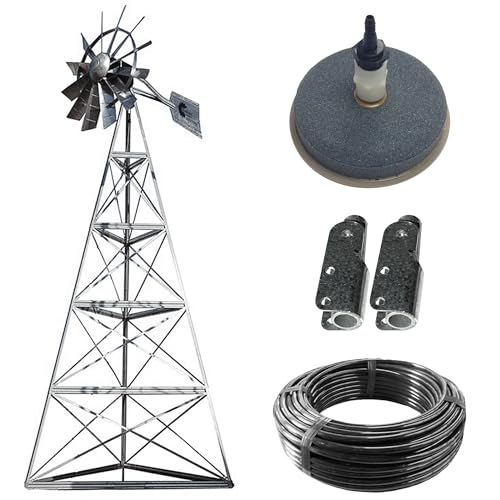
The AWS0011 model uses a galvanized, 3-legged design built to withstand outdoor conditions while delivering robust airflow for pond aeration. It features BalCam technology intended to extend compressor life by reducing bearing fatigue, and it comes with a 5-year warranty for added reliability. With an 18-gauge galvanized steel construction, this unit is designed to resist weathering and corrosion, making it suitable for year-round use in American climates. The aerator can deliver up to 4.5 CFM at 30 PSI, leveraging upgraded 1/2″ airline lines and enhanced check valves to improve airflow and pond coverage. This combination makes it well-suited for medium-sized ponds that require steady oxygenation and consistent mixing of surface and deeper water layers.
In field applications, the AWS0011 is valued for its balance of durability and performance. The 12-foot height helps keep the unit above weed beds and surface obstacles, promoting better airflow distribution throughout the water column. While suited for ponds up to roughly an acre, pond owners should assess water depth, fish load, and plant growth to tailor the diffuser and airline configuration for optimal oxygen transfer. This windmill aerator is manufactured in the USA and is designed to support a straightforward maintenance routine with replaceable components when needed.
Scott Windmills 47-Inch Windmill Head

The 47-inch windmill head from Scott Windmills blends classic design with practical build quality. The head features a plain tail and a 14-blade fan, contributing to a broad rotational sweep that can drive aeration systems attached to a wind-generated shaft. The product emphasizes simplicity with easy-to-follow instructions for building a stand using common lumber (lumber not included). Red vinyl tips offer high visibility and protection against impact. This option is ideal for pond owners who want a traditional windmill aesthetic while supporting basic wind-powered aeration setups or serving as a component in a larger, modular aeration system.
As a primary aerator head, performance will hinge on wind availability and the connected equipment. The falcon-like silhouette and sizable diameter provide a visually striking focal point for a pond landscape, while the easy-to-assemble instructions help hobbyists tailor a supporting structure on-site. To maximize aeration effectiveness, users should couple this windmill head with compatible gear such as a suitable tail assembly, bearings, and an aeration line designed for the chosen depth and pond volume. Regular maintenance of moving parts and fasteners will help ensure continued operation in varying weather conditions.
Outdoor Water Solutions Decorative Backyard Windmill
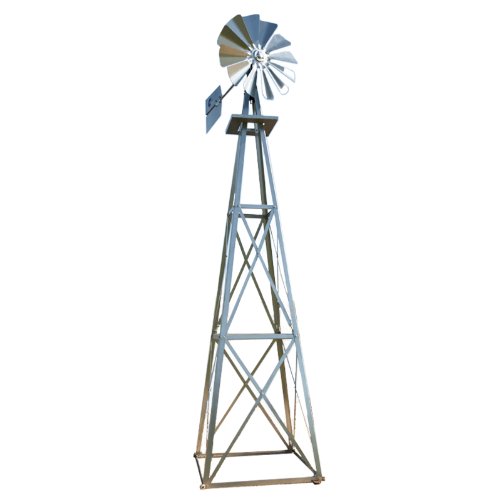
This decorative windmill stands at 11 feet 6 inches, featuring a sturdy four-leg tower designed for lawn or garden decor while offering a durable platform that can host small aeration components if desired. The design emphasizes weather resistance and long-term stability with sealed bearings intended to extend life in outdoor environments. The included ground stakes provide a quick, safe anchoring system for uneven terrain and windy days. While primarily intended for aesthetic enhancement, this windmill can be paired with lightweight aeration gear for light-duty surface agitation or as a wind-driven accessory in a broader pond maintenance plan.
Homeowners may appreciate the decorative value combined with practical anchoring features. The four-leg tower provides stable support, reducing wobble in breezy conditions. If used for aeration, ensure the windmill is paired with a compatible air diffuser or pump system and designed to withstand the load of the attached components. Regular checks for bearing wear and fastener tightness will help preserve performance and appearance through seasons of use.
Premium High-Efficiency Diffuser For Outdoor Pond & Lake Aeration
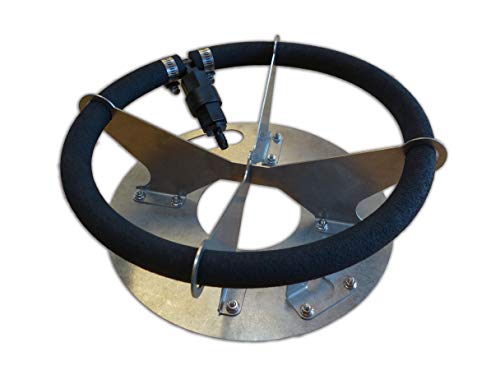
This diffuser by U.S. Solar Mounts is 100% made in the USA and designed to be compatible with any aerator, compressor, or windmill. It is marketed as a durable, long-lasting replacement for air stones or membrane diffusers, with a rugged stainless steel base that self-sinks and an integrated handle for easy installation. The diffuser aims to increase oxygen transfer and improve lift within the water column, helping to distribute air more effectively through the entire pond. A straightforward, install-and-use approach makes this diffuser a solid upgrade for existing aeration setups that rely on diffuser systems or for windmill-driven air transport through compatible piping.
Potential buyers should consider diffuser size relative to pond volume, the compatibility with existing lines, and the ease of maintenance. The self-sinking base reduces the need for additional ballast and helps keep the diffuser oriented correctly on the pond bottom. The integrated handle is useful for positioning and retrieval in deeper waters. For optimal results, pair with a reliable regulator, tubing, and a well-matched air pump or wind-driven air source to ensure consistent oxygenation over time.
Weighted Airline For Pond Aeration – 50 Ft
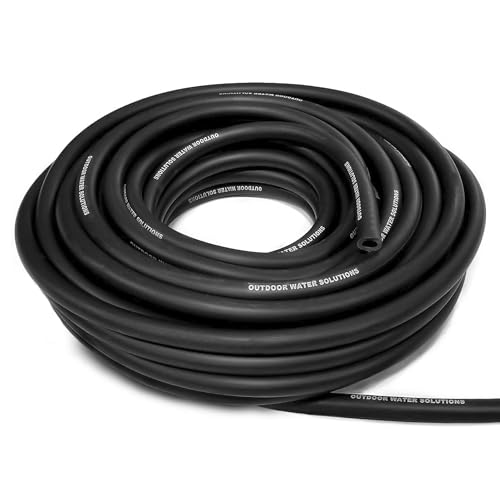
This 50-foot roll of weighted airline (1/2″ inside diameter) is designed to self-sink, helping maintain efficient oxygen delivery from aeration equipment to diffusers across pond depths. The self-sinking rubberized tubing reduces tangling and helps distribute air evenly throughout the water column. Its versatility makes it compatible with a range of windmill, solar, or electric aeration setups, turning a wind-powered system into a reliable, comprehensive aeration network. The tubing’s durability supports prolonged outdoor use with resistance to kinks and wear from handling during installation or seasonal adjustments.
When selecting airline length, balance pond size, diffuser positions, and windmill reach to avoid excessive looping or air loss. This weighted line is especially useful for installations where the aerator and diffuser are spread over multiple zones or where deeper ponds require extended air lines. Regular inspection for abrasion points and clear endings is recommended to maintain oxygenation performance and prevent leaks that could compromise efficiency.
Scott Windmills 60-Inch Windmill Head

The 60-inch Scott Windmills head offers a larger wind-driven aeration option with an extended diameter and a plain tail design. The 18-blade configuration provides a broader sweep to capture stronger, steadier winds for energy-efficient aeration. This model includes instructions and a list of lumber requirements for constructing a wooden stand (lumber not included), enabling hobbyists to build a stable platform in a suitable outdoor space. As a performance-focused component, it pairs well with compatible tail assemblies, bearings, and an aeration line to create a robust wind-powered solution for mid-to-large ponds or decorative installations that also contribute to oxygenation and water movement.
Users should assess site wind patterns, maintenance access, and compatibility with existing aeration lines when integrating this windmill head into a broader system. Regular attention to blade balance, fastener integrity, and alignment with the rotor can help sustain efficient airflow and reduce wear over time. The windmill’s visual appeal also adds landscape value while supporting practical pond management goals.
Buying Guide: Key Purchase Considerations And Comparisons
- Wind exposure and location: Windmill performance depends on consistent wind. Choose a site with ample exposure and minimal obstructions. Taller mills and larger blade assemblies generally perform better in steady, moderate winds.
- Pond size and depth: Larger ponds or deeper waters require higher airflow and longer airline runs. Match the windmill’s CFM output and diffuser capacity to the pond’s volume and fish load.
- Material durability: Galvanized steel and sealed bearings resist corrosion and weathering. U.S.-made components and warranty coverage add long-term value, especially in harsh climates.
- Air delivery system: A complete setup includes the windmill, air diffuser or stone, airline, and regulator. Weighted airline helps prevent tangling and improves energy efficiency, while high-efficiency diffusers enhance oxygen transfer.
- Maintenance and accessibility: Look for components with easy access for inspection and replacement. Self-cleaning diffusers and simple bearing designs minimize downtime and maintenance costs.
- Integration with existing systems: Ensure compatibility with your current aeration gear, whether wind, solar, or electric-powered. Replacements and upgrades should fit existing tubing and pump connections.
- Appearance and landscaping: Some windmills serve decorative purposes. If aesthetics matter, consider models with visible movement and stable bases that complement yard design.
- Warranty and support: A strong warranty (e.g., 5-year coverage) and readily available parts are valuable for peace of mind and long-term performance.
Overall, windmill aeration for small ponds emphasizes reliability, ease of installation, and compatibility with a range of diffusers and airline options. For best results, pair a wind-driven head with a suitable diffuser, correctly sized airline, and a properly rated air pump or wind-driven air source. Regular inspection of moving parts, bearings, and connections helps ensure consistent oxygenation, better water quality, and a healthier pond ecosystem.