Protecting pond liners from sharp rocks, roots, and ground movement is essential for long-lasting water features. The following underlayment options are among the most reliable for American ponds, waterfalls, and koi habitats. Each product is evaluated for puncture resistance, compatibility with common liner materials, ease of installation, and overall durability. Use this guide to compare options and choose the right underlayment for your project.
| Product | Brand | Size / Coverage |
|---|---|---|
| Aquascape Heavy-Duty Geotextile Underlayment | Aquascape | 7.5′ x 7.5′ |
| Pond Liner Underlayment (REKVEN) | REKVEN | 10′ x 15′ |
| Beckett Non-Woven Brown Underlayment | Beckett Corporation | 6′ x 12′ |
| UNDERGUARD Nonwoven Geotextile Underlayment | UNDERGUARD | 20′ x 25′ |
| Heavy Duty Pond Underlayment (Dewitt) | Dewitt | 12′ x 12′ |
Introduction continues: The right underlayment not only shields liners but also helps manage soil stability and water distribution. The following selections emphasize puncture resistance, material longevity, and compatibility with EPDM and other common liners, ensuring your water feature stays leak-free and visually appealing for years to come.
Aquascape Heavy-Duty Underlayment For Ponds
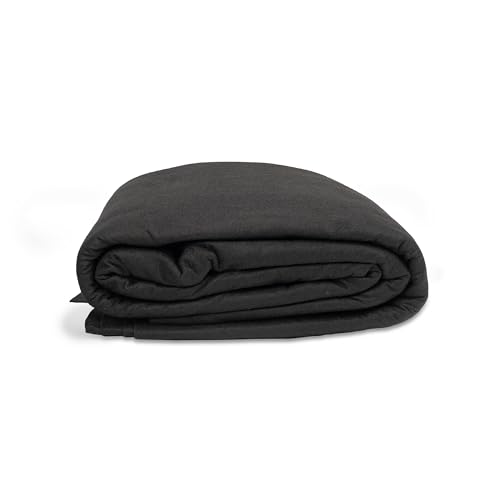
Designed to protect pond liners from sharp rocks, roots, and uneven soil, this heavy-duty underlayment extends the life of liners by providing a robust barrier. The material is approximately 30% thicker than standard underlayments, offering superior durability while remaining flexible for easier placement during installation. It also serves versatile landscaping and drainage uses, including applications beneath retaining walls and patios, making it a practical choice for multi-use outdoor projects.
REKVEN Pond Liner Underlayment
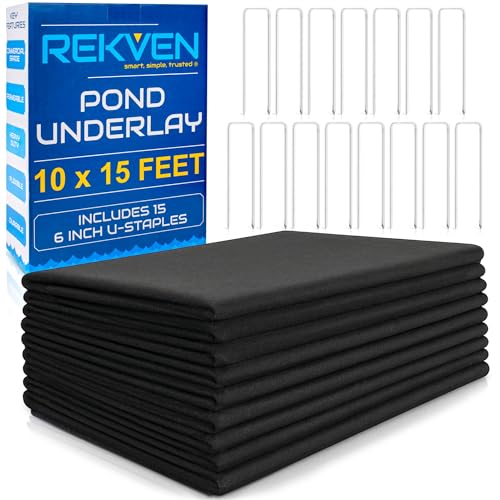
This premium pond underlayment fabric provides a durable barrier to protect liners from rocks, roots, and sharp objects. It is compatible with EPDM, HDPE, LLDPE, RPE, LDPE, and PVC liners. It enhances stability by preventing liner sagging and shifting, supports soil drainage, and maintains even water distribution. The material offers longevity with reduced maintenance needs, lowering the frequency of liner adjustments for outdoor ponds.
Beckett Non-Woven Brown Underlayment

This underlayment provides essential protection for pond liners against punctures caused by rocks and debris, as well as damage from rodents. Constructed from sturdy yet flexible polypropylene material, it is easy to place in your pond area. The 6′ x 12′ precut piece is ideal for small ponds and simplifies installation, delivering an additional layer of support for outdoor water features and enhancing overall durability.
UNDERGUARD UG20X25 Nonwoven Underlayment

With 20′ x 25′ coverage at a 6-ounce density, this geotextile underlayment is designed for pond underlayment, weed barrier, landscaping, and construction needs. It typically arrives in multiple pieces that together form the required footprint, offering flexible sizing for various pond layouts while delivering reliable protection for liners against punctures and ground movement.
Custom Pro Heavy Duty Pond Underlayment
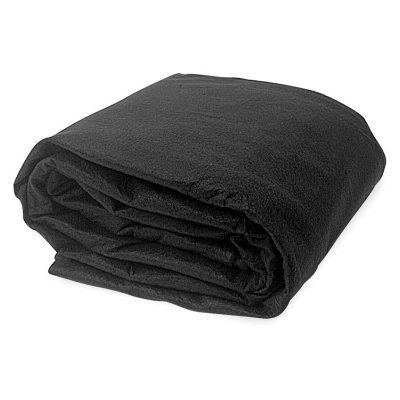
This underlayment provides 415% more puncture resistance compared to liner alone, offering substantial padding for EPDM, plastic, and PVC liners. The thick, nonwoven geotextile fabric measures 15 feet by 20 feet (300 square feet) and is designed to resist tears from sharp rocks, glass, and burrowing animals. Its heavy-duty construction makes it suitable for larger ponds and high-traffic outdoor environments.
Buying Guide: Key Purchase Considerations
When selecting pond underlayment, consider the following factors to ensure optimal performance and value:
- Puncture resistance and thickness: Thicker, denser fabrics provide stronger protection against rocks and roots, reducing liner punctures over time.
- Liner compatibility: Confirm the underlayment works with your specific liner material (EPDM, PVC, HDPE, etc.) and with any water features like waterfalls or koi ponds.
- Size and installation: Larger sheets reduce seams but may be heavier; smaller pieces can be easier to handle in tight spaces. Check whether pieces come pre-cut or need cutting on-site.
- Soil and environment: For wet or heavily rooted soils, prioritize underlayments with superior soil stabilization properties to minimize erosion and shifting.
- Durability vs. flexibility: A balance between rigid protection and flexible handling aids in smooth installation and long-term performance.
- Cost of coverage: Compare price per square foot rather than total price to gauge value, accounting for thickness and puncture resistance.
- Maintenance and longevity: Look for products designed to minimize liner adjustments and reduce future maintenance needs.
- Environmental considerations: Some fabrics are designed for long life and resistance to weathering, which is beneficial for exposed pond installations.
How to Choose For Your Pond Type
For small backyard ponds or koi ponds, a medium-thickness underlayment with proven puncture resistance is often sufficient. For large outdoor ponds, waterfalls, or installations with heavy foot traffic or burrowing animals, investing in a heavier, higher-density underlayment may yield long-term savings by reducing liner damage. If you’re uncertain about seam placement, select products that offer easy-to-cover square footage without excessive waste.
Note: This guide describes underlayment features and typical applications without referencing current price data. Always verify compatibility with your specific liner, climate, and installation method before purchasing.