Orchids reward with spectacular blooms when given the right nutrients. This guide highlights organic options that feed orchids gently, promote strong roots, and encourage vibrant foliage and repeated blooms. Each product below is chosen for reliability, safety for indoor use, and compatibility with common orchid varieties such as Phalaenopsis, Dendrobium, and more. Read on to compare formulas, application methods, and how each can fit into your orchid care routine.
| Product | Brand | Form | Key Benefit |
|---|---|---|---|
| Organic Ready to Spray Orchid Food Mist | The Grow Co | Liquid spray | Ready-to-use mist for weekly feeding |
| Espoma Organic Orchid! 8-Ounce Concentrated Plant Food | Espoma | Liquid concentrate | Organic nutrients for all orchids |
| Espoma Organic Orchid! 8-Ounce Concentrated Plant Food (Pack of 2) | Espoma | Liquid concentrate | Economical double-pack for ongoing care |
| Miracle Lab Liquid Orchid Fertilizer | Miracle Lab | Liquid concentrate | Organic, odorless formula with vermicompost |
| Orchid Plant Food (5 oz, 50+ Applications) | The Grow Co | Granular slow-release | Long-lasting nourishment for steady growth |
Across these options, you’ll see three main formats: ready-to-use liquids, concentrated liquids (requiring dilution), and slow-release granules. Each choice supports different schedules—weekly misting, biweekly to monthly feeding, or monthly granular applications—so you can tailor feeding to your orchid’s growth cycle and potting medium. The focus in all selections is organic ingredients designed to minimize root burn and sustain soil biology while promoting blooms.
Organic Ready To Spray Orchid Food Mist

The Grow Co’s Organic Ready to Spray Orchid Food Mist delivers a gentle, ready-to-use feed with a light NPK balance suitable for a range of potted orchids. The formula emphasizes organic ingredients to support root health and robust foliage, while encouraging spike growth and rebloom potential. Because it’s pre-mixed, it’s ideal for weekly or biweekly misting, delivering nutrients without measuring cups or additional preparation. It’s designed to minimize the risk of root burn through a mild feeding profile, making it a convenient option for busy growers.
Ideal use scenarios include standard bark-based orchid mixes and other common potting substrates. It’s particularly suitable when you want a simple maintenance routine that still supports consistent blooming cycles. As with any foliar feed, avoid applying in direct sun or on stressed plants, and allow leaf surfaces to dry after spraying to prevent moisture-related issues.
Espoma Organic Orchid! 8-Ounce Concentrated Plant Food

Espoma’s Organic Orchid! liquid plant food provides organic nutrients for orchids and is designed for safe use around families and pets. The label recommends diluting with water and applying every 2–4 weeks, ensuring thorough soil drenches for optimal uptake. This product emphasizes essential micronutrients that support plant health and bloom quality, making it suitable for both beginner and seasoned orchid caretakers. The concentrate format makes it easy to adjust strength for different growth stages or orchid species.
In practice, you can integrate Espoma Orchid! with your regular watering schedule. Always check the label for the exact dilution rate and avoid over-fertilization, which can stress sensitive orchid roots. Given its organic basis, it aligns well with sustainable and low-toxicity houseplant care routines.
Espoma Organic Orchid! 8-Ounce Concentrated Plant Food (Pack of 2)
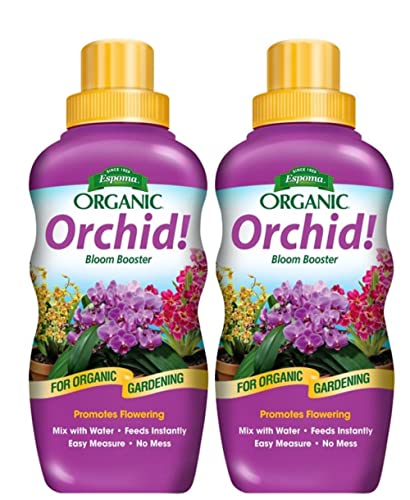
This two-pack from Espoma provides the same organic orchid food in a cost-efficient package, making it an attractive option for households with multiple orchid varieties or ongoing care needs. As with the single bottle, dilute according to the label and apply every 2–4 weeks, adjusting frequency for growth surges such as during repotting or new leaf and bloom development. The organic formulation remains a consistent theme across Espoma’s orchid line, supporting safe, predictable nutrition.
For growers managing several orchid types or seasonal bloom cycles, maintaining a steady feeding rhythm helps prevent nutrient gaps. The pack’s value is particularly clear during peak growing seasons when fertilizer demand increases, ensuring you won’t run out mid-cycle.
Miracle Lab Liquid Orchid Fertilizer

Miracle Lab’s Liquid Orchid Fertilizer features a natural, organic composition with vermicompost as a core component. The formula aims to nourish orchids with micronutrients in a form that enhances soil biology while avoiding harmful chemicals. Its odorless property is a practical benefit for indoor environments, reducing sensory distractions while feeding. The product claims compatibility with a broad range of orchid varieties and is designed to support blooming and overall plant vitality.
Usage typically involves mixing with water and applying as a spray or soil drench, depending on your orchid’s needs. Consider gradual introduction if switching from another fertilizer to prevent shock, and follow label recommendations to achieve balanced nutrition over time. This option is well-suited for growers prioritizing organic inputs and soil biodiversity.
Orchid Plant Food (5 oz, 50+ Applications)
The Grow Co’s Orchid Plant Food is a granular, slow-release option designed to feed orchids for up to six months. It provides a balanced macro and micronutrient profile, enhanced with calcium, sulfur, and magnesium to support robust growth and bloom formation. The slow-release format reduces the need for frequent applications and aligns with care routines that favor stability in substrate and root environment. It’s particularly effective in potting mixes that include bark, sphagnum moss, or perlite.
Due to the extended release, application timing is important—apply at the start of a growth cycle or after repotting, then water to activate. This product supports steady progress toward healthy leaves, strong spikes, and enduring rebloom potential, making it a practical option for hobbyists and enthusiasts who value long-lasting nourishment.
Buying Guide: Key Purchase Considerations And Comparisons
- Feeding format and schedule: Choose based on how often you want to fertilize. Ready-to-spray and liquid concentrates suit weekly to biweekly feeding, while slow-release granules suit monthly or longer intervals and require less work between applications.
- Organic composition and safety: If you prefer environmentally friendly options, look for organic ingredients and formulas free from harsh chemicals. Odorless options may be preferable for indoor use in living spaces.
- Orchid compatibility: Some formulas are marketed for all orchids, while others target specific species. For mixed collections, an all-purpose orchid food with a balanced NPK ratio is typically best.
- Application method: Foliar sprays can supplement root feeding but should be applied with care to avoid leaf burn. Soil drenches or granules feed through the root zone, which can be more consistent for certain substrates.
- Container and medium: Match fertilizer type to your orchid medium (bark, sphagnum, moss, or mix) since medium affects nutrient uptake and release rates.
- Frequency and growth stage: Increase feeding during active growth and blooming periods; scale back during dormancy or stressed conditions to avoid over-fertilization.
- Safety and maintenance: Ensure products are kept away from children and pets when possible. Always follow label dilution and application instructions to protect roots and avoid salt buildup.
- Cost and value: Pack size, dilution rate, and frequency influence long-term cost. Pack deals or multi-pack options can offer savings for households with multiple orchids.
- Environmental considerations: Choose products that minimize chemical runoff and support soil biology, especially if you use organic media or repot infrequently.
In summary, your best choice depends on how hands-on you want to be, how many orchids you care for, and whether you prioritize organic ingredients or convenience. For busy households, ready-to-use sprays and easy concentrates provide dependable routine feeding. For orchid hobbyists seeking sustained nutrition with less frequent attention, slow-release granules offer reliable bloom support over several months.