Garden fencing mesh helps safeguard fruit trees, vegetables, and flowers from birds and other animals while allowing daylight and air to reach your plants. Below are five top-rated options that balance durability, ease of use, and environmental safety. This guide highlights each product’s size, material, and intended use to help you choose the right barrier for your space.
| Product | Brand | Size / Mesh | Use |
|---|---|---|---|
| Feitore Deer Fence Netting | Feitore | 7 ft x 100 ft; 3/4″ mesh | Deer and bird protection; reusable |
| PotatoLife Plastic Mesh Fence | PotatoLife | 4 ft x 100 ft (roll) | Temporary fencing; versatile outdoor use |
| ORIVOGAS Plastic Mesh Fence | ORIVOGAS | 4 ft x 75 ft; 5/8″ square mesh | Garden netting; animal barrier |
| ESSFF Pet & Garden Safeguard | ESSFF | 15.7 in x 32.8 ft | Poultry, dogs, rabbits; snake barrier |
| KLEWEE Bird Netting | KLEWEE | 7.5 ft x 100 ft; 3/4″ mesh | Protects fruit trees, plants from birds |
These options span lightweight temporary solutions to more robust barriers. When selecting fencing, consider the size of your garden, the types of pests you encounter, installation ease, and how often you’ll reposition or reuse the netting. The products below are organized to help you compare features quickly and identify practical, material-safe options for American yards.
Feitore Deer Fence Netting For Gardens
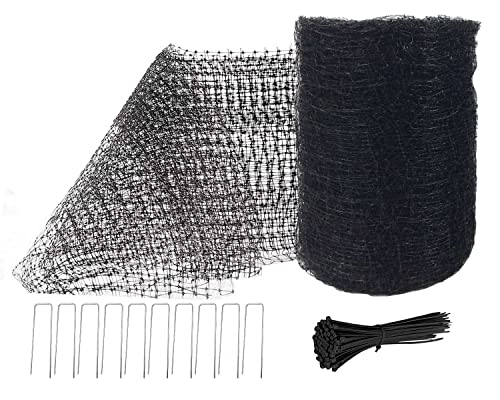
The Feitore deer netting is sized at 7 feet by 100 feet with a 3/4-inch square mesh. It is described as durable, lightweight, and reusable, built from high-quality polypropylene. Accessories include 10 installation nails and 50 cable ties for quick setup. The design aims to prevent damage from deer and birds without harming animals or restricting plant growth. It can also act as a broader bird, rabbit, or small-animal barrier and is positioned as a cost-effective protection layer for fruit trees, shrubs, and garden beds.
PotatoLife Plastic Mesh Fence Roll

This 4’x100′ roll presents versatile fencing suitable for garden boundaries, temporary barriers, poultry netting, construction safety, and more. The fence is UV-resistant and designed for reuse, promoting durability in open-air conditions. Installation is straightforward: you can nail, stake, or wrap it around posts or trees. When removed, the mesh can be rolled up for storage, making it a practical option for seasonal use or long-term, light-duty outdoor containment.
ORIVOGAS Plastic Mesh Fence Deer Fencing

ORIVOGAS offers a 4×75 ft mesh with 5/8-inch square openings and reinforced edges using ropes for secure, tangle-free installation. The 55 gsm HDPE weave provides weight and tear resistance, UV protection, and weather durability. It’s marketed as a multi-use product for gardens, animal barriers, snow fencing, and temporary outdoor enclosures. The fencing aims to deter deer, dogs, and other animals while remaining unobtrusive to plant growth and daylight penetration.
ESSFF Pet & Garden Safeguard Netting

The ESSFF netting is a black plastic fencing roll sized at 15.7 inches by 32.8 feet. It’s designed as a versatile barrier for poultry, dogs, rabbits, chickens, and snake protection. The product emphasizes weather resistance and outdoor suitability. Its compact roll format makes it practical for smaller garden patches, edge protection around beds, or temporary enclosures for poultry and small pets.
KLEWEE Bird Netting For Gardens

KLEWEE provides a 7.5 ft x 100 ft bird netting with a 3/4-inch mesh. It focuses on protecting ripening fruits, trees, and vegetables while staving off birds, deer, squirrels, and other small animals. The product is UV-stabilized and designed to be UV-resistant and reusable, claiming stronger construction than standard diamond-mesh nets. Included accessories, such as staples and zip ties, support quick installation and durability in outdoor environments.
Buying Guide
Key considerations when choosing garden mesh fencing include mesh size, material, and durability. A smaller mesh (3/4 inch or finer) provides better protection for fruit and vegetables against birds and small mammals, but it should not impede plant growth or air circulation. Materials like UV-stabilized HDPE or high-quality polypropylene offer weather resistance and longevity, reducing the need for frequent replacement. Reusability is a major factor for cost efficiency, with roll designs and easy disassembly enabling seasonal use and storage.
Installation and maintenance impact user experience. Look for fences with reinforced edges, quick-connect accessories, or ties that streamline setup. Some products include nails, staples, or cable ties to speed up installation. For larger protected areas, consider longer lengths and lower tension nets to cover more ground with fewer seams. If deer pressure is high, heavier-duty nets with stronger weave may be warranted, though you should balance this with ease of handling and soil compatibility.
Environmental and animal considerations matter. Opt for non-toxic, animal-friendly nets that won’t trap or injure wildlife. Choose options that allow sunlight and airflow to reach the plants while still creating an effective barrier. For multi-use spaces, a versatile fence that can function as a temporary barrier or snow fence increases overall value. Finally, assess storage needs; easily rollable nets save space and simplify off-season storage.
In summary, your selection should align with garden size, pest pressure, and desired degree of permanence. Lighter, reusable nets work well for seasonal berries and ornamental plantings, while reinforced, longer fences better protect fruit trees and crops in high-deer areas. By weighing mesh size, material durability, and installation practicality, gardeners can identify a fencing solution that protects yields without compromising plant health or garden aesthetics.