When steering soil erosion, especially after heavy rainfall or on slopes, choosing the right hay, straw, or erosion control product is essential. This guide highlights five practical options that leverage natural materials like straw, jute, and burlap to protect soil, retain moisture, and support seed germination. Each selection blends effectiveness with environmental friendliness, helping landscapes stabilize quickly without relying on synthetic solutions.
| Product | Material | Typical Use | Coverage/Size |
|---|---|---|---|
| Farm Plastic Supply Erosion Control Blanket – Straw | Wheat straw blanket | Slope stabilization, seed protection | 8′ x 112.5′ |
| EZ-Straw Seeding Mulch with Tackifier | Biodegradable straw | Seed protection, moisture retention | 2.5 cu ft bale (covers up to 500 sq ft) |
| Farm Plastic Supply 100% Biodegradable Erosion Control Blanket – Straw/Coconut | Straw and coconut fiber | Temporary erosion control | 8′ x 112.5′ |
| Riakrum Burlap Erosion Control Netting (2 rolls) | Burlap | Stabilizing soil, channel protection | 48″ wide, 60 ft total |
| Farm Plastic Supply Jute Erosion Control Cloth | Jute netting | Temporary erosion control on slopes | 4′ x 225′ |
These products illustrate a common theme: using natural fibers to slow water flow, trap sediment, and give seedlings a better chance to establish. Below, five products are explored in detail, with objective considerations to help you compare options for your site, climate, and vegetation goals.
Farm Plastic Supply Erosion Control Blanket – Straw (8′ x 112.5′)

This erosion control blanket uses agricultural wheat straw mechanically stitch-bonded to form a durable cover designed to protect soil from rainfall impact and stormwater sheet flow. It helps retain moisture in the soil, which supports seed germination and vegetation growth for better growing seasons. The product is designed for slope stabilization and seed protection, with a typical shipping dimension around 7.5′ x 112.5′. It is built to withstand various weather conditions, offering a balance between biodegradability and functional longevity on site.
EZ-Straw Seeding Mulch with Tackifier

Biodegradable processed straw includes a tackifier that provides a natural bonding agent to hold the mulch in place. This tackiness helps protect newly seeded areas from heavy washout and wind while remaining pet- and child-safe. The product is designed for easy application and is packaged in bags that are durable for outdoor storage. It covers large areas—up to about 500 square feet per 2.5 cubic foot bale—making it a practical option for moderate slopes or newly seeded lawns and gardens.
Farm Plastic Supply 100% Biodegradable Erosion Control Blanket – Straw/Coconut

This blanket blends 70% straw with 30% coconut fiber, bound in a biodegradable brown net. The fabric is fully biodegradable and designed for temporary erosion control, degrading after approximately 90 days. The straw and coconut composition supports soil stabilization and seed germination while minimizing long-term residue. It is a versatile option for landscapes, gardens, and construction setbacks where quick establishment is desired without synthetic byproducts.
Riakrum Burlap Erosion Control Blanket (2 rolls)
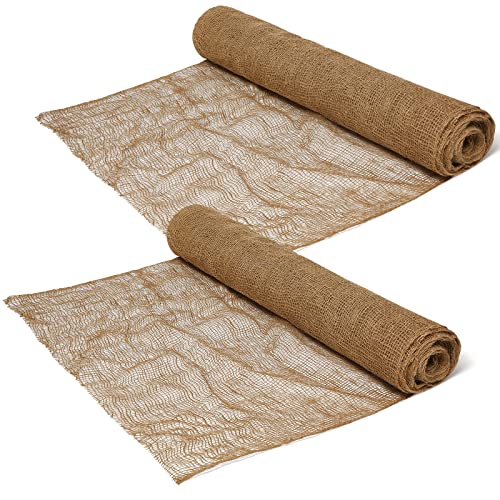
This product provides two burlap rolls—each designed to stabilize soil and reduce erosion in a variety of settings, including beach, riverbank, and hillside applications. The 48-inch width and total 60-foot length offer a large swath suitable for longer runs, while the burlap’s natural properties support soil stabilization and vegetation establishment. The large-hole burlap netting helps sediment control and soil retention with a practical, reusable design suitable for multiple seasons, depending on site conditions.
Farm Plastic Supply Jute Erosion Control Cloth

This jute erosion control matting provides 100% biodegradable protection for shallow slopes and low-flow channels. The 4′ x 225′ matting stops erosion and helps keep sediments in place while supporting seed germination by shielding seeds from runoff and weed growth. Jute’s natural properties make it an environmentally friendly option for temporary stabilization projects where early vegetation establishment is a priority.
Buying Guide
- Material and biodegradability: Choose materials like straw, jute, burlap, or coconut fiber for temporary erosion control that reduces long-term residue. Biodegradable options typically biodegrade within months to a few years, depending on climate and thickness.
- Site conditions: For slopes, steeper grades, or areas with high rainfall, consider blankets or wattles designed for rapid runoff reduction and seed protection. For long, gentle slopes, burlap or jute fabrics can provide durable stabilization.
- Seed protection and germination: If establishing vegetation, prioritize products that retain soil moisture and shield seeds from washout and wind, increasing germination success.
- Coverage and sizing: Match product dimensions to the project area. Large rolls cover more area per unit, but installation ease and seam management matter for effectiveness.
- Application ease and reuse: Some products are reusable or suited for multiple seasons, offering cost efficiency in larger projects. Others are single-use but may provide quicker installation and biodegradability.
- Environmental impact: Favor natural fibers that decompose without leaving harmful residues. Consider the balance between performance, cost, and eco-friendliness for your project goals.
- Maintenance and removal: Plan for potential removal or natural degradation. Biodegradable options simplify site cleanup, while non-biodegradable blankets may require removal after work completes.
Across these options, the chosen products emphasize moisture retention, sediment control, and seed protection—core elements of effective erosion control using hay, straw, and related natural fibers. When planning to implement these materials, align product characteristics with your soil type, slope grade, climate, and vegetation goals to optimize success and minimize environmental impact.