Maintaining a pristine lawn often starts with a well-packed surface. A hand roller helps compact soil and improve seed-to-soil contact, boosting germination and establishing a smooth, even turf. Below are five top-rated lawn rollers, each designed for push or tow use, with features tailored to American lawns, gardens, and small to medium landscapes. This guide covers what to look for and how these models compare, so you can pick the best tool for your yard.
| Product | Brand | Capacity / Fill | Notes |
|---|---|---|---|
| VEVOR Lawn Roller | VEVOR | 61 L (sand or water) | Durable steel drum; wall-mountable; easy-turn plug |
| Brinly PRC-241BH-A | Brinly | 28 gallons (270 lb) | Easy-Turn tethered plug; push/tow versatility |
| Outsunny 20-Inch | Outsunny | 16 gal water or sand | U-Handle; push/tow design; rust-resistant drum |
| Outvita Lawn Roller | Outvita | 10 gal water/sand | U-shaped handle; compact size for smaller yards |
| DURHAND 38L | DURHAND | 10 gal capacity | Rust-resistant; easy-fill drain plug |
Choosing a hand roller depends on yard size, soil type, and storage needs. The selections below cover a range from compact, portable rollers to larger capacity models suitable for more extensive lawns, gardens, and park spaces.
VEVOR Lawn Roller: 61L Capacity

The VEVOR lawn roller combines a high-capacity 61-liter drum with a straightforward, push-style handle for easy operation. Suitable for compacting soil to improve seed-to-soil contact and germination efficiency, this model allows you to fill with sand or water, delivering gravity-based stabilization. Its thickened carbon steel drum and rust-resistant coating offer durability against outdoor storage and weather exposure. A sealed bearing system helps minimize dust and water ingress, ensuring smooth rolling and low maintenance. When not in use, the roller can be hung for storage.
Key considerations: This roller is well-suited for medium-sized lawns and gardens where a balance of weight and control matters. The ability to fill with either sand or water supports both heavy and lighter compaction needs. If you plan to store in a garage or shed, its wall-hanging feature is a practical plus.
Brinly PRC-241BH-A 270 lb Roller
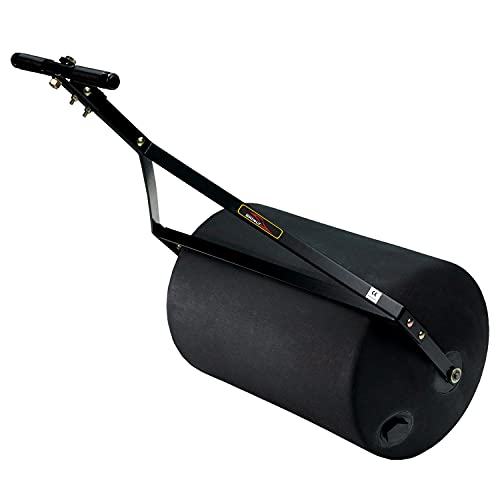
The Brinly PRC-241BH-A combines a sturdy push/pull design with a large 28-gallon (approximately 270 pounds) capacity, making it ideal for larger patches of lawn, seedbeds, and areas needing substantial compaction. The new Easy-Turn tethered plug design simplifies filling and emptying, and the plug remains attached to the drum to prevent loss. This model’s weight supports rapid leveling of heavy soils, while its construction emphasizes durability for long-term outdoor use. It’s suited to homeowners tackling frost damage, mole mounds, or loose soil that requires firm packing.
Key considerations: If you need a robust, versatile roller capable of significant soil compaction and occasional towing, Brinly’s design offers strong performance. Its tethered plug minimizes downtime during refills and is a practical feature for frequent use on larger lawns.
Outsunny 20-Inch Push/Tow Roller

Outsunny’s 20-inch roller emphasizes versatility with both push and tow options, making it suitable for smaller to mid-sized lawns. The drum is crafted from a rust-resistant steel frame with a sprayed finish, and the edges are rounded to reduce turf damage during turns. The handle design is U-shaped for ergonomic use, and the unit disassembles into three pieces for easy storage. This model balances weight and maneuverability, helping flatten newly sown areas or uneven patches caused by frost or animals.
Key considerations: This roller is a strong option for homeowners with limited storage space who still need effective soil compaction. Its lighter weight makes it easier to maneuver for smaller yards, while the tow capability expands its use for larger jobs.
Outvita Lawn Roller, 10 Gal

The Outvita lawn roller provides a compact 10-gallon capacity with a durable, powder-coated steel body designed for rust resistance. Its U-shaped handle offers a comfortable grip for pushing and pulling. The roller can be filled with water or sand to tailor the weight to your project, making it suitable for flattening uneven ground, breaking up clumps, and achieving uniform soil coverage. The smaller size makes it ideal for tight spaces, edging, and beds where a larger roller would be impractical.
Key considerations: Choose this model for smaller lawns or raised beds where precision and ease of handling trump sheer weight. Its lighter design is beneficial for shared-use households or gardeners who prefer agile control over raw heft.
DURHAND 38L Lawn Roller

The DURHAND lawn roller offers a 38-liter capacity with a steel, spray-treated drum to resist rust. It includes an easy-to-use drain plug for controlled filling and emptying with water or sand. The rounded edges and U-shaped handle design promote smooth handling and reduce turf damage during turning. This model balances durability with straightforward operation, making it a practical choice for homeowners who frequently level seedbeds or repair uneven patches after reseeding.
Key considerations: When selecting a model, consider the balance between weight capacity and ease of use. DURHAND’s design prioritizes rust resistance and simple maintenance, which is helpful for outdoor storage and frequent seasonal use.
Buying Guide: Key Purchase Considerations And Comparisons
- Capacity and weight: Higher capacity rollers provide more pressing power for compacting large areas, but heavier units can be harder to maneuver. For small to mid-sized lawns, 10–28 gallons is a practical range; for larger yards, consider 30+ gallon or 60+ liter options.
- Filling options: Most rollers fill with water or sand. Water-filled rollers are easier to fill and empty, while sand-filled drums provide more consistent weight for longer sessions. Some models offer tethered plugs for quicker, mess-free refills.
- Construction and durability: Look for powder-coated steel drums and rust-resistant finishes to withstand outdoor storage. Sealed bearing systems help reduce maintenance and extend lifespan in dusty or wet climates.
- Handle design: U-shaped handles offer ergonomic pushing and pulling. Some rollers are removable or fold into multiple pieces for compact storage, which is useful in smaller garages or sheds.
- Push vs. tow capability: Push-only rollers are simple and lighter, ideal for tight spaces. Tow-behind or tractor-compatible models are better for larger landscapes but require more space and equipment.
- Storage considerations: Wall-hanging or compact designs save space in garages and sheds, especially for homeowners with limited storage.
- Surface compatibility: Most lawn rollers are designed for level to moderately uneven turf. Very rocky or highly uneven ground may require lighter, more maneuverable models to avoid turf damage.
- Maintenance: Regularly drain and rinse to prevent rust and corrosion, especially after using in wet conditions. Inspect bearings and seals for dust or moisture intrusion.
Across these options, the best choice depends on yard size, soil condition, and storage space. Larger capacity rollers deliver more uniform compaction for expansive lawns, while compact models excel in precision work and seedbed preparation. All listed models provide a robust option for improving seed germination, leveling flattened areas, and achieving a healthier, more even lawn surface.