Protecting shrubs, fruit bushes, and ornamentals from deer and other nibbling critters is a common garden challenge. The right deer netting provides a barrier that is lightweight, reusable, and easy to install without harming wildlife. This guide highlights five top options designed for shrubs and small trees, focusing on durability, mesh size, and ease of use. Each product is evaluated for how well it shields plants while maintaining healthy growth and access to sunlight and air.
Summary of Selected Products
| Product | Size | Mesh | Key Benefit | Brand |
|---|---|---|---|---|
| Feitore Deer Fence Netting | 7 ft x 100 ft | 3/4 inch | Heavy-duty, reusable, versatile | Feitore |
| codree Deer Netting For Shrubs | 7.8 ft x 7.8 ft (3 pack) | Non-woven breathable | Secure with drawstring, good frost protection | codree |
| Interchangeable Gardeneer Netting | 7 ft x 100 ft | 3/4 inch | Made in USA, UV protected | Dalen / GARDENEER |
| KLEWEE Bird Netting | 7.5 ft x 100 ft | 3/4 inch | Strong, reusable, animal-friendly | KLEWEE |
| ORIVOGAS Deer Fence Netting | 6.5 ft x 50 ft | 5/8 inch | Reinforced edges, easy setup | ORIVOGAS |
Feitore Deer Fence Netting For Shrubs: 7×100 Feet Of Protection
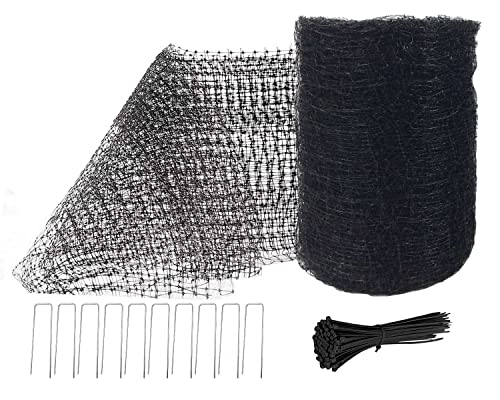
Feitore offers a practical deer netting solution designed to guard shrubs, fruit bushes, and vegetables with minimal impact on growth. The 7 feet by 100 feet roll uses a 3/4 inch square mesh that balances protection with airflow and sunlight. The material is polypropylene, lightweight yet heavy-duty, and reusable for multiple seasons. The kit includes installation nails and cable ties to simplify setup, making it a strong choice for gardeners seeking a straightforward installation process. This netting can also serve as bird, rabbit, or pond protection when needed, providing versatile shelter for various plants.
Key considerations include its size for larger shrubs and the ease of securing edges to prevent wind collapse. Its 3/4 inch mesh is designed to prevent deer and other larger pests from reaching the plants while remaining permeable enough for pollinators and sunlight. As a reusable option, it’s well-suited for long-term garden planning, especially in regions with persistent wildlife pressure. Overall, Feitore’s netting focuses on durability, ease of use, and broad application beyond deer control.
codree 3 Pcs Deer Netting For Shrubs: 7.8 X 7.8 Ft Covers

Codree’s set includes three deer netting covers sized 7.8 by 7.8 feet, designed to wrap around undershrub plants and small bushes. A drawstring feature provides a secure fit, helping the netting stay in place against wind and movement. Made from high air-permeability non-woven fabric, these covers allow sunlight to reach the plant while protecting it from deer, birds, rabbits, and other animals. The breathable design helps minimize microclimate disruption, while the multiple-pack option makes it practical for shielding several shrubs or perimeters in a yard.
Consider how well these covers fit the target shrubs and whether you prefer flexible sizing or a fixed wrap. The breathable material supports plant health in varying weather, and the drawstring closure offers straightforward installation and removal. This product is especially useful for undershrub protection where drafty weather or frost risk is a concern, as it provides a snug barrier without shading excessively or impeding growth.
Dalen Deer X Protective Netting: 7′ x 100′ For Gardens
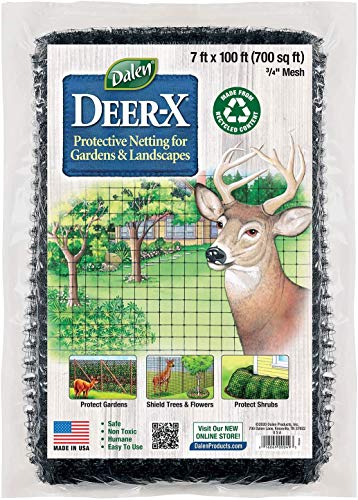
Dalen’s Deer X netting from GARDENEER combines heavy-duty construction with practical design for garden protection. The 7′ x 100′ netting uses 3/4″ polypropylene mesh and UV inhibitors to withstand sun exposure and weather over time. This option emphasizes durability while offering a relatively easy installation process, making it suitable for protecting vegetable beds, shrubs, and small trees. It aims to deter deer and similar pests without overly obstructing growth or air circulation, preserving plant health and yield potential.
Users should evaluate edge stability, the availability of installation accessories, and whether the size fits larger shrub borders. The product’s strength and UV resistance help it perform across seasons, though larger gardens may require multiple rolls or a tighter mesh to maximize protection. It’s positioned as a practical, cost-conscious fence-like barrier rather than a full enclosure, offering reliable deterrence for many garden layouts.
KLEWEE Bird Netting: 7.5 X 100 Ft For Fruits And Shrubs

KLEWEE’s garden netting kit offers a large, reusable option with 7.5 feet by 100 feet of 3/4 inch mesh. The kit includes metal U-shaped staples and zip ties to secure the netting, enhancing installation efficiency. The netting is UV-resistant and designed to resist tearing, making it suitable for protecting fruit trees, shrubs, and vegetable beds from birds and a range of mammals, including deer and squirrels. The design prioritizes ease of use and long-lasting performance, with materials chosen to be non-toxic and plant-friendly.
When considering this option, assess the level of bird pressure in your area and the need for a long-lasting, easily securable fence. The UV resistance helps preserve effectiveness across seasons, while the sturdy mesh reduces the risk of gaps that deer can exploit. For broader coverage, pairing with stakes or additional ties can further improve stability in windy locations or uneven terrain.
AlpineReach Garden Netting: 7.5 X 65 Ft For Shrubs And Trees

AlpineReach presents a robust option with 5/8 inch heavy-duty mesh designed to keep birds, deer, squirrels, and rabbits away from beds, fruit trees, and shrubs. The netting is knitted for durability and is easy to handle, unroll, and cut to size. It supports reusability and can be secured with ties or stakes. The 65-foot length is suited for moderate garden spaces, and the material’s gentle texture helps avoid damage to plant leaves while maintaining protection. It’s a good balance of strength and manageability for everyday garden use.
For gardeners seeking a sturdy, repeatable setup, this netting offers a practical approach with straightforward installation. Its maximum protection comes from the fine mesh, which limits pest access without creating a heavy, opaque barrier. Layering netting or combining it with supports can enhance protection in exposed locations or where larger pests are common.
AlpineReach Garden Netting: Black 7.5 X 65 Ft
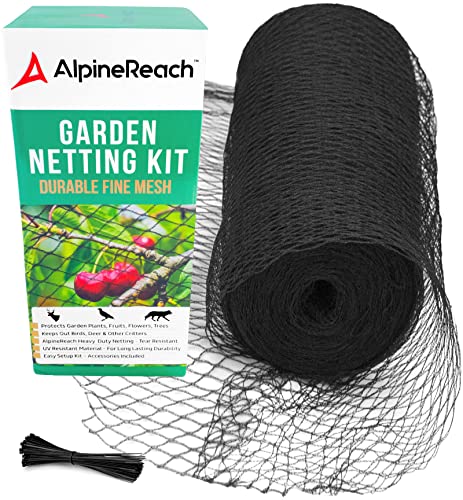
This AlpineReach option mirrors the prior design with a black finish, maintaining 7.5 by 65 feet of protection. The 5/8 inch mesh ensures strong yet breathable coverage, making it suitable for shrubs and small-scale tree protection. The kit includes zip ties for quick setup, and the material is designed to withstand outdoor conditions with UV stabilization. The black color can blend into garden scenery while still providing an effective barrier against a range of animals, including deer and birds.
When choosing, consider aesthetic preferences, visibility, and how easily you can secure edges in windy areas. The combination of strength, flexibility, and ease of installation makes this a practical all-purpose netting for many shrub and fruit setups.
ORIVOGAS Deer Fence Netting: 6.5x50Ft Reinforced 55gsm

ORIVOGAS offers a reinforced 6.5 by 50 feet deer fence netting with 5/8 inch mesh and 55gsm HDPE weave. The edges are reinforced with ropes for quick, tangle-free installation, making it a practical choice for securing to ground posts or structures. The product is marketed as a versatile barrier suitable for gardens, poultry, pools, and temporary fencing needs, with robust tear resistance and UV protection. It provides solid protection against deer and other large pests while remaining adaptable for various outdoor layouts.
Key considerations include the need for edge reinforcement in high-wind areas and how well the netting aligns with the dimensions of targeted shrubs or fruit bushes. The reinforced edges and heavier weave help ensure a longer service life in challenging environments, though it may require more initial setup to achieve a taut, secure fit.
Buying Guide: Key Purchase Considerations
- Mesh size and material: A 3/4 inch mesh generally offers strong deer protection while remaining breathable for plants. Look for UV-stabilized polypropylene or HDPE for weather resistance and longevity.
- Size and coverage: Consider the total area to protect, plant height, and whether you need single-roll solutions or multi-pack covers for multiple shrubs.
- Ease of installation: Features such as drawstrings, edge reinforcements, included nails, staples, or zip ties can greatly simplify setup and stability in windy conditions.
- Durability and reuse: Reusable nets reduce long-term costs. Prioritize tear resistance and materials that resist rust, rot, or degradation from sunlight.
- Impact on plant health: Choose breathable nets that allow sunlight, air flow, and moisture to reach plants while deterring pests. Avoid overly dense nets that may hinder growth.
- Versatility: Some nets serve multiple roles (bird, rabbit, deer, or pond protection). If you garden in mixed wildlife zones, a versatile option may be more economical.
- Aesthetic and placement: Dark or black nets blend with most landscapes, while lighter colors can be more visible. Consider the location and ease of routine checking for pests or damage.
- Installation footprint: Some nets are best suited for beds, others for perimeter shrubs or trees. Match the product to your specific garden layout to minimize gaps and escape routes for pests.
In summary, selecting the right deer netting for shrubs involves balancing protection strength, plant health, and practicality. The options above provide a range of sizes, materials, and installation features to fit most backyard configurations, from compact undershrub covers to larger shrub borders. Consider your local wildlife pressure, climate, and maintenance preferences to choose a solution that maintains plant vitality while reducing deer browsing.