The right deer fence for your garden can protect plants, shrubs, trees, and vegetables without blocking sunlight or airflow. This article highlights five durable, reusable netting solutions designed to deter deer and other small animals while staying easy to install. Each option is evaluated on material quality, mesh size, versatility, and longevity to help American gardeners choose the best fit for their yard.
Summary of chosen products
| Product | Brand | Mesh Size | Highlights |
|---|---|---|---|
| Feitore Deer Fence Netting 7 x 100 | Feitore | 3/4 inch | |
| ORIVOGAS Deer Fence Netting 6.5 x 50 ft | ORIVOGAS | 5/8 inch | |
| Jobe’s Deer Barrier Fencing 7 x 100 | Jobe’s Organics | Unknown specific mesh | |
| PotatoLife Plastic Mesh Fence 4 x 100 | PotatoLife | Not specified | |
| FEED GARDEN Deer Netting 7 x 100 | FEED GARDEN | 3/4 inch |
Feitore Deer Fence Netting, 7 x 100 Feet
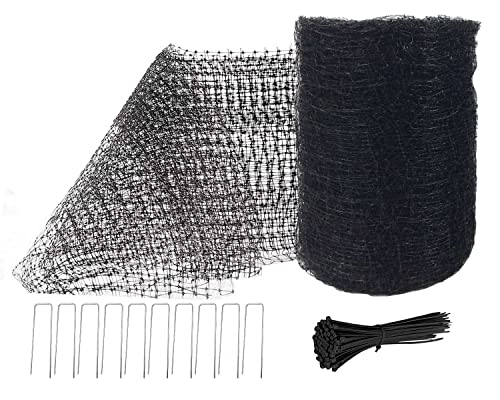
Feitore’s 7 x 100 feet deer netting uses a 3/4-inch square mesh designed to protect vegetables, berries, shrubs, and small trees. The netting is made from lightweight but tough polypropylene, offering durability without the heaviness of metal fences. Accessory packs include installation nails and cable ties for quick setup, and the mesh is reusable beyond a single season. The design balances protection with plant growth, allowing sunlight and airflow while keeping deer and similar pests at bay. This option doubles as general bird or animal barrier netting, increasing its value for multi-use gardens.
ORIVOGAS Deer Fence Netting, 6.5x50ft

ORIVOGAS offers a 6.5×50 ft deer fence with a reinforced 5/8-inch square mesh. The edges come reinforced with ropes for quick, tangle-free installation that can be anchored to the ground or posts. The fence uses a 55 gsm high-strength HDPE weave, delivering notable tear resistance and UV protection. Beyond gardens, it functions as a temporary barrier for snow, poultry, or kids in outdoor spaces. Its versatility and durability make it a strong option for homeowners needing reliable protection with lightweight handling.
Jobe’s Jobe’s LG400171 Deer Barrier Fencing
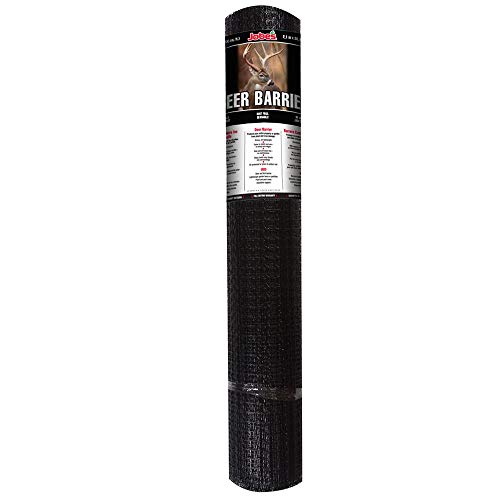
Jobe’s Organics provides a 7 ft by 100 ft deer barrier that emphasizes durability and reusability. The UV-treated fencing resists weathering over years, reducing replacement frequency. It’s designed to mark property lines and defend landscapes, crops, and landscaping features from deer and other wildlife. Lightweight construction ensures ease of handling, enabling homeowners to install and reposition fencing as plantings grow or as protective needs shift. The fence’s longevity is a key advantage for longer-term garden protection.
PotatoLife Plastic Mesh Fence 4’x100′

PotatoLife offers a versatile 4×100-foot plastic mesh fence with bundled zip ties for quick deployment. The UV-resistant plastic material is designed for weather resistance and repeated reuse, making it a practical temporary barrier for gardens, poultry enclosures, or construction zones. Installation is straightforward: staple or tie to posts, and remove when no longer needed. Its lightweight construction, plus the ability to wrap around trees or posts, makes it appealing for flexible, seasonal use in American yards.
FEED GARDEN Deer Netting 7 x 100

FEED GARDEN’s 7×100 deer netting uses a 3/4-inch mesh to shield fruits, vegetables, and ornamental plants from deer, birds, and other small animals. The kit includes installation accessories such as metal landscape staples and zip ties, aiding a secure setup. The netting is UV-protected and designed to withstand outdoor conditions, maintaining its protective integrity over time. Its focus on a wide, reusable design makes it suitable for extended gardening seasons and larger plots needing dependable coverage.
Dalen Deer X Protective Netting, 7′ x 100′
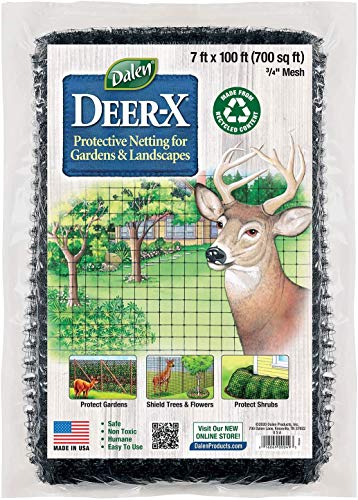
GARDENEER’s Deer X Protective Netting provides a 7′ x 100′ barrier with a 3/4-inch polypropylene mesh and UV inhibitors. Made in the USA, it emphasizes durability and weather resistance, offering an economical fencing alternative to metal or rigid plastic options. Available in multiple sizes, this netting aims to deliver dependable deer and pest protection while minimizing impact on plant growth. The combination of robust material and practical sizing makes it a staple choice for many gardens seeking long-term coverage.
AMERLIFE U-Shaped Raised Garden Bed With Deer Proof Fence

AMERLIFE combines a raised garden bed with a built-in deer-proof fence to offer a ready-made protective solution. The design supports optimal drainage and root growth, while the fenced perimeter helps deter deer and other animals from accessing plants. The unit includes a lockable door for secure, private access and adds structural value to any backyard garden. This integrated approach can reduce the need for separate fencing and simplifies setup for small to medium plots.
Buying Guide: Key Considerations for Selecting a Deer Fence Netting
- Mesh size and animal size compatibility: Smaller mesh protects from deer, rabbits, and birds, but too fine a mesh may restrict airflow and light. Most gardeners prefer 3/4 inch or 5/8 inch mesh to balance protection and plant health.
- Material and durability: UV-stabilized polyethylene or polypropylene nets tend to outlast metal or wooden barriers, resisting rust and rot while remaining lightweight.
- Reuse and lifespan: Reusable nets save money over time. Look for products advertised as durable, weather-resistant, and UV-protected for extended seasons.
- Installation convenience: Reinforced edges, ropes, staples, and cable ties reduce setup time and improve tension. Consider whether the fence can be nailed, staked, or tied to posts.
- Versatility: Some nettings double as bird protection, pool barriers, or temporary fences. If you need multi-use capabilities, prioritize versatile designs with robust support.
- Size and coverage: Compute garden area to determine required length and width. A longer roll offers flexibility for different bed layouts and future expansion.
- Maintenance: Check if the fence can be rolled up for storage and how easily it can be cleaned or repaired after weather events.
- Safety for plants and wildlife: Opt for designs that minimize harm to wildlife and avoid overly aggressive barriers that could trap animals or hinder pollinators.
- Local climate considerations: In regions with heavy snowfall or wind, ensure the netting and supports can withstand wind loads and snow weight.
Choosing the right deer fence netting involves balancing protection strength, ease of use, and longevity. For larger plots, longer runs with reinforced edges offer reliable coverage, while smaller, lightweight nets can protect individual beds or shrubs with lower installation effort. Where aesthetic and seamless integration matter, raised beds with built-in fences provide a compact, all-in-one solution. The products above cover a spectrum of needs—from heavy-duty, long-term barriers to flexible, temporary fencing that adapts to seasonal planting cycles.