Transform dull garden spaces into decorative walkways with durable, reusable cement molds. The following hand-picked options are designed for DIY enthusiasts who want to craft personalized garden paths, stepping stones, and edging features. Each pick emphasizes ease of use, material quality, and reliable results for American gardens of all sizes.
| Product | Key Benefit | Material | Size (approx.) |
|---|---|---|---|
| HapWay Turtle Shape Stepping Stone Mold | Creative turtle pathway accents | PP resin | Varies by mold |
| Skelang Hexagon Pavement Mold | Reusable geometric pavers | ABS plastic | 11.4″ × 11″ × 1.7″ |
| Tree Stump Silicone Mold | Two-tone planters, small resin crafts | Silicone | 3.74″ square |
| GRETJOB 6 Pcs Round Stepping Stone Molds | Versatile round stepping stones | Plastic | 9.6″, 11″, 12.6″ |
| BETONEX 6 Pcs Flagstone Molds | Decorative flagstone pathway tiles | ABS plastic | Various textures with 0.37 m² area |
These selections emphasize reuse, simple demolding, and compatibility with standard cement mixes. They cater to a range of garden styles—from whimsical routes to clean, modern borders. Each option is designed to minimize effort while maximizing the visual impact of your outdoor spaces.
With the right mold, homeowners can plan a cohesive pathway system that suits their climate and soil. The following sections explore five top picks, highlighting how each model supports DIY success, durability, and design flexibility for American gardens.
HapWay Turtle Shape Stepping Stone Mold

The HapWay turtle mold is designed for garden lovers seeking a personalized decorative touch. It enables easy DIY pathway creation with a user-friendly PP resin mold that resists sticking and cleans quickly. The design invites you to embed a playful turtle motif into your garden path, offering a simple way to add artistic character to lawns, borders, and patios. The mold supports typical cement or concrete mixtures and is suitable for first-time projects as well as seasoned DIY tasks.
Skelang Hexagon Pavement Mold

This hexagon mold offers a geometric option for garden paths and patios. Made from ABS plastic, it’s durable and designed for repeated use. The mold measures 11.4 by 11 inches with a 1.7-inch height, providing a sizable tile that can help create cohesive patterns across walkways. It’s simple to apply with cement or concrete and demolds quickly, making it a practical choice for DIY landscapers seeking a distinctive, modular look.
Tree Stump Silicone Mold Concrete Planter

Anktily’s tree stump silicone mold enables compact resin crafts and planters. While primarily a silicone mold, it supports cement-based fillings for small garden accents such as succulent planters, pen holders, or storage containers. The mold produces finished pieces roughly 2.56 by 2.56 inches, making it ideal for decorative containers, desk accents, or charming garden decor. Users should reserve silicone molds for lighter fills or combined projects with cement to ensure best results.
GRETJOB 6 Pcs Round Stepping Stone Molds

This round stepping stone set includes six molds in three sizes: 9.6″, 11″, and 12.6″. Constructed from sturdy plastic, the molds are designed for repeated use and straightforward demolding. They’re well-suited for creating a mix-and-match garden path, border, or entryway with consistent stone shapes. The kit provides value through versatility, enabling homeowners to tailor a custom layout that fits existing landscaping and hardscape plans.
BETONEX 6 Pcs Flagstone Molds
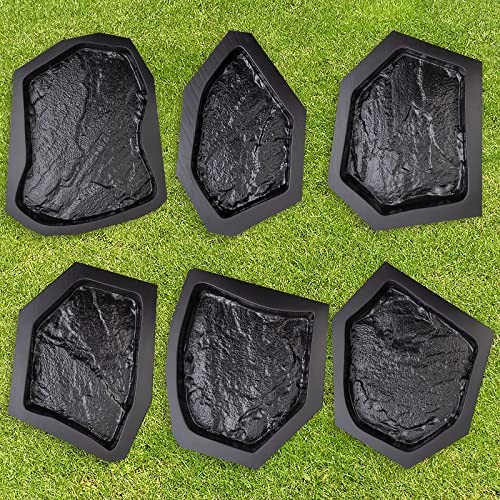
BETONEX offers a set of six flagstone textures in ABS plastic, designed for concrete edging, walkways, and garden borders. Each mold is reusable and supports numerous tiles—more than 50 per set—allowing for extensive path or border projects. The diverse textures enable interesting, natural-looking patterns across pathways and edging. The molds are straightforward to use, with clear DIY instructions and no specialized equipment required for typical home use.
Buying Guide
Choosing the right cement mold for a garden project depends on several factors. Durability matters, particularly if you expect heavy foot traffic or seasonal freeze–thaw cycles. ABS and high-quality plastic molds resist cracking and warping, while silicone molds excel for small, detailed pieces. Size and pattern density influence the visual rhythm of pathways—larger tiles create a bold look; smaller tiles offer a classic, cottage-style feel. Consider the complexity of the pattern you want; modular designs like hexagons and flagstones can be combined to form bespoke layouts.
Ease of use is critical for DIY success. Look for molds with simple demolding, minimal sticking, and compatibility with standard cement mixes. Reusability and cleaning requirements affect long-term value. Some molds are better suited for decorative accents, planters, or smaller crafts, while others are designed for full-scale pathways. Material choice also plays a role in climate resilience; plastic molds handle US weather extremes with proper curing and sealant care.
Design flexibility is another important consideration. Geometric shapes—hexagons, circles, and rectangles—offer modern or rustic aesthetics, while novelty shapes like turtles or tree stumps add whimsy. If you plan a cohesive appearance, group tiles with similar textures or align multiple texture options to create visual interest. For edging and borders, consider dedicated edging molds that provide a clean separation between lawn and concrete paths.
Maintenance and longevity should be weighed against budget and time. Reusable molds reduce long-term costs, but some molds require more careful demolding to preserve texture details. When finishing your project, use sealants appropriate for outdoor exposure to protect color and texture from UV light, moisture, and wear. Finally, ensure project sizing aligns with your available space and drainage considerations to prevent water pooling and soil erosion.