Fruit trees are magnets for birds and other garden pests, but protecting your yield should be practical and safe for wildlife. This guide reviews top bird netting solutions designed to shield fruit trees and deliver reliable, long-term protection. Each option balances coverage, durability, and ease of use for American gardens and small orchards.
Summary of chosen products (at a glance):
| Product | Brand | Approx. Coverage | Key Benefit |
|---|---|---|---|
| Feitore Deer Fence Netting, 7 x 100 Feet | Feitore | 7′ x 100′ | Strong, reusable; versatile for birds, deer, and other small animals |
| 10x10Ft Large Tree Netting for Fruit Trees | LHongL | 10′ x 10′ | Dual-side zippers for easy harvesting |
| Heavy Duty Bird Netting for Chicken Coop, 50×50 ft | Threekia | 50′ x 50′ | HDPE, sturdy, predator-proof and reusable |
| Fruit Tree Netting with 2-Way Zipper & Drawstring | Garden Tailor | 8′ x 6′ (unfolded) | Two-way zipper for top/side access |
| OGORI 25′ x 25′ Bird Netting | OGORI | 25′ x 25′ | Durable 3/4″ mesh; multi-purpose |
Feitore Deer Fence Netting for Fruits and Vegetables
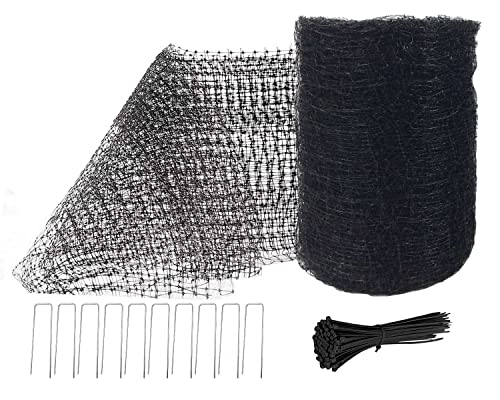
Feitore’s deer fence netting offers a robust, reusable barrier that doubles as a bird netting solution. Measuring 7 feet by 100 feet, this polypropylene mesh features a 3/4 inch square opening designed to deter birds and small animals without hindering plant growth. The kit includes installation nails and cable ties for quick setup, making it suitable for orchards, berry patches, and garden beds. The lightweight yet heavy-duty construction resists tearing, rust, and rot, providing multiple seasons of protection. While marketed for deer, the netting’s size and mesh design also deliver effective bird control in variable climates across American backyards.
Usage notes: Ideal for mid- to large-scale plantings, it can be draped over structures or laid flat to protect trees, shrubs, and ground crops. It’s a versatile option if you want a single net that can adapt to cover varied crops and configurations. It is important to check the mesh openness for smaller birds and to ensure that the netting does not contact growing fruit as it expands with tension.
10x10Ft Large Tree Netting for Fruit Trees
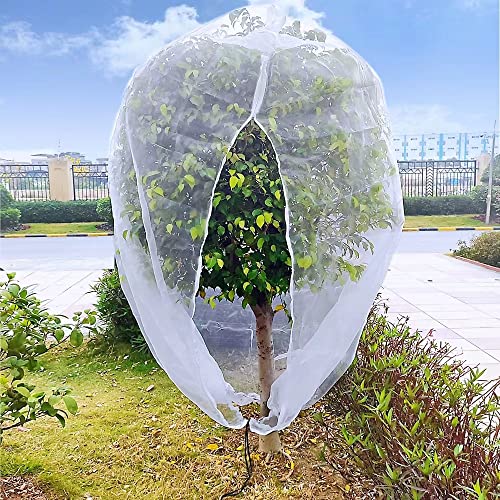
LHongL’s 10×10-foot tree netting is designed to cover a range of fruit trees, including peach, cherry, fig, and blueberry bushes. With an unfolded diameter near 75 inches, it spans large canopies while leaving room for growth. The net features zippers on both sides, enabling easy access to ripening fruit without removing the entire cover. Constructed for durability, the material withstands sun exposure and rain, and its drawstring closure helps secure edges against wind and birds while maintaining airflow and light transmission to the canopy. This design can simplify harvests in dense orchards and in backyards with multiple trees.
Pros include long-term outdoor performance and convenient fruit-picking access. Consider the installation approach to ensure the zipper mechanisms stay functional over time and to avoid gaps where birds could slip in during windy conditions.
Threekia Heavy Duty Bird Netting for Chicken Coop

Threekia offers a heavy-duty 50×50 foot HDPE bird netting, designed for poultry runs, coops, and garden protection. The 0.8mm HDPE fibers provide strong resistance to weather and UV exposure, aiming for 8–12 years of use. The mesh is 1 inch, which can stop larger birds and many small animals while allowing light, air, and water penetration to protect plant health. The netting’s durability makes it a practical choice for larger backyards, farms, or orchard rows where a robust, reusable barrier is essential. It’s especially suitable where hawk or owl predation is a concern for poultry as well as fruit trees nearby.
Maintenance tips: Check for any wind-driven abrasion points and ensure the netting is tensioned to avoid sagging that can trap birds. HDPE’s longevity depends on sun exposure, so periodic cleaning and inspection promote multi-season usefulness.
Garden Tailor Fruit Tree Netting with 2-Way Zipper

Garden Tailor’s reusable fruit tree netting combines a practical size with a thoughtful access design. The 6.4-foot by 6.4-foot net, when fully opened, forms a robust 8′ x 6′ barrier. A two-way zipper along the top and sides allows picking fruit from the top or the sides without removing the entire cover, saving time during peak harvest periods. The net is UV-resistant and lightweight, with high breathability and about 5 years of outdoor performance. It provides a balanced solution for protecting blueberries, apples, tomatoes, and other fruiting plants while maintaining essential light and airflow for tree health.
Consider this option if you want a mostly hands-off approach to harvesting in small-to-medium orchards or garden rows where frequent access to fruit is required without compromising protection.
OGORI 25′ x 25′ Bird Netting

OGORI’s 25 by 25-foot bird netting features a 3/4 inch mesh opening designed to block birds, squirrels, deer, and other intruders while allowing sunlight and moisture to reach plants. The netting is described as durable and multi-functional, suitable for fruit trees, vegetables, and berries. Its versatile size helps cover individual trees or moderate orchard blocks, making it a practical pick for homeowners with diverse crops. Installation safety and securing the edges are essential to prevent gaps and ensure consistent protection during windier seasons.
Buying Guide: How To Choose The Right Bird Netting For Your Trees
- Mesh Size: Smaller mesh (around 1/2 inch to 3/4 inch) better stops small birds and insects without overly restricting airflow. For larger birds, a coarser mesh may be sufficient but ensure it still protects fruit from pecking and peeking.
- Coverage Area: Measure your trees or rows to determine whether a 10×10 ft, 25×25 ft, or large 50×50 ft netting suits your orchard. Larger nets are efficient for big trees and rows, but smaller nets can be easier to manage and transport.
- Durability and Material: HDPE and polypropylene nets offer durability and UV resistance. Look for UV stabilizers for outdoor longevity, and consider wind-resistance features to minimize sagging and damage in storms.
- Access and Harvesting: Zippers and drawstrings simplify fruit picking and pruning. Dual-sided zippers or top-and-side access reduce the need to remove the net entirely during harvests.
- Reusability and Maintenance: Reusable nets save money over time and reduce waste. Check for tangling resistance and ensure nets can be repaired if damaged rather than discarded.
- Impact on Wildlife: nets should deter pests without harming birds. Fine mesh and appropriate installation help maintain a humane approach to garden protection.
- Installation Effort: Some nets require staking or frame setup; others can be draped over branches. Consider your garden layout, available hardware, and climate when choosing.
- Cost vs. Benefit: While premium nets may have a higher upfront cost, they often offer longer service life and lower replacement frequency, particularly in windy regions or with large canopies.
Practical tips for best results
- Secure all edges firmly to prevent lift during wind events; use stakes, nails, or weights as needed.
- Inspect nets seasonally for tears and rinse off any debris or algae to extend life.
- Combine nets with natural deterrents or seasonal net adjustments to maximize protection during peak fruiting times.
- Store nets clean and dry when not in use to prevent mold and material fatigue.