Shade can challenge turf growth, but zoysia grass and shade-tolerant blends offer resilient options for yard areas with limited sun. This guide highlights five Amazon options that suit shaded or partially shaded lawns, balancing establishment speed, drought resistance, and maintenance. Each section explains why the seed or seed-and-mulch blends work well in shade, plus practical planting tips. A concise Buying Guide follows to help you compare options and match them to your climate and soil.
Summary of Selected Products:
| Product | Brand | Type | Shade Suitability | Highlights |
|---|---|---|---|---|
| Scotts EZ Seed Patch & Repair Zoysia Grass | Scotts | Seed, Mulch, Fertilizer | Partial shade | All-in-one patch repair with tackifier and protectant |
| Yunaksea 5000 Zoysia Grass Seeds | Yunaksea | Grass Seeds | Sun and shade | Easy to grow with low maintenance |
| Pennington Smart Seed Dense Shade Grass Mix | Pennington | Seed Mix | Dense shade | Tall Fescue and Fine Fescue for shade tolerance |
| Jonathan Green Black Beauty Dense Shade Seed (1 lb) | Jonathan Green | Seed | Dense shade | Shade-tolerant with dark green color |
| X-Seed Ultra Premium Shady Lawn Seed Blend | X-Seed | Seed Blend | Heavy shade | All-in-one seed and fertilizer option |
Scotts EZ Seed Patch & Repair Zoysia Grass

Scotts EZ Seed Patch & Repair Zoysia Grass combines seed, mulch, controlled-release fertilizer, a tackifier, and a protective layer to help seedlings establish in challenging spots. It is specifically designed to repair bare patches and works in heat and drought conditions when cared for properly. The zoysia component makes it suitable for shaded-to-partially shaded lawns where turf density matters as daylight diminishes.
Yunaksea 5000 Zoysia Grass Seeds
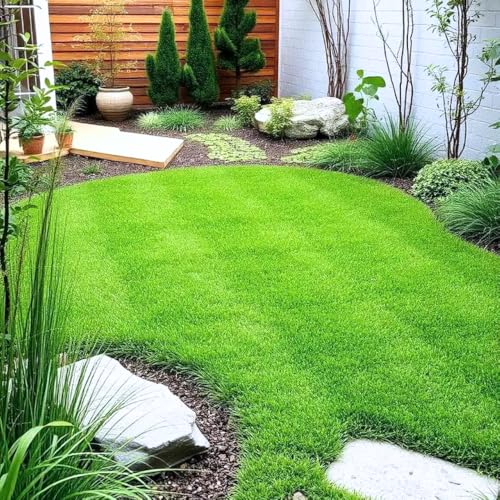
This seed pack focuses on zoysia varieties suited for lawns that receive mixed sun. It emphasizes easy cultivation and low maintenance after establishment. While not exclusively a shade-forced product, zoysia’s tolerance to heat and drought can complement shaded areas by delivering a dense, resilient lawn when light is moderate to low and soil conditions are favorable.
Pennington Smart Seed Dense Shade Grass Mix
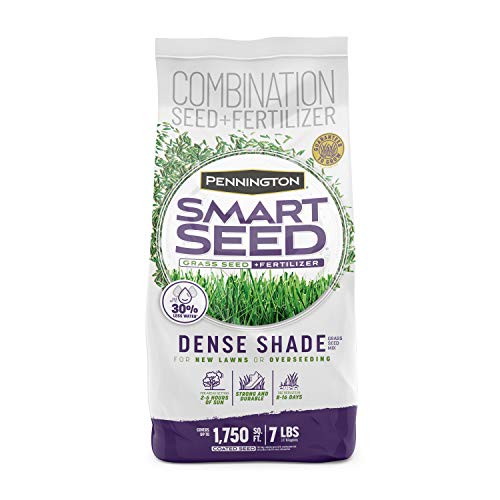
This mix blends Tall Fescue and Fine Fescue to thrive in shady conditions. It is designed to germinate reliably in areas with limited sunlight and includes enough fertilizer to support early growth. While not zoysia-specific, its shade tolerance makes it a practical alternative for dense shade patches where zoysia seed alone may struggle to establish.
Jonathan Green Black Beauty Dense Shade Seed – 1 lb

Jonathan Green’s dense shade blend is formulated for areas with limited sun, delivering a dark-green, well-established turf. The mix targets shade tolerance while aiming for rapid germination and quick establishment, aided by the presence of endophytes that can improve resilience against pests and disease in shady spots.
Jonathan Green Black Beauty Dense Shade Seed – 3 lb

This larger bag extends shade-tolerant seed coverage, offering a similar shade-focused profile as the 1 lb variant. It emphasizes a dark-green color and rapid germination within a two to three-week window, making it suitable for restoring and enriching lawns shaded by trees or structures.
Pennington Annual Ryegrass Seed 10 lb

Annual ryegrass is known for quick germination and winter color in cooler climates. This option can help maintain a green lawn in northern shade-dominated areas, especially when overseeded during cooler months. It is not a zoysia seed but complements shade strategies in regions with seasonal sun variability.
Scotts EZ Seed Patch & Repair Sun and Shade
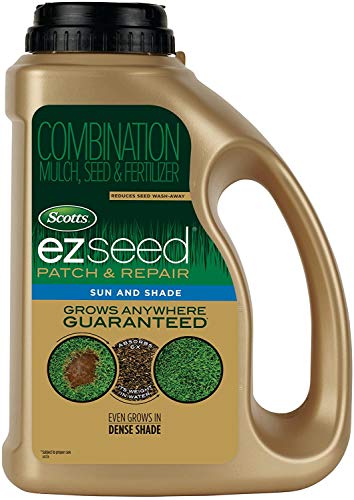
Scotts EZ Seed Sun and Shade extends the patch-and-repair concept to varied light conditions. It contains seed, mulch, fertilizer, and a tackifier for stability in sun-to-shade transition zones. This makes it a flexible option for patching diverse shaded spots while maintaining turf density.
X-Seed Ultra Premium Shady Lawn Seed Blend

X-Seed Shady Lawn combines multiple shade-tolerant grasses to form a dense lawn in heavy shade. The blend includes creeping red fescue, Chewings fescue, perennial ryegrass, and Kentucky bluegrass. It’s marketed as water- and fertilizer-efficient, suitable for soils that receive little sunlight, and works well with seed-and-fertilizer combinations for easier establishment.
Buying Guide: Key Considerations For Shade-Tolerant Lawns
- Shade type and intensity: Determine whether your lawn is mostly dense shade, partial shade, or filtered sun. Some blends tolerate deep shade but may grow more slowly or require more moisture management.
- Grass type compatibility: Zoysia is heat- and drought-tolerant but generally prefers full sun. In shaded zones, you may prioritize shade-tolerant fescues or ryegrasses, or use a zoysia seed with supplementary shade-tolerant blends for balanced coverage.
- Soil preparation: Test soil pH and amend as needed. Most shade-tolerant grasses prefer well-drained soil with moderate fertility. A starter fertilizer can help early establishment.
- Seed-to-soil contact: Ensure good seed-to-soil contact for germination. For patch repairs, use mulched or tackified products to minimize seed washout in sloped or windy areas.
- Climate suitability: Consider regional climate—cool-season blends germinate best in spring and fall, while warm-season blends like some zoysia types may need summer warmth for optimal growth.
- Maintenance expectations: Shade-tolerant lawns may require regular irrigation, reduced mowing height, and periodic overseeding to maintain density in low-light zones.
- Longevity and upkeep: Some mixes establish quickly but may thin out during extreme shade. Plan for reseeding and compatible overseeding cycles to sustain color and density.
- Cost vs. coverage: Compare bag sizes, germination rates, and coverage per bag to estimate long-term lawn maintenance costs.
- Environmental considerations: Choose products with minimal chemical dependency when possible and prioritize drought-resistant varieties to reduce water use.
All selections above provide shade-oriented options. For best results, match your climate, soil, and shade patterns to a primary grass type (preferably a shade-tolerant blend) and supplement with zoysia seedlings in patch-prone areas if heat tolerance and density are priorities.