If you’re turning kitchen scraps into nutrient-rich compost, choosing the right worms matters. The following selections are among the most popular for home vermicomposting, offering strong feeding efficiency, robust worm health, and ease of use in a variety of bin setups. This guide highlights five top options, detailing key features and what makes them suitable for different bins and gardening needs.
Summary of Selected Products
| Product | Brand | Main Benefit | Bin Type Suitability |
|---|---|---|---|
| Uncle Jim’s Worm Farm 100 Count Red Wiggler | Uncle Jim’s Worm Farm | Excellent digestion of food scraps; nutrient-rich castings | Indoor/Outdoor, standard bins |
| The Original Vermihut Plus 5 – Tray Worm Composter | VermiHut | Multitray design with airflow improvements | Small to medium spaces |
| Uncle Jim’s Worm Farm 100 Count Super Red European Nightcrawlers | Uncle Jim’s Worm Farm | 2–5x larger worms for faster processing | Garden soil, larger bins |
| Hungry Bin Worm Farm | HUNGRY BIN | Continuous flow design; easy harvest | Moderate to large bins |
| Urban Worm Bag Worm Composting Bin Version 2 | Urban Worm | Top-feed, bottom-harvest with removable bottom | Soft-sided bins, flexible setups |
Uncle Jim’s Red Wiggler Starter Worm Pack

The Red Wiggler worms in this starter pack are harvested from established worm beds, offering diversity across worm species. This diversity enables processing across all compost layers for faster, richer results. The worms convert food scraps into nutritious worm castings, benefiting soil health and plant growth. Castings are high in essential nutrients, supporting robust root systems and healthier gardens.
The Original Vermihut Plus 5 Tray Worm Composter

This bin is designed for efficient vermicomposting with a standard five-tray setup and an airflow-focused M-board to boost aeration and improve overall composting efficiency. It also includes a V-board and coconut fiber within the lid for odor control and moisture management, making it suitable for both indoor and outdoor use.
Uncle Jim’s Super Red Nightcrawlers Starter Pack

European Nightcrawlers are larger than standard red wigglers, often producing richer worm castings more quickly due to their size and feeding efficiency. These worms work across multiple soil layers, aiding aeration and nutrient distribution in garden soils and larger compost systems. They’re well-suited for users seeking faster decomposition in robust bins or garden beds.
Hungry Bin Continuous-Flow Worm Farm

The Hungry Bin uses a continuous-flow design that allows adding scraps at the top while harvesting finished castings from the bottom, minimizing mess and heavy lifting. It processes up to about 4 pounds of waste per day and is designed to fit homes, schools, and small farms. The system supports the creation of high-quality worm castings and worm tea for soil health.
Urban Worm Bag Version 2
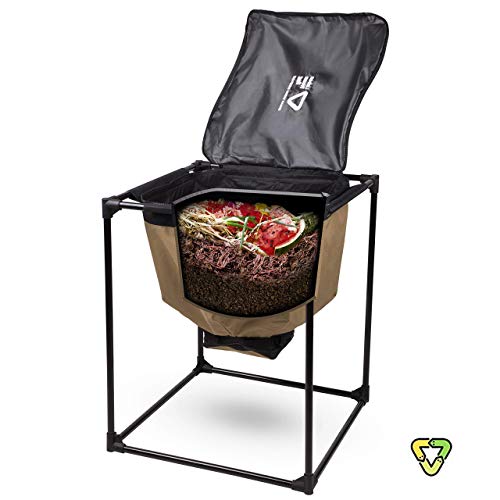
This version features a fully removable bottom without a zipper, simplifying maintenance and worm harvesting. It supports top feeding and bottom castings collection, with a durable 900D Oxford fabric that helps control moisture and airflow. It’s a flexible option for various bin setups and space constraints.
Blütezeit Five-Tray Worm Bin

The Blütezeit 5-tray bin speeds up vermicomposting with rapid waste breakdown while offering easy tray stacking, durable construction, and a user-friendly setup. Ventilation is enhanced with air holes in each tray to maintain odor control and a balanced composting environment, producing high-quality castings for gardeners looking to boost soil nutrition.
Buying Guide: Key Considerations For Choosing Worms And Bins
- Worm type and size: Red Wigglers (Eisenia fetida) are common for kitchen scraps and compact bins due to their appetite and tolerance of compost moisture. Nightcrawlers tend to be larger and can process waste faster in bigger systems, while European Nightcrawlers are favored for soil aeration benefits in outdoor gardens.
- Bin design and scale: For beginners, simple multi-tray bins or a basic continuous-flow system reduce maintenance. For schools or small farms, larger or modular bins may be preferable to handle higher waste volumes.
- Ventilation and moisture control: Proper airflow and moisture balance prevent odors and ensure healthy worm activity. Look for lids with vent features, moisture controls, and breathable bedding materials.
- Ease of harvest: Some designs allow easy bottom harvesting or continuous-flow extraction, reducing manual labor and keeping worms intact during castings removal.
- Maintenance and durability: Durable fabrics or plastics, easy-to-clean trays, and modular components help ensure long-term use and adaptability to different spaces.
- Cost vs. value: Consider starter worm quality, potential feedstock flexibility, bin capacity, and the ease of upgrading or expanding the system as you grow your vermicomposting needs.
- Indoor vs. outdoor suitability: Indoor setups require stronger odor control and compact designs, while outdoor systems can accommodate larger volumes and may tolerate more environmental exposure.
- Waste processing goals: If your aim is rapid composting for a vegetable garden, prioritize worms with high feeding efficiency and castings richness; if soil aeration for lawns is primary, larger worms and soil-focused species can be advantageous.
These considerations help compare products across bins and worm types, enabling a practical choice tailored to your space, waste output, and gardening goals. Always follow product-specific instructions for bedding, feeding, and bin maintenance to optimize worm health and compost quality.