The best weed cutters garden tools help you remove tall grass and stubborn weeds with minimal effort and back strain. This guide highlights five proven options, explaining who each tool is best for, where it shines, and any limits to consider. Whether you want a long-handled blade for ditch work, a precision weeder for lawns, or a versatile Sickle tool for vines, you’ll find clear guidance to match your yard and workload.
| Product | Best For | Key Benefit | Limitation |
|---|---|---|---|
| Walensee Grass Whip | Large areas, tall weeds | Double-edged 8-inch blade for fast cutting | Requires swing motion |
| WORKPRO Dandelion Weeder | Weed roots in tight beds | Two-pronged stainless fork for roots | Best for smaller beds |
| Garden Weasel WeedPopper | Stand-up weeding | Step & Twist action to extract weeds | May require practice to master |
| Failenfeivp Sickle Weeding Tool | Vines and thick undergrowth | Double blade head with extendable length | Heavier and longer setup |
| EUIJOIP Edger Tool | Edging and borders | Adjustable length, rust-resistant blade | Primarily for edging, not deep root cutting |
Buyer type snapshot:
– For quick, broad cuts in fields or ditches, pick the Walensee grass whip or the Failenfeivp Sickle for multi-tasking.
– For precise root removal in lawns, choose the WORKPRO weeder.
– For stand-up weeding with minimal bending in dense beds, Garden Weasel WeedPopper is ideal.
– For clean lawn borders and edging, the EUIJOIP edger provides compact, adjustable edge-work.
Walensee Grass Whip With Double-Edged Blade
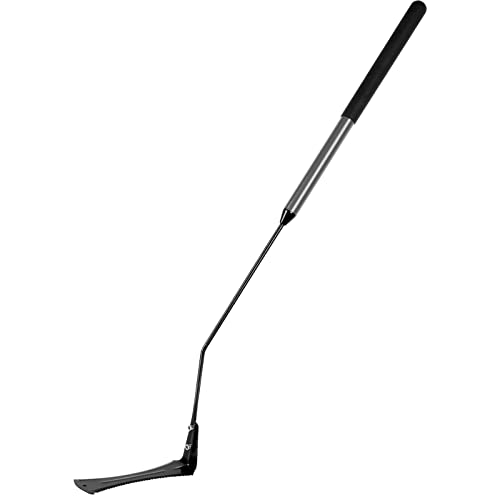
Best for: Yard areas with tall grass and overgrown weeds, including fields and ditches. The 22-inch handle reduces bending, making it comfortable for extended use.
- Double-Edged Serrated Blade: An 8-inch blade concentrates cutting power on tall growth, with serrations that boost efficiency on thick stems.
- T-Style Long Handle: Soft rubber grip provides comfort during long sessions and helps reduce fatigue.
- Durable Material: Stainless steel blade resists rust, and the sharp edge remains effective in wet conditions.
Why chosen: This tool combines a robust blade with a long, comfortable grip, enabling efficient cutting of dense growth without frequent stops. The dual-edge design supports both left- and right-handed users, making it a flexible choice for partners or roommates with different grips. Limitations: It is a heavy, single-purpose cutter best used with steady, deliberate swings rather than quick, light passes.
WORKPRO 11.5″ Dandelion Weeder

Best for: Precise weed removal from garden beds and lawns where roots need to be pulled without disturbing nearby plants.
- Two-Pronged Stainless Steel Fork: A polished, rust-resistant design that penetrates soil to capture weed roots.
- Ergonomic Soft-Grip Handle: Reduces hand fatigue and improves control during pulling.
- Durability: Made from high-hardness stainless steel, designed to resist bending or breaking.
Why chosen: The WORKPRO weeder excels at root removal in tight spaces, making it ideal for edging and bed maintenance. Limitations: It works best with shallow-rooted weeds; stubborn, deeply entrenched weeds may require additional tools.
Garden Weasel WeedPopper Step & Twist

Best for: Stand-up weed removal in lawn and garden areas with minimal bending.
- STEP & TWIST Mechanics: Position tines, step, twist, and eject the weed plug with a thumb release.
- Professional Grade: Built with quality materials designed for repeated use without breaking down.
- Durability: Designed for decades of reliable service with robust construction.
Why chosen: This tool reduces back strain by staying upright during use and eliminates weeds without chemicals. Limitations: Mastery requires practice to obtain consistent weed removal without breaking soil structure.
Failenfeivp Sickle Weeding Tool

Best for: Clearing vines and thick growth, with multiple tasks in one tool.
- Double-Head Design: One curved blade for weeds, shrubs, and reeds; a flat blade for cutting thicker branches.
- High Carbon Steel Blade: Sharp and wear-resistant with reduced cutting resistance.
- Segmented Long Pole: Extends from 16 to 48 inches, enabling close work or overhead clearance.
Why chosen: The dual-blade system provides versatility for varied garden tasks and height access. Limitations: Heavier use may require careful handling to maintain balance and control.
Fiskars Steel Garden Knife

Best for: Planting, weeding, and light digging with a compact tool for borders and near plants.
- Multi-purpose: Includes sharpened and serrated blades, plus a forked tip for versatile tasks.
- Longevity: Steel head resists rust and delivers reliable performance over time.
- Comfortable Use: Large Softgrip handle supports extended use with good leverage.
Why chosen: This is a compact, all-around tool suitable for quick garden tasks, especially around delicate plants. Limitations: It may not replace a larger blade for aggressive weed patches or thick root systems.
AMES 2915300 Double Blade Weed Grass Cutter

Best for: Heavy-duty weed cutting with a traditional hardwood handle for steady leverage.
- Double-Edged Serrated Blades: Provide aggressive cutting through weeds and grass.
- Hardwood Handle: Strong, durable, and capable of withstanding demanding use.
- Temper Steel Braces: Added strength and durability for long-term use.
Why chosen: A straightforward, durable option for yard work where robust cutting power is required. Limitations: Heavier tool weight may require more effort in small spaces.
EUIJOIP Heavy Duty Edger Lawn Tool

Best for: Lawn edging, trenching, and creating clean borders around beds and sidewalks.
- Comfortable, Anti-Slip Grip: Reduces fatigue during edging tasks.
- High-Carbon Stainless Steel Blade: Sharp, durable edge for tough soil and weed roots.
- Multi-Purpose: Suitable for edging, digging, and border definition with an adjustable length.
Why chosen: The adjustable length and sturdy blade make this a practical option for homeowners who want a tool that can handle edging and light digging without multiple tools. Limitations: Primarily designed for edging; not optimized for extensive root cutting in dense patches.
Buying Guide: Key Considerations for Weed Cutter Tools
- Weight and reach: Longer handles reduce bending but may be heavier to lift. Choose a balance that suits your height and yard size.
- Blade type and durability: Serrated edges cut tough growth; straight blades offer clean cuts. Look for rust-resistant materials for outdoor use.
- Maintenance needs: Steel blades require occasional sharpening and cleaning to prevent rust. Wooden handles add traditional durability but may require care.
- Weed types and terrain: For roots and deeply embedded weeds, tools with prying or digging features are beneficial. For tall grasses, a powerful, wide blade works best.
- Ergonomics: Soft-grip handles reduce fatigue. For extended sessions, consider anti-slip grips and balanced weight.
FAQ
- What is the best tool for removing deep-rooted weeds?
Weed whips and two-pronged weeders are effective at lifting roots, combined with a prying edge for stubborn patches. - Should I choose a long-handled tool or a handheld tool?
Long-handled tools reduce bending and back strain, ideal for large areas, while handheld tools offer precision in tight spaces. - Are serrated blades better than straight blades?
Serrated blades excel on tall, fibrous growth, while straight blades provide clean cuts on thinner stems. - How important is rust resistance?
Rust resistance extends blade life and maintains cutting efficiency in wet conditions. - Can these tools handle vines and thick undergrowth?
Some models are designed for vines and thick growth, but for extensive woody vines, consider a double-head or sickle option. - Is it necessary to sharpen blades regularly?
Yes, periodic sharpening keeps cuts efficient and reduces effort during use.