The best option for home gardeners is a simple, reliable soil test kit that provides clear readings for pH and key nutrients (N, P, K). This guide highlights five highly relevant kits and explains who each one is best for, based on features, usability, and test count. Whether you’re a casual vegetable gardener or a lawn enthusiast, these picks help you tailor soil care to your plants’ needs.
Summary of selected products
| Product | Best For | Tests Included | Notes |
|---|---|---|---|
| Rapitest Soil Test Kit | Beginners and small yards | pH, N, P, K (20 tests total) | Color comparison system; affordable |
| YAMRON 4-in-1 Soil Tester | All-around monitoring | Moisture, pH, Temperature, Sunlight | Digital readout, backlit display |
| NewTest 4-Parameter Kit | Dedicated gardeners with accuracy needs | pH, N, P, K (40 tests) | Professional-style kit; beginner-friendly |
| SONKIR 3-in-1 Soil Meter | Simple, no-battery testing | Moisture, pH, Sunlight | Basic readings; no power required |
| AKSBTEC 4-in-1 Kit | Long-term lawn and garden projects | pH, N, P, K (40 tests) | Straightforward color matching; durable |
Rapitest Soil Test Kit For Gardens
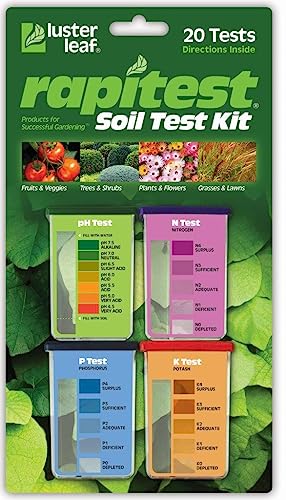
Best for beginners and small to medium-sized gardens, the Rapitest kit offers quick, at-home results for soil pH, nitrogen, phosphorus, and potash. It uses an easy capsule system and patented color comparators to translate color changes into actionable readings. This kit provides enough materials for about 20 tests (5 per parameter) and is designed for simple, repeatable use in multiple spots around a yard or garden.
Who it’s best for: homeowners who want a budget-friendly, straightforward kit with easy color-based results and enough tests to cover several garden locations. Why chosen: its simplicity and proven color comparison method make it a reliable starter option, especially for assessing basic nutrient balance and acidity. Caution: color interpretation can vary with lighting; use in natural daylight for best accuracy.
YAMRON 4-in-1 Soil Moisture Meter

This 4-in-1 model combines soil moisture, pH, temperature, and sunlight readings in a single digital device. It uses a large backlit LCD screen for easy viewing in daylight or dark conditions. It’s suited for gardeners who want real-time data to guide watering schedules and plant health decisions, particularly when rapid feedback is valuable.
Best for: gardeners who need quick digital readouts and want to optimize irrigation and plant stress management. Why selected: the combination of moisture, pH, temperature, and light makes it a versatile tool for ongoing plant care. Caution: relies on battery power; ensure fresh AAAA batteries are on hand and installed correctly for accurate results.
NewTest Soil Test Kit 4 Parameters

NewTest’s 4-parameter kit targets professional-grade soil analysis with 40 total tests—10 tests for each parameter: pH, nitrogen, phosphorus, and potassium. It emphasizes clear, step-by-step instructions to help beginners achieve accurate results without sending samples to a lab. The kit is designed for lawn and garden testing across multiple spots or plots.
Best for: gardeners seeking a higher test count and more structured guidance for interpreting results. Why selected: the larger test volume supports consistent monitoring over a growing season, which helps in planning fertilization. Caution: as a home kit, results are practical, not a formal laboratory analysis; plan for periodic re-testing to confirm trends.
SONKIR 3-in-1 Soil Meter

The SONKIR meter focuses on simplicity: soil moisture, pH, and sunlight readings without the need for batteries. It’s a practical choice for quick checks and for users who prefer a low-maintenance tool. The device helps determine when to water and whether plants receive adequate light, which is essential for sun-loving or shade-tolerant species alike.
Best for: beginners or busy gardeners who want a no-fuss tester without power needs. Why selected: reliability for straightforward readings in a single instrument. Caution: the device cannot measure pH in liquids; use only soil for pH readings and avoid testing very dry soil for accurate results.
AKSBTEC 2026 4-in-1 Soil Test Kit

AKSBTEC presents a 4-in-1 kit with 40 tests (10 tests per element: pH, nitrogen, phosphorus, potassium). It emphasizes ease of use with a color-matching approach, making it accessible for both new and experienced gardeners. The kit is designed for lawns, gardens, and general plant care, supporting ongoing tracking of soil health and nutrient status.
Best for: gardeners planning long-term soil monitoring across multiple zones. Why selected: a balanced combination of test count and practical, beginner-friendly instructions. Caution: like other color-matching kits, results depend on correct sample preparation and lighting conditions; verify readings under proper lighting.
Buying Guide: Key Considerations For Choosing A Soil Nutrient Tester
- How many tests do you need? If you manage many garden beds, opt for kits with 40 tests per parameter or multiple parameters to track changes over time.
- What readings matter most? For many, pH and essential NPK readings are enough. If you also need moisture and sun exposure, choose 4-in-1 or 7-in-1 devices.
- What is your preferred format? Colorimetric test cards offer low cost and simple interpretation; digital meters provide quick readings but require batteries.
- Is accuracy a priority? Professional or lab-grade analyses offer the most precision. Home kits give practical insights to guide fertilization and irrigation plans.
- How often will you test? Shorter intervals benefit from reusable kits with a clear test protocol; long-term monitoring can justify higher-test-count kits.
- Portability and ease of use: If you test across different yard zones, choose compact kits with clear instructions and minimal cleanup.
FAQ
- What is the difference between pH and nutrient tests?
– pH measures soil acidity or basicity, while nutrient tests assess levels of nitrogen, phosphorus, and potassium that influence plant growth. - How many tests should I perform in a typical lawn?
– Start with 2–4 test spots in representative areas; expand to more spots if results vary widely across the lawn. - Can I rely on color charts for accuracy?
– Color charts are practical for home use but lighting conditions can affect interpretation; use natural light when possible. - Do these kits replace lab soil testing?
– Home kits provide actionable guidance for routine care; for precise nutrient quantification, lab testing is the gold standard. - Should I test soil moisture as well?
– Yes, moisture status helps determine irrigation timing and can influence nutrient availability and pH readings. - How often should I retest?
– Retest after major changes (liming, fertilization) or at least once per growing season to monitor trends.