Looking for compact, fragrant lilacs that fit smaller spaces? This guide highlights five top syringa choices, focused on dwarf Korean lilac varieties and closely related lilac shrubs or trees. Each option is chosen for easy growth, pleasant fragrance, and suitability for American gardens. The top picks cater to different needs: from container-friendly dwarf shrubs to small ornamental trees perfect for focal points or privacy screens. Use the quick reference table to compare key details, then read each product section for specifics on best use, limitations, and ideal planting zones.
Summary table of selected products
| Product | Type | Best For | Key Note | USDA Zone Range |
|---|---|---|---|---|
| Live Plant from Green Promise Farms — Dwarf Korean Lilac, Palibin | Dwarf Shrub | Pots or small landscapes | 3-gallon pot; not ship to several western states | 3-8 |
| TriStar Plants — Dwarf Korean Lilac, Palibin | Dwarf Shrub | Compact landscapes | 1-gallon trade pot; compact and fragrant | Unknown |
| Ivory Silk Japanese Tree Lilac — Syringa reticulata ‘Ivory Silk’ | Ornamental Tree | Landscape focal point | Large panicles; fragrant white flowers | 3-7 |
| Tiny Dancer Dwarf Lilac | Dwarf Shrub | Small spaces with high fragrance | Compact growth; blooms heavily | Unknown |
| Villous Late Lilac Tree — Syringa Villosa | Lilac Tree/Shrub | Privacy screens or windbreaks | Pale pinkish white flowers; dense growth | 3-7 |
Green Promise Farms Dwarf Korean Lilac Palibin

The Green Promise Farms plant is a dwarf Korean lilac (Syringa meyeri Palibin) offered in a 3-gallon pot. It is described as fully rooted and ready for planting on arrival, with guidance about weather considerations and planting in USDA Zones 3-8. Best for gardeners seeking a compact lilac that can fit into smaller yards or container gardens. This option is suitable for beginners who want a reliable, slow-growing lilac with classic fragrance in mid-sized landscapes.
Who it’s best for: Small-space gardeners, container growers, and homeowners who want an established plant with immediate spring fragrance.
Why selected: It represents a true dwarf Korean lilac with an established root system and clear zone guidance.
Caution: Not shippable to several western states; verify local delivery restrictions before purchase.
TriStar Plants Dwarf Korean Lilac Palibin
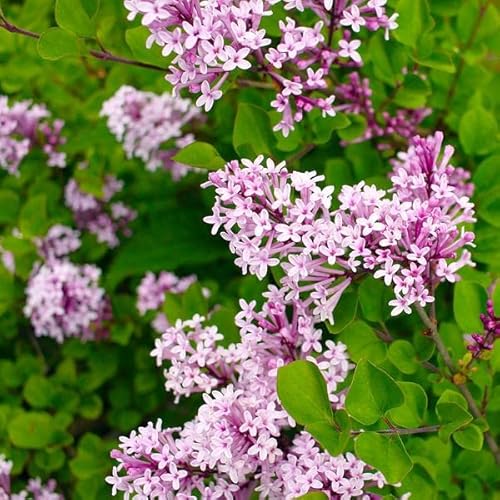
The TriStar Plants listing features a compact dwarf lilac (Syringa meyeri Palibin) in a 1-gallon trade pot. While the listing calls out its compact, fragrant nature, it emphasizes the dwarf habit suitable for edging and small gardens.
Who it’s best for: Home landscapers seeking a space-efficient lilac with strong fragrance.
Why selected: Emphasizes compact growth and established roots in a small container, making it a practical option for patios and small yards.
Caution: Limited information on zone hardiness; confirm local climate compatibility before planting.
Ivory Silk Japanese Tree Lilac — Syringa reticulata ‘Ivory Silk’

Ivory Silk is a Japanese lilac tree, Syringa reticulata, offering fragrant creamy white flowers in large panicles. It’s described as an elegant ornamental tree with a rounded crown, and noted for disease resistance against powdery mildew and borers. This choice suits larger spaces or focal landscape features where a small tree is desired.
Who it’s best for: Gardeners wanting a standout lilac tree as a landscape centerpiece.
Why selected: Combines fragrance with graceful form and resilience.
Caution: Not a dwarf shrub; consider spacing and mature size in planning.
Tiny Dancer Dwarf Lilac

Tiny Dancer offers a compact lilac with notable frost tolerance and heat endurance, described as suitable for spaces where hard-working, independent plants are needed. It features large panicles of fragrant florets and a compact growth habit, making it ideal for patios or small gardens.
Who it’s best for: Gardeners seeking strong fragrance in a compact footprint.
Why selected: Combines robust fragrance with a truly small form factor.
Caution: Exact zone and mature size not specified; verify suitability for your climate and space.
Villous Late Lilac Tree — Syringa Villosa

The Villous Late Lilac Tree is described as a nursery pot lilac with a fast, dense growth habit, suitable for windbreaks or privacy screens. It features pale pinkish-white flowers and broad adaptability for landscape use across multiple zones.
Who it’s best for: Homeowners seeking privacy screening or a compact shade element.
Why selected: Dense habit provides effective screening; adaptable for various landscapes.
Caution: Not specified as a true dwarf; plan for eventual size in dense plantings.
Buying Guide
- Space and form: Decide between dwarf shrubs and small ornamental trees. Dwarfs fit containers and tight corners; trees create focal points but require more space.
- Fragrance and bloom habits: Lilacs are prized for perfume; consider bloom timing (early vs late spring) and panicle size.
- Hardiness zones: Most selections target Zones 3-7 or 3-8. Confirm your USDA zone before purchasing to ensure winter survival and spring bloom.
- Container vs. bare-root: Potted plants arrive established with root systems ready for planting, while bare-root or seed options require more careful establishment.
- Sun and soil needs: Lilacs typically prefer full sun and well-drained soil; adjust watering in drought-prone areas and during establishment.
- Pruning and maintenance: Regular pruning helps keep shape, encourages prolific blooming, and maintains health. Avoid heavy pruning right after bloom to protect next year’s flowers.
Frequently Asked Questions
- Are dwarf Korean lilacs good for containers? Yes, many cultivars stay manageable in pots with regular watering and sun exposure.
- When do these lilacs typically bloom? Most lilacs bloom in late spring; panicle size and fragrance vary by variety.
- Do all lilacs tolerate cold winters? Most syringa varieties tolerate a wide winter range, though hardiness depends on the specific cultivar and zone.
- Can lilacs be used as hedges or screens? Yes, many lilacs have dense growth suitable for privacy screens, especially taller varieties like tree lilacs.
- What are common pests or diseases? Powdery mildew and borers are mentioned for some cultivars; ensure good air circulation and proper spacing.
- Do these products ship to all states? Shipping restrictions vary by seller and state; review cart restrictions and state-specific policies before ordering.