Looking to grow your own pears without taking over your yard? Semi-dwarf pear trees are designed for smaller spaces while still delivering plenty of fruit. This guide highlights five reliable options that balance size, fruit quality, and ease of care, helping you choose the right tree for your climate and landscape. Perfect for homeowners with limited space, first-time fruit growers, and urban gardeners seeking fresh pears for snacks, canning, or desserts.
Summary table of selected products:
| Product | Best For | Why It Stands Out |
|---|---|---|
| Bartlett Pear Trees (Semi-Self Pollinating) – 5 Gallon | Home orchards and edible landscapes | Classic Bartlett pears, white blooms, manageable 3-4 ft height in a 5-gallon pot; semi-self pollinating for easier fruiting. |
| Flordahome Pear Trees – 5 Gallon | Pleasant floral display and fresh pears | Semi-self pollinating, 3-4 ft tall; white blooms and versatile for fresh eating or canning. |
| Kieffer Pear Trees – 5 Gallon | Fresh eating and canning versatility | Semi-self pollinating, 3-4 ft tall; white flowers and adaptable to landscapes. |
| 3-Pack Fruit Trees (Apple, Plum & Pear) – Dwarf Starter Kit | Beginning backyard orchard | Includes pear trees in a 3-pack; diverse fruiting options for a small space. |
| 3-Pack Fruit Trees (6 Pack Version) – Dwarf Starter Kit | Expanded small-space orchard | Grows 6 trees total (2 of each), including pear varieties; more fruit variety in the same footprint. |
Bartlett Pear Trees, 5 Gallon Pot

The Bartlett Pear Trees offer a semi-self-pollinating option in a 5-gallon pot, standing about 3-4 feet tall when established. This tree emphasizes culinary versatility with fresh pears suitable for eating, baking, and preserves. The white flowering display adds ornamental value to outdoor spaces, pairing aesthetics with fruit production. Best for small yards, patios, or edible landscapes where space is a key constraint. Caution: fruiting depends on pollination and seasonal conditions; ensure sun and well-drained soil for best results.
- Best for compact home orchards and edible landscapes.
- Better for gardeners who want reliable, classic pear flavor.
- Avoid if you need very tall trees for privacy or shade.
Flordahome Pear Trees, 5 Gallon
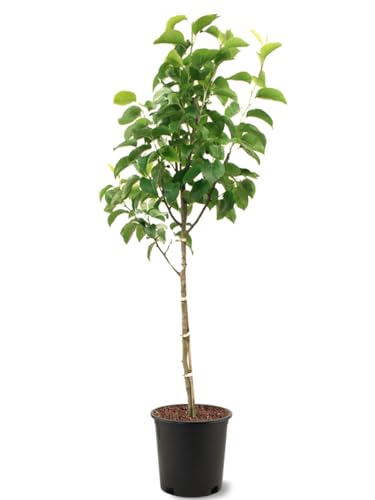
The Flordahome Pear Trees grow in a 5-gallon pot and typically reach 3-4 feet in height. They are semi-self-pollinating, supporting fruit set with limited cross-pollination requirements. White flowers add visual appeal in spring, and the trees yield fresh pears ideal for eating or preserving. Best for hobby fruit growers who want a reliable, small ornamental tree that produces fruit. Limitation: may require careful pruning to maintain compact size in dense landscapes.
- Best for decorative appeal plus reliable fruit production.
- Better for gardeners prioritizing ornamental blooms alongside fruit.
- Avoid if you need very high crops in the initial years.
Kieffer Pear Trees, 5 Gallon
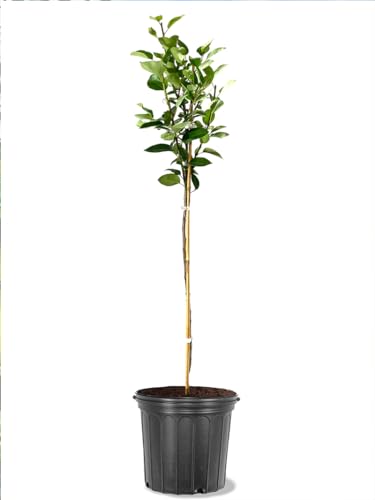
The Kieffer Pear Trees are described as semi-self-pollinating and are planted in a 5-gallon pot, about 3-4 feet tall. They offer a versatile harvest suitable for fresh eating and canning, making them a flexible choice for kitchen gardeners. White blooms add a seasonal allure to landscapes. Best for shoppers seeking a dependable pear variety with a broad harvest window. Limitation: pollination proximity to compatible varieties can influence fruit set.
- Best for fresh eating and canning versatility.
- Better for gardeners who want a reliable, mid-sized pear tree with bloom display.
- Avoid if you require a very high-yielding single-variety tree from day one.
3-Pack Fruit Trees – Dwarf Starter Kit (Apple, Plum & Pear)

This starter kit bundles live apple, plum, and pear trees in a compact, 3-pack arrangement. While the package includes non-pear trees, the pear trees in this set make it a practical option for gardeners seeking variety within a small footprint. Best for beginners who want diversity and the chance to trial multiple fruit crops. Caution: mixed-species kits can require slightly different care schedules; ensure each tree gets appropriate sunlight and soil conditions.
- Best for a diverse, space-conscious backyard orchard.
- Better for exploring multiple fruit types, including pears.
- Avoid if you specifically want only pear trees with uniform care needs.
3-Pack Fruit Trees (6 Pack Version) – Dwarf Starter Kit
This option expands the dwarf starter concept to include two of each variety within a six-tree mix. It presents a balanced way to maximize fruit production in smaller spaces while still allowing for fruit variety, including pears. Best for homeowners who want more fruiting opportunities without a large landscape footprint. Caution: ensure you have adequate spacing between trees to prevent crowding as they mature.
- Best for expanding a small-space orchard with more trees.
- Better for those who want two of each fruit type within the kit.
- Avoid if you have extremely tight space, as trees will need room to mature.
Buying Guide: Key Pear Tree Considerations
What matters most when choosing semi-dwarf pear trees? Consider climate hardiness, pollination needs, space, soil, sun exposure, and maintenance. Semi-dwarf varieties typically reach manageable heights, making pruning and harvest easier. Look for trees labeled semi-self pollinating if you have limited options for cross-pollination nearby. Ensure you gardener-friendly features such as disease resistance, adaptable soil, and a manageable mature width.
- Hardiness zone: verify the variety suits your winter lows and summer heat.
- Pollination: semi-self pollinating trees can produce fruit with some pollination support; check nearby compatible pear varieties if possible.
- Space planning: measure your yard to ensure there’s room for canopy spread and root growth.
- Soil and sun: most pear trees prefer full sun and well-drained soil. Improve soil with compost if needed.
- Maintenance: pruning, fertilization, and pest management influence yield and tree longevity.
Practical Planting Tips
Plant pear trees in a location with at least 6-8 hours of direct sun daily. Prepare a well-drained planting site with rich organic matter. Water deeply after planting and mulch to conserve moisture. When pruning, aim to maintain an open center or vase shape to improve air circulation and sunlight exposure. For semi-dwarf varieties, expect steady growth to a compact form, which helps in container or small-yard setups.
FAQ: Quick Answers For Buyers
- Are semi-dwarf pear trees easier to manage than standard pears?
Yes. They stay smaller, making pruning, harvesting, and container gardening more practical for limited spaces.
- Do these pears require cross-pollination?
Most semi-self pollinating pear varieties need some cross-pollination for optimal fruit set, but may still produce fruit with nearby compatible trees. Check each variety’s pollination notes.
- What is the typical maintenance schedule?
Annual pruning, seasonal fertilization, and regular monitoring for pests and diseases are common. Water during dry spells, especially in pots.
- Can I keep these trees in containers long-term?
Yes, many semi-dwarf pears are well-suited for containers, especially those marketed as 5-gallon or similar. Ensure adequate root space and drainage.
- Which pear varieties are best for canning?
Kieffer and Bartlett are popular for fresh eating and canning due to their flavor and texture. Consider your climate and taste preferences when choosing.