Hydrangeas and roses share a need for steady, balanced nutrition that supports vibrant blooms and lush foliage. The right fertilizer improves flower production, color, and overall plant vigor while helping plants resist common pests and diseases. Below are five top-rated options tailored for roses, hydrangeas, and other flowering shrubs. Each product is designed to feed effectively, with varying release styles and organic options to fit different gardening approaches.
| Product | Brand | Key Benefit |
|---|---|---|
| Miracle-Gro Water Soluble Bloom Booster Flower Food | Instant feeding for more blooms and vibrant color | |
| Jobe’s Organics Granular Rose Fertilizer | Jobe’s Organics | Organic, low-runoff granular fertilizer |
| Scotts Rose & Bloom Continuous Release Plant Food | Scotts | Two-month steady feeding for extended bloom cycles |
| Espoma Organic Rose-Tone 4-3-2 | Espoma | All-natural, ready-to-use with Bio-tone microbial formula |
| BioAdvanced All-In-One Rose and Flower Care Fertilizer | BioAdvanced | Fertilizer plus pest and disease protection |
Note: This selection emphasizes a mix of synthetic, organic, and all-in-one products to cover different gardener preferences. Each option supports hydrangeas and roses, with benefits tailored to multi-season color, foliage health, and bloom density.
Miracle-Gro Water Soluble Bloom Booster Flower Food

Miracle-Gro Water Soluble Bloom Booster is designed to deliver quick, visible results for flowering plants, including roses and hydrangeas. Its water-soluble formula is easy to mix and work with both in-ground gardens and containers. The product promises more blooms and richer color than unfed plants, with feeding possible every 7–14 days as part of an ongoing bloom-focused regimen. The immediate availability of nutrients helps plants respond quickly to feeding, supporting vibrant gardens with steady color through the growing season.
- Promotes more blooms for greater color
- Instant feeding; may be reapplied every 7–14 days
- Suitable for roses, hydrangeas, hibiscus, and other flowering plants
Jobe’s Organics Granular Rose Fertilizer

Jobe’s Organics Granular Rose Fertilizer provides a 3-4-3 NPK ratio with organic ingredients designed to feed roses and flowering shrubs while minimizing wasteful runoff. The formulation aims to support abundant blooms and vibrant leaves by delivering nutrients gradually. It’s OMRI-listed for organic gardening by the USDA, making it a favorable choice for gardeners seeking organic-certified options. The granular approach reduces odor and is easy to apply around the drip line, blending into soil as it nourishes roots.
- 4 pounds of organic fertilizer granules
- 3-4-3 NPK with emphasis on bloom production
- Low runoff, OMRI-listed for organic gardening
Scotts Rose & Bloom Continuous Release Plant Food

Scotts Rose & Bloom Continuous Release Plant Food delivers steady nutrition over a two-month period, designed to sustain blooms on roses, annuals, and perennials. The continuous release format reduces the need for frequent applications, making it a practical choice for gardeners seeking low-maintenance feeding. This product supports long-lasting flowering cycles and helps maintain healthy green foliage while encouraging fuller blossoms on roses and other flowering plants.
- Steady feeding for up to 2 months
- Promotes beautiful blooms on roses and flowering plants
- Ideal for in-ground beds and containers
Espoma Organic Rose-Tone 4-3-2
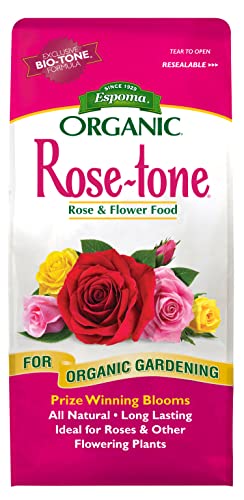
Espoma Rose-Tone provides an organic 4-3-2 blend enhanced with Bio-tone beneficial microbes. This ready-to-use formula supports vigorous green growth and abundant blooms for all types of roses, as well as other flowering plants like viburnum and clematis. It’s designed for monthly use during the growing season, and its organic composition ensures a slow, steady release that’s gentle on roots and soil—ideal for gardeners prioritizing natural inputs and soil health.
- Organic 4-3-2 with calcium
- Ready-to-use; no mixing required
- Bio-tone microbes aid soil health
BioAdvanced All-In-One Rose and Flower Care Fertilizer
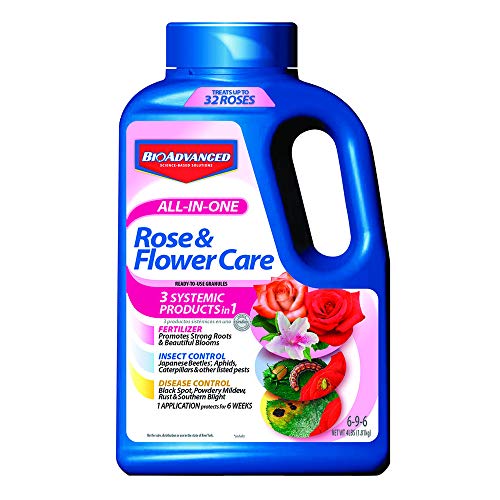
BioAdvanced All-In-One Rose and Flower Care Fertilizer combines fertilizer with pest and disease protection in a single product. This granulated option feeds roses, hibiscus, irises, and similar flowering plants while offering a shield against common pests such as adelgids and aphids, and mitigating diseases like Black Spot and Powdery Mildew. It provides a curated nutrient mix alongside protective properties, making it a practical choice for gardeners seeking integrated care for both nutrition and plant health.
- Fertilizer with pest and disease protection
- Targets roses and a range of flowering plants
- Supports strong roots and vibrant blooms
Buying Guide: Key Purchase Considerations
Choosing the right rose and hydrangea fertilizer depends on your garden setup, soil health, and maintenance preferences. Consider the following perspectives to guide your decision:
- Organic vs. synthetic: Organic options like Jobe’s Organics and Espoma Rose-Tone emphasize soil health and slow release, which can improve long-term soil biology. Synthetic, water-soluble products, such as Miracle-Gro Bloom Booster, offer rapid results and precise dosing for monthly feeding cycles.
- Release style and frequency: Continuous release (Scotts) reduces maintenance, while water-soluble formulas require regular applications every 7–14 days during the growing season. Choose based on how much time you want to invest in feeding and monitoring.
- NPK balance: Look for fertilizers with nutrients that support blooms (phosphorus and potassium) and general plant health (nitrogen). For roses and hydrangeas, a balanced or bloom-focused ratio such as 4-3-2 or 3-4-3 is common, but your soil test may suggest adjustments.
- Soil health and safety: Organic options tend to be gentler on soil biology and waterways, reducing runoff concerns. If you garden in containers or sandy soils, water-soluble formulas can supply readily available nutrients immediately.
- Integrated pest and disease control: Some products, like BioAdvanced All-In-One, provide pest and disease protection in addition to nutrition. If you face frequent pest pressure, an all-in-one solution can be convenient, though it may not replace targeted disease management.
- Application guidance: Always follow label directions, apply around the drip line, and water thoroughly after application. For container plants, ensure the product dissolution rate matches container size and irrigation rhythm.
- Plant variety considerations: Hydrangeas and roses vary in nutrient needs by species and cultivar. If you know your hydrangea type (e.g., mophead, lacecap) or rose cultivar, tailor your fertilizer choice to those recommendations when possible.
In summary, selecting a rose fertilizer for hydrangeas should reflect your gardening style—whether you prioritize fast-acting, visible blooms or long-term soil health with organic inputs. The five products highlighted here cover a spectrum of approaches, enabling you to optimize bloom color, plant vigor, and garden resilience throughout the season.