Choosing the right rocks for a fish pond or aquarium decor matters for safety, water quality, and visual appeal. This guide reviews five popular options, focusing on natural textures, non-toxicity, and ease of maintenance. Each product supports creating a natural habitat for fish, turtles, or aquatic plants while adding color and dimension to ponds, fountains, and garden pathways. Read on to compare features, installation tips, and buying considerations to help you pick the best rocks for your aquatic space.
| Product | Brand | Approx. Weight/Size | Use Case |
|---|---|---|---|
| FANTIAN 5 lbs Natural Aquarium Rocks | FANTIAN | 5 lbs; 2-3 inches | Fish tanks, plants, garden decor |
| Quibbay 5 lbs Mexican Beach Pebbles | Quibbay | 5 lbs; 2-3 inches | Aquariums, fountains, walkways |
| 10lb Natural Decorative Polished Mixed Pebbles | OUPENG | 10 lbs; various shapes | Aquariums, landscaping, decor |
| dojobkinb River Rocks 5.5 Lb | dojobkinb | 5.5 lbs; 1″-1.5″ | Aquariums, indoor plants, decor |
| ChaoLeHo Seiryu Stones 5lb | ChaoLeHo | 5 lbs; 2-6 inches | Aquariums, hardscape, gardens |
FANTIAN Natural Aquarium Rocks
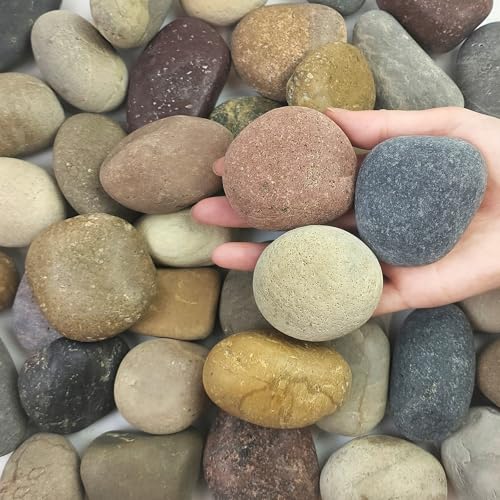
These 5-pound mixed-color river rocks come in 2-3 inch sizes. They are natural, unpolished, and free of fillers or dyes, making them suitable for fish tanks and garden installations. The stones are non-toxic and reusable, with colors that vary between dry and wet states to enrich the habitat. Their 2-3 inch scale helps prevent ingestion by larger fish while providing secure surfaces for plants and algae to attach.
Voulosimi Natural Slate Rocks

Natural slate stones are used for walkways, water features, ponds, and gardens. The stones vary in size and shape, offering natural variation that adds texture and interest to landscapes and enclosures. They are hand-picked, washed, and suitable for outdoor and indoor use, including decorative rock displays around aquariums and terrariums.
Quibbay Mexican Beach Pebbles

These 5-pound Mexican beach pebbles measure 2-3 inches and arrive clean with smooth surfaces. They are natural, non-toxic, and unpolished, preserving their organic color variations. They are ideal for large garden projects, ponds, fountains, and rustic pathways, and can help with soil erosion control and weed suppression in landscape designs.
OUPENG Polished Pebbles

Polished river pebbles in a 10-pound bag, designed for long-lasting color and shine. The pebbles are natural with no added dyes or fillers. They are suitable for aquariums, water features, and landscaping accents. The wax coating helps preserve color, making them visually striking in ponds, fountains, and terrarium displays.
ChaoLeHo Seiryu Stones

Seiryu stones offer a unique natural texture with distinctive patterns. They are safe for aquatic life and help maintain stable water quality while enhancing the aesthetic appeal of aquascapes. They are durable and weather-resistant, making them suitable for long-term use in tanks, ponds, and garden hardscapes.
Buying Guide
- Safety and water compatibility: Choose rocks labeled non-toxic and suitable for aquariums or water features to avoid altering pH or releasing harmful substances.
- Size and suitability: For fish and small turtles, pick rocks in the 1–3 inch range to reduce ingestion risk. Larger stones work well for decorating ponds and landscaping features.
- Surface texture and porosity: Smooth surfaces are safer for fish and plants, while porous rocks can host beneficial bacteria but may require cleaning to prevent algae buildup.
- Color stability: Natural stones with minimal dye or coating will maintain their color and reduce the need for frequent replacement.
- Maintenance: Some rocks may shed dust; rinsing before placement is recommended. Polish-coated pebbles resist fading but may require periodic cleaning to retain luster.
- Application versatility: Consider how stones fit into both aquarium aquascapes and garden landscapes—for example, edging pathways, decorating planters, or building shallow rock gardens.
- Weight considerations: Heavier stones add stability to ponds and landscaping features but may be harder to reposition. Plan layouts accordingly.
- Environmental impact: Prefer stones that are natural, unpolished, and free from added fillers or dyes to minimize ecological impact.