Growing vegetables in raised beds can improve drainage, soil quality, and yields. This guide highlights five highly compatible options that balance depth, durability, and ease of assembly. Each product is evaluated for growing depth, material longevity, and weed control to help American gardeners choose confidently.
| Product | Materials | Depth | Approx. Capacity |
|---|---|---|---|
| Best Choice 6x3x2ft Gray Metal Bed | Powder-coated steel | 2 ft | 269 gallons |
| Best Choice 72x24x30in Wood Bed | Chinese fir wood | 2.5 ft | 8.4 cu ft planting space |
| Best Choice 8x4x2ft Gray Metal Bed | Powder-coated steel | 2 ft | 478 gallons |
| Best Choice 6x3x2ft Wood Grain Bed | Powder-coated steel | 2 ft | 269 gallons |
| Best Choice 8x2x2ft Gray Metal Bed | Powder-coated steel | 2 ft | 239 gallons |
Best Choice 6x3x2ft Metal Raised Bed
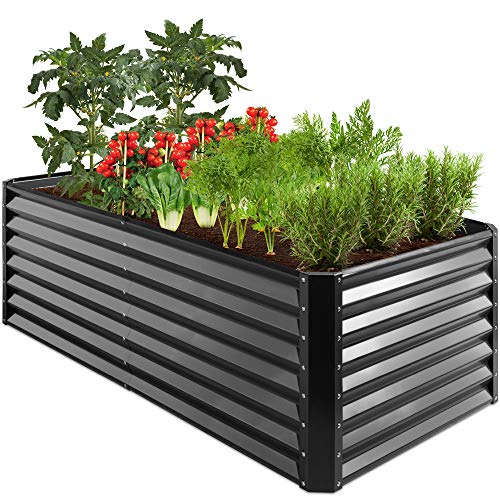
2 ft growing depth (24 inches) accommodates deep-rooting vegetables such as broccoli and beans, with a capacity of up to 269 gallons of soil. The steel panels assemble without tools using included wingnuts and bolts, with rubber edging for safety. Powder-coated finish enhances durability for long-term outdoor use. Note: bottom panel is not included.
Best Choice 72x24x30in Wood Raised Bed
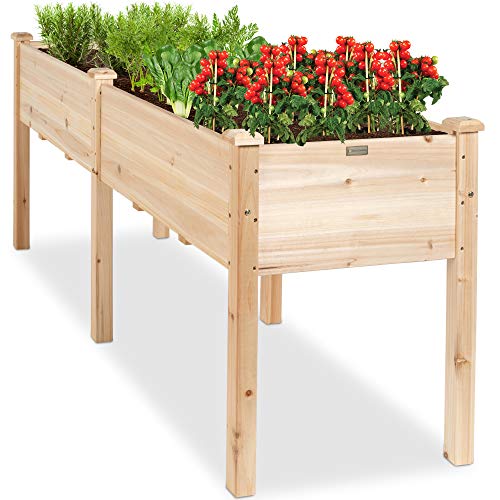
Open space provides 8.4 cubic feet of planting area with six drainage holes to promote aeration and prevent rot. An all-wood construction using Chinese fir yields a natural, weather-friendly structure to resist warping. This design includes a divider panel for organized planting layouts and easy access in elevated positions.
Best Choice 8x4x2ft Metal Raised Bed
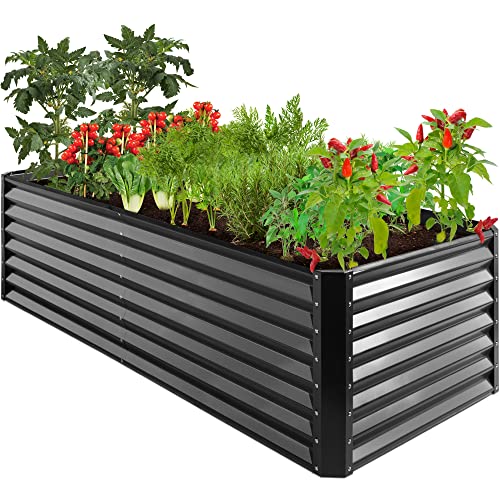
With 2 ft depth, this bed holds up to 478 gallons of soil—great for larger vegetable crops. The open base design facilitates compost layering and enriched soil creation. It also features tool-free assembly with beveled steel panels and rubber-edged edges for user safety.
Best Choice 6x3x2ft Wood Grain Metal Bed

This 6x3x2ft model combines powder-coated steel with a wood grain finish for a natural look while maintaining the durability of metal. It holds 269 gallons and uses a bottomless design for efficient drainage and soil management. Assembly remains tool-free with included wingnuts and bolts and rubber edging.
Best Choice 8x2x2ft Rectangular Metal Bed
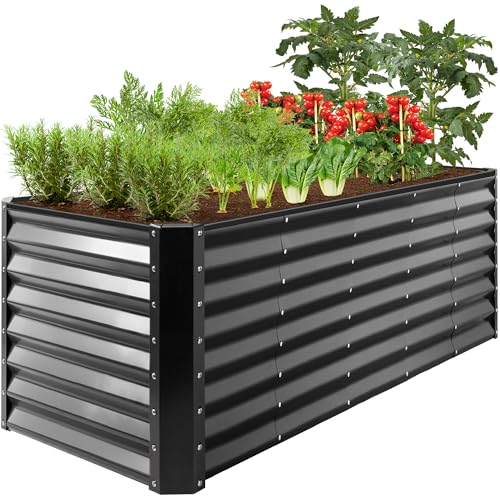
A compact 8x2x2ft option offers 239 gallons of soil capacity. It emphasizes an open-bottom design to promote drainage and root access to nutrients, along with tool-free assembly and protective rubber edging for safety.
Buying Guide
Key considerations help buyers compare raised beds for vegetables across materials, size, and features:
- Material durability: Metal beds provide longevity and rust resistance with powder coating; wood beds blend with landscapes but require maintenance to prevent rot.
- Growing depth and soil capacity: Deeper beds support cabbage, broccoli, and beans; shallower beds suit greens and herbs. Consider capacity in gallons or cubic feet to gauge soil volume.
- Drainage and bottom design: Open-bottom or bottomless options boost drainage and compost layering but may require weed suppression strategies. A solid bottom prevents soil loss and pests but may limit drainage.
- Assembly and hardware: Tool-free assembly saves time; look for protective rubber edging to reduce injuries and protect crops. Wingnuts and bolts simplify setup and disassembly for winter storage.
- Mobility and accessibility: Elevated beds minimize bending and back strain. Locking wheels add mobility; consider height for comfortable gardening posture.
- Maintenance and long-term care: Galvanized steel resists corrosion; wooden frames may warp without proper sealing. Weigh ongoing upkeep against initial investment.
- Location compatibility: Ensure sun exposure, wind protection, and accessibility from your usual watering spot. Some designs offer dividers to organize crop planning.
- Weed and pest management: Open bases allow easy compost layering but may invite weeds; use landscape fabric or weed barriers beneath the bed if possible.
When choosing, align bed size with your garden space, local climate, and the types of vegetables you intend to grow. For compact urban yards, narrower or shorter beds with open drainage can maximize yields without overwhelming the space. For expansive plots, deeper and wider metal or wood beds can support multiple crops in seasons with varied sunlight.