Growing pumpkins can be a rewarding experience, from vibrant fall displays to carving-worthy jack-o’-lanterns. This guide highlights five reliable pumpkin seed varieties, spanning giant giants to decorative blues and classic carving pumpkins. Each pick offers distinct flavors, colors, and growing traits to fit different garden goals and climates.
The following summary table showcases the chosen products, their brands, and what makes them notable for a pumpkin-growing project. Use it as a quick reference before diving into detailed sections.
| Product | Brand | Key Point |
|---|---|---|
| Seed Needs Pumpkin Seeds for Planting Spooky Blend | Seed Needs | Non-GMO, multi-variety mix ideal for diverse harvests |
| Sow Right Seeds – Big Max Pumpkin Seeds for Planting | Sow Right Seeds | Giant, decorative, high-yield potential |
| Exotic Blue Pumpkin Seeds | Blue Jarrahdale | CZ Grain | Distinct blue-orange heirloom with striking exterior |
| Seed Needs Pumpkin Seeds for Planting a Collection | Seed Needs | Blue Jarrahdale, Casper White, Jack Be Little, Baby Boo, Fairytale and more |
| KVITER 25 Big Max Pumpkin Seeds | KVITER | Up to 100 lbs per fruit, bold harvest potential |
Seed Needs Spooky Blend Pumpkin Seeds

The Seed Needs Spooky Blend offers a mixture of more than seven pumpkin varieties, including Jack O’ Lantern, Blue Jarrahdale, Atlantic Giant, Fairytale, and Cinderella. The blend is designed for gardeners who want variety in color, size, and maturation times. Harvest windows range from about 90 to 125 days, depending on the variety. The seed mix emphasizes non-GMO and untreated seeds, supporting traditional cultivation practices. Larger seeds generally yield larger pumpkins, while smaller seeds tend to produce smaller or miniature fruits. A straw mulch under developing fruit can help prevent rot during wet seasons.
Sow Right Seeds Big Max Pumpkin Seeds
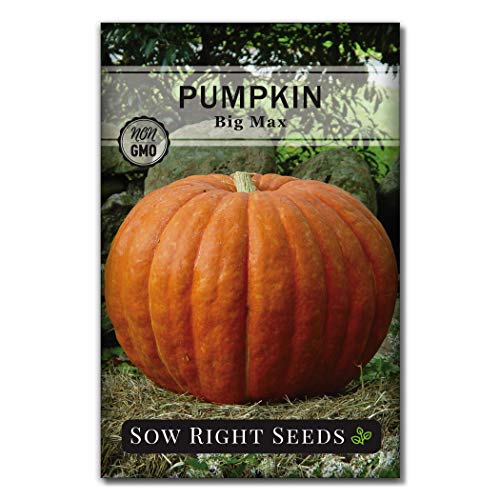
Big Max is renowned for its monumental fruit size and striking orange hue. This non-GMO heirloom is ideal for gourds, carving, and impressive autumn displays. Germination typically occurs within 7 to 14 days in warm soil (70–90°F). Planting guidance recommends placing seeds 1 inch deep with 4 to 6 feet between plants in full sun. Plants can reach 10 to 18 inches tall with a similar spread. Expect fruits to mature in roughly 110 to 120 days and adapt well to USDA zones 3 through 10. The seed packet emphasizes a dramatic yield and versatile use in cooking or decoration.
Exotic Blue Pumpkin Seeds – Blue Jarrahdale

Exotic Blue Pumpkin Seeds from CZ Grain offer the true blue Jarrahdale pumpkins, known for their slate-blue skin and deeply ribbed exterior. Harvesting occurs in about 100 days, producing pumpkins roughly the size of a basketball. These are prized for unique color in fall displays and for cooking, as the flesh is typically a rich orange. CZ Grain backs the seeds with a satisfaction guarantee, ensuring authenticity and quality. The variety stands out in ornamental gardens and seasonal markets alike for its striking appearance and reliable growth.
Seed Needs Blue Jarrahdale & Other Heirlooms Collection

This Seed Needs collection blends Blue Jarrahdale with Casper White, Jack Be Little, Baby Boo, Fairytale, and Jack O’ Lantern. The included varieties cover both decorative and culinary uses, from large, traditional carving pumpkins to petite, sugar pies. Jack O’ Lantern and Jack Be Little offer classic shapes for Halloween and displays, while Casper White and Baby Boo provide elegant options for seasonal decor. The assortment supports diverse harvest timelines and uses, making it a flexible choice for gardeners who want multiple outcomes from a single seed purchase.
KVITER 25 Big Max Pumpkin Seeds

KVITER’s 25 Big Max seeds aim at home growers seeking truly giant pumpkins. These seeds promise massive fruit, potentially reaching up to 100 pounds each. They’re suited for dedicated pumpkin displays, fairs, and ambitious carving projects. The vines typically grow to a substantial spread, requiring ample space in full sun and fertile soil. Direct sow after the last frost with a spacing plan that supports multiple large fruits per plant. Seedling emergence usually occurs within 7 to 14 days, depending on conditions, with careful thinning to retain the strongest fruit producers.
Buying Guide: Key Considerations For Selecting Pumpkin Seeds
Choosing pumpkin seeds involves balancing size, color, flavor, and growth duration against garden space and climate. Here are essential factors to consider to maximize success:
- Fruit size and use: If you want jack-o’-lanterns, focus on carving varieties like Big Max or Jack O’ Lantern. For pies and baking, choose smaller, sugar pumpkins such as Small Sugar or Mini Sugar types. For decorative color, consider blue Jacarhdale or black-skinned varieties.
- Growth habit and space: Giant pumpkins require wide-spaced vines and extended growing seasons, while smaller varieties fit compact beds or container gardens. Check mature vine length and recommended spacing in seed descriptions.
- Germination and climate: Look for seeds with clear germination timelines and temperature ranges. Some varieties perform best in warm soils (70–90°F) and long frost-free periods. USDA zone compatibility helps with planning.
- Harvest timing: Varieties differ in days to maturity (e.g., 90–125 days). Align choices with your growing season length to ensure fruits mature before first frost.
- Color and culinary value: Blue Jarrahdale and Casper White offer distinct aesthetics, while Classic Orange pumpkins are versatile for both cooking and display.
- Seed quality and non-GMO status: Non-GMO and untreated seeds are common preferences for traditional gardeners. Verify seed lineage and labeling when possible.
- Care requirements: Mulching, straw under fruit, and regular watering help reduce rot and improve yield. Healthy soil with adequate fertility supports larger fruits and better flesh quality for pies and soups.
For most home gardeners, starting with a mixed package or a small variety pack can help assess how different pumpkins perform in your local conditions. Always follow planting depth and spacing guidance from the seed packet, and tailor care to seasonal rainfall and temperatures.