Looking for the best pollen patties to support your bee colonies? This guide highlights five pollen patties that are well-suited for different beekeeping goals, from brood development to winter survival. Each option is described with who it’s best for, why it’s a solid choice, and any important caveats. Whether you’re a hobbyist, a small commercial keeper, or a backyard beekeeper, these selections help ensure your bees get essential protein, amino acids, and nutrients when natural pollen is scarce.
Buyer needs vary by operation. For newcomers, a straightforward, ready-to-use patty with proven nutrition benefits is ideal. For seasoned keepers, patties that promote brood expansion and queen performance can be advantageous during spring and fall buildup. The table below summarizes the five selected products to help you compare at a glance.
| Product | Best For | Key Benefit | Notes |
|---|---|---|---|
| Village Gift Importers Pollen Patty | All levels of beekeeping | High protein formula for healthy colonies | Place on brood chamber; strong nutrition emphasis |
| Mann Lake Bee-Pro Patties | Brood-building and winter prep | Pro Health digestive support; proven brood expansion | USA-made; 10 lbs |
| Mann Lake Ultra Bee Pollen Substitute Patties | Seasonal feed and nectar gaps | 15% protein; vitamins and amino acids | 10 lbs; animal-byproduct free |
| Global Patties 15% Pollen Patties | Balanced nutrition when foraging is limited | Four patties; pollen and protein blend | 4-pack; versatile |
| Harvest Lane Honey PPBB-102 LB 15% Pollen Pattie | Spring brood buildup | 15% pollen; feeding supplement | One-pound pattie units |
Village Gift Importers Pollen Patty — High Protein Formula
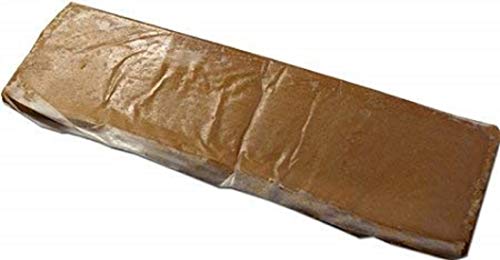
The Village Gift Importers patty is designed for broad beekeeping use, featuring a high protein formula intended to support brood rearing and overall colony health. It is recommended for beekeepers at all levels who want a straightforward, ready-to-use feed that sits atop the brood chamber frames. Best for operations seeking reliable nutrition without complex preparation.
Who it’s best for: hobbyists or small-scale keepers needing a simple, effective boost of nutrition during critical brood development stages. Why chosen: the formulation emphasizes high protein content to promote strong nurse bee activity and sustained colony growth. Caution: ensure proper placement directly on top of the frames to avoid dislodgement during hive activity or strong ventilation changes.
Mann Lake Bee-Pro Patties — High Protein Nutrition

This product focuses on balanced, high-protein nutrition with additional digestive support (Pro Health Digestive Aide). It’s designed to fuel brood development and steady queen performance while helping colonies grow stronger through seasonal transitions. Best for: mid-to-large colonies needing robust brood expansion and resilience, especially during spring buildup and fall preparation. Why chosen: includes digestive support to help bees utilize nutrients more efficiently and maintain colony momentum. Caution: some colonies may respond differently to fortified formulas; monitor for rapid brood changes.
Mann Lake Ultra Bee Pollen Substitute Patties

This option delivers a 15 percent crude protein feed with balanced amino acids, vitamins, lipids, and minerals. It’s designed to support brood development and nest expansion while maintaining immune strength across seasons. Best for: beekeepers managing multiple forage gaps or preparing for nectar flows when natural pollen is scarce. Why chosen: comprehensive nutrient profile supports resilience in demanding conditions. Caution: as a substitute, it may not perfectly mimic natural pollen variance; observe colony response and adjust as needed.
Global Patties 15% Pollen Patties — 4 Pack

This four-pack provides a steady pollen-boost option to help colonies during poor foraging conditions. The formulation combines soya flour, brewers yeast, sugar, water, and pollen to deliver a balanced protein supplement that supports brood health, nest expansion, and potential honey production. Best for: beekeepers facing weather or pesticides that limit natural pollen forage. Why chosen: the four-pack offers consistent supply, making seasonal planning easier. Caution: packet weight is approximate; plan for slight variances in patty size per unit.
Pollen Patties For Bee Keeping — 15% Natural Pollen

This patty emphasizes 15% natural pollen content and sits directly on top of the brood frames. It’s suitable for beekeepers who want a natural pollen supplement with straightforward placement. Best for: operations seeking a familiar pollen blend with simple use. Why chosen: directly supports brood development with a familiar pollen profile. Caution: excessive use may be less effective in colonies with already strong pollen intake; balance with overall feed strategy.
Harvest Lane Honey PPBB-102 LB 15% Pollen Pattie

This large 1-pound patty is aimed at spring brood build-up, offering a 15% pollen content to support colony growth and brood density. Best for: beekeepers preparing for spring nectar flow or workers needing extra pollen during brood expansion. Why chosen: the targeted spring use makes it easy to time feeding with anticipated brood needs. Caution: larger formats require adequate storage and handling to prevent moisture-related spoilage.
Buying Guide: Key Purchase Considerations
- Protein content and amino acids: Higher protein helps brood development and nurse bee performance. Look for products around 10–15% protein with balanced amino acids.
- Season and purpose: Use higher-protein patties for spring buildup and queen performance; use pollen substitutes when natural pollen is scarce or during winter.
- Form and packaging: Single-patty formats are easier to manage for small hives; multi-pack or bulk options suit larger operations and quick rotation.
- Allergen and byproduct considerations: Some patties contain animal byproducts or fortifications—check labels if you have allergies or dietary restrictions within your operation.
- Placement and hive integration: Most patties are designed to sit on top of brood frames; ensure stable placement to prevent dislodgement by bee activity or wind.
- Local forage conditions: If there is abundant local pollen, you may reduce reliance on patties; in areas with limited forage, patties can maintain brood and colony health.
FAQ
- Q: When should I start using pollen patties? A: Begin Patties when natural pollen is scarce or before key brood-building periods in spring and fall.
- Q: How do I know how many patties to feed? A: Start with one patty per colony per week for small hives and adjust based on colony activity and brood development.
- Q: Can I use pollen patties with other feeds? A: Yes, they can complement sugar syrups or granulated feeds; maintain balanced nutrition and avoid overfeeding.
- Q: Are patties suitable for all bee strains? A: They are generally suitable for common European and Italian bee strains; check for local guidance if you manage regional varieties.
- Q: Do patties replace natural pollen? A: Patties supplement pollen when natural sources are insufficient, not a complete replacement in all environments.
- Q: What should I monitor after feeding? A: Watch brood development, queen laying, colony vigor, and any signs of disease or stress that may be influenced by nutrition.