Choosing the right plant food can significantly impact tomato yields, fruit size, and overall plant health. The following selections represent trusted blends and formulas that work well for in-ground gardens, containers, and mixed vegetable plots. Each option is designed to sustain tomatoes through fruiting, support calcium-related issues, and nourish soil life for long-term results. Below, you’ll find quick specs, usage notes, and what makes each a strong choice for American tomato growers.
| Product | Brand | Type | Key Benefit |
|---|---|---|---|
| Miracle-Gro Water Soluble Tomato Plant Food | Miracle-Gro | Water-soluble liquid | Instant feeding; boosts size and yield |
| Miracle-Gro Shake ‘N Feed Tomato, Fruit & Vegetable Plant Food | Miracle-Gro | Granular plant food | Up to 3 months of feeding; soil and foliage nourishment |
| Espoma Organic Tomato! Plant Food | Espoma | Liquid organic | Organic formula safe for families; easy to use |
| Miracle-Gro Shake ‘n Feed Tomato, Fruit & Vegetable (4.5 lb) | Miracle-Gro | Granular organic-style mix | Calcium for stronger walls; long feeding window |
| True Organic Liquid Tomato & Vegetable Food | True Organic | Liquid organic | Soy protein hydrolysate blend; versatile for in-ground and containers |
Miracle-Gro Water Soluble Tomato Plant Food
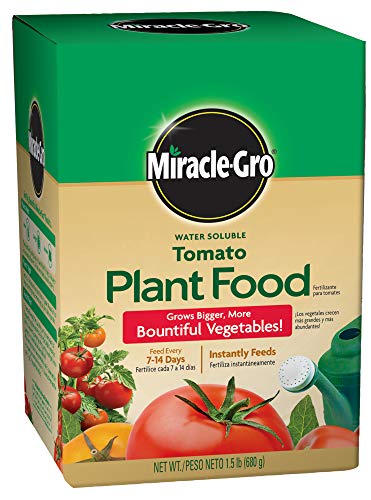
Miracle-Gro Water Soluble Tomato Plant Food is a fast-acting option designed to deliver nutrients directly to roots and foliage. This water-soluble formula is fed every 1-2 weeks, making it ideal for tomatoes and other vegetables in need of quick growth spurts. The product supports larger vegetables and improved overall yield compared with unfed plants, according to manufacturer claims. It’s a practical choice for busy gardeners who want reliable quick-release nutrition that’s easy to mix with water.
Miracle-Gro Shake ‘N Feed Tomato, Fruit & Vegetable

This Shake ‘N Feed product provides nourishment for up to three months, feeding both above and below soil. It includes calcium to help form stronger cell walls, which translates to better quality and longer-lasting fruits. Suitable for use with tomatoes, vegetables, and other garden staples, it supports in-ground and container plants, making it a versatile choice for mixed gardens. The extended feeding window reduces the need for frequent applications while maintaining steady growth.
Espoma Organic Tomato! Plant Food

Espoma’s Organic Tomato! Plant Food is a liquid fertilizer designed for organic gardening. It provides essential nutrients to support tomatoes and vegetables while being safe to use around kids and pets. The application is straightforward: mix half a cap per quart of water and thoroughly drench soil. For ongoing results, use every 2-4 weeks. The product emphasizes natural ingredients with visible benefits for soil life and plant health, aligning with organic growing practices.
Miracle-Gro Shake ‘n Feed Tomato, Fruit & Vegetable (4.5 lb)

This larger Shake ‘N Feed formulation extends the feeding period to around three months, nourishing tomatoes and other garden fruits and vegetables. It strengthens plant walls with calcium to help prevent common disorders linked to calcium deficiency, while feeding both roots and foliage. Its natural ingredients also contribute to soil microbial activity, supporting better nutrient availability and water efficiency. A strong pick for larger garden plots and containers requiring an extended feeding schedule.
True Organic Liquid Tomato & Vegetable Food

True Organic Liquid Tomato & Vegetable Food uses an exclusive Soy Protein Hydrolysate blend to improve plant and soil health naturally. It is versatile for both in-ground and container setups, indoors or outdoors, providing balanced nourishment designed to boost organic yields. This option appeals to gardeners prioritizing organic inputs and a nutrient profile that emphasizes plant-friendly, sustainable growth. Application frequency aligns with general feeding schedules for liquid fertilizers, typically every couple of weeks depending on plant vigor and stage.
Buying Guide
Key purchase considerations help compare tomato-focused plant foods across brands and formats:
- Feeding method: Liquid vs. granular formats affect ease of use and frequency. Liquids act quickly, while granules offer longer feeding windows.
- Nutrient balance: Look for N-P-K ratios suited to tomatoes (often higher phosphorus and potassium during fruiting). Calcium content helps reduce blossom end rot and strengthens fruit walls.
- Organic vs. synthetic: Organic options support soil life and are preferred for organic gardens, though they may act more gradually than synthetic blends.
- Soil life and microbes: Some blends include kelp, bone meal, or other natural inputs that support microbial activity and nutrient availability.
- Container versus in-ground: Ensure the product mentions compatibility with containers if you’re growing in pots, as this affects concentration and application frequency.
- Safety and usage: Organic formulations often emphasize kid- and pet-friendly safety; always follow label directions for dilution and application.
- Longevity window: Products labeled for up to 3 months reduce maintenance but verify how often you should reapply based on plant needs and climate.
How to Choose for Your Tomatoes
For tomato-focused needs, consider your growing setup, climate, and tomato varieties. In hot climates with heavy fruiting, a balanced fertilizer that provides steady calcium along with trace minerals can reduce common issues like cracking and blossom-end rot. If you prefer a quick response or rapid green-up, a water-soluble option used every week or two can provide visible growth spurts. Organic blends work well for those prioritizing soil health and long-term sustainability, though they may require more frequent feeding in certain conditions. Finally, larger bags or multi-month granular formulas are convenient for sizable plots that require less frequent attention.
Notes on Usage and Safety
Always read product labels for dilution rates, feeding frequency, and safety guidelines. When mixing liquids, wear gloves and use clean tools to prevent contamination. For container plants, ensure proper drainage and avoid over-fertilization, which can lead to salt burn or nutrient imbalances. Rotate products if you’re balancing multiple garden beds to prevent nutrient surpluses in any single area.