Codling moths are a persistent challenge for home fruit trees and small orchards. Using pheromone traps helps disrupt mating, monitor infestations, and reduce damage without heavy spraying. This guide highlights five effective pheromone-based traps, including a codling moth–specific option and other proven traps that protect stored foods, clothing, and laundry areas where moths often linger. Each product below is selected for reliability, pheromone potency, and user-friendly design to support integrated pest management in American homes and gardens.
| Product | Brand | Notes |
|---|---|---|
| VivaTrap VT-106 Codling + Oriental Fruit Moth Trap & Lure | VivaGrow | Codling moth and Oriental fruit moth target; long-life lure |
| Dr. Killigan’s Pantry Moth Traps (6 Pack) | Dr. Killigan’s | Pantry moths; kitchen and dry goods protection |
| Dr. Killigan’s Clothing Moth Traps (6 Pack) | Dr. Killigan’s | Clothes moths; closets, carpets, fabrics |
| MaxGuard Clothes Moth Traps (12+2 Free) | MaxGuard | Clothes moths; non-toxic, extra-strength pheromone |
| Briteen Pantry Moth Traps (10 Pack) | Briteen | Pantry and cupboard moths; eco-friendly, long-lasting |
Choosing the right pheromone trap depends on your infestation focus (codling moths vs. pantry or clothes moths), the area you’re protecting, and how often you want to monitor or refresh the attractants. The following sections break down each product’s strengths, how to place traps for best results, and practical tips for integrating traps into a broader pest-management plan.
VivaTrap VT-106 Codling + Oriental Fruit Moth Trap & Lure
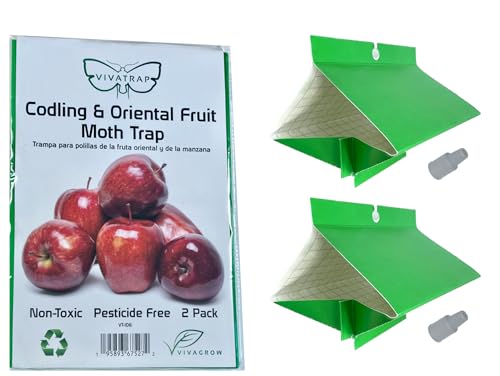
The VivaTrap VT-106 is designed specifically for codling moths and Oriental fruit moths, two major pests in temperate fruit trees. The trap uses a three-component pheromone attractant that targets both male and female codling moths as well as male Oriental fruit moths, increasing capture efficiency and reducing mating opportunities. The lure lasts up to eight weeks (roughly 60 days), providing extended protection without frequent replacement. This trap supports a proactive, low-spray approach for Apple, Crab Apple, Peach, Pear, Plum, and related fruit trees. Placement around the orchard perimeter and in canopy areas near fruit loads helps create a monitoring grid that can alert you to rising populations before damage occurs.
Key benefits include species-specific attractants (minimizing non-target catches), extended lure life, and a focus on major hosts in home orchards. For best results, pair with a regular scouting routine and use the trap as part of an overall IPM plan that includes sanitation and timely fruit drop management. Note that the product is designed for orchard use and may be especially effective in small-home or backyard settings where codling moth pressure is observed during the growing season.
Dr. Killigan’s Pantry Moth Traps (6 Count)

Dr. Killigan’s Pantry Moth Traps are a trusted choice for protecting dry goods in kitchens and pantries. These traps use a dual-potent pheromone system designed to attract Indian meal moths, Mediterranean flour moths, and other common pantry pests. The traps are designed to be placed in food-storage areas, shelves, and pantry corners to disrupt reproduction and reduce larval damage in cereals, grains, bird seed, pet foods, and similar items. The packaging emphasizes durability and ease of use, with a strong adhesive that helps capture moths once they are lured to the trap. They are not intended for clothing moths, which requires a different trap type and lure for effective control.
Practical deployment tips include positioning traps away from heat sources, replacing them every few months or as the pheromone activity wanes, and combining with good pantry hygiene (storing foods in sealed containers, promptly cleaning crumbs, and inspecting bulk purchases). This product is well-suited for homeowners who want an accessible, non-chemical approach to pantry moths while avoiding perfume-like sprays that can affect food scents and flavors.
Dr. Killigan’s Clothing Moth Traps (6 Pack)

These Dr. Killigan’s Clothing Moth Traps focus on two common clothes moth species: Web-Spinning Moths and Case-Making Moths. They are designed to be placed in closets, wardrobes, and storage areas where wool, cashmere, fur, carpets, and other fabrics are kept. The traps use a double-potent pheromone formula and a high-adhesion glue to attract and capture male moths, reducing mating opportunities and subsequent infestations. They are advertised as safe for households and effective in protecting fabrics from moth-related damage. Users should rotate traps seasonally and avoid using near heat sources that could degrade the pheromone release rate.
MaxGuard Clothes Moth Traps (12+2 Free)

MaxGuard Clothes Moth Traps deliver an extra-strength pheromone approach with a non-toxic, sticky adhesive. They are designed to monitor and control both Webbing Moths and Case-Bearing Moths in closets and on carpets. The product emphasizes safety for homes with children and pets because the traps rely on pheromones and glue rather than chemical sprays. The “12+2 Free” packaging provides extended coverage for larger spaces or multi-room wardrobes. For best results, place traps in areas with known activity or near vulnerable fabrics, and replace every few months as pheromone effectiveness declines or glue loses stickiness.
Briteen Pantry Moth Traps (10 Pack)

Briteen’s Pantry Moth Traps are designed to attract and trap pantry moths at a distance, using timed-release pheromones to disrupt mating without chemical pesticides. They’re intended for use in pantries, cupboards, and storage areas where dry goods are kept. The traps are described as long-lasting and capable of operating for several weeks to months, depending on storage conditions. The product notes that it covers food moth species and that relocation may be necessary if moth activity shifts across rooms. This option is suitable for households seeking a low-odor, non-toxic approach to pantry moth control with simple setup steps.
Buying Guide: Key Purchase Considerations And Comparisons
When selecting pheromone traps for codling moths or other moths, consider the following factors to optimize results:
- Target pests: Codling moths require traps with specific codling and oriental fruit moth attractants. For pantry or clothes moths, ensure the lure is tuned to the right species. Mismatch reduces effectiveness and wastes effort.
- Trap type and placement: Place traps where moths are most likely to encounter pheromones—along orchard borders, around fruit trees, in closets or near storage areas. Elevation and air flow influence trap catches; avoid placing traps in direct sun or near strong drafts.
- Lure longevity: Longer-lived lures reduce maintenance but may offer different catch rates. Follow manufacturer guidance for replacement intervals to maintain potency and avoid declining performance.
- Non-target catches: Species-specific attractants minimize non-target insects. This is especially important in gardens and homes with pollinators nearby.
- Integration with IPM: Traps are most effective when used as part of an integrated pest-management plan that includes sanitation, weather-aware monitoring, and, if necessary, selective insecticide use according to local guidelines.
- Safety and usage context: For homes with children and pets, non-toxic, glue-based traps are often preferable. Read labels to confirm suitability for indoor use and any handling precautions.
- Cost and coverage: Evaluate the number of traps needed for your space. Larger homes or multi-room storage areas may benefit from multi-pack offers, such as “12+2 Free,” to ensure continuous coverage.
In practice, begin with a codling moth–focused trap like the VivaTrap VT-106 if you’re managing fruit trees. For pantry and clothing moths, pairing dedicated pantry traps with clothing moth traps can create a comprehensive barrier across living areas, storage spaces, and the orchard-adjacent zones. Regular monitoring, record-keeping of trap catches, and timely trap replacement collectively enhance long-term control and reduce fruit damage and fabric losses.