Gardeners seeking effective pest control without synthetic chemicals can rely on organic pesticides that are safer for people, pets, and the environment. The following products are formulated to combat common garden pests and diseases while meeting organic standards. This guide highlights five reliable options, their key benefits, and how to choose the right one for your specific needs.
| Product | Brand | Type | Notes |
|---|---|---|---|
| Organic Laboratories Lab QT Organocide 3-in-1 Garden Spray | Organic Laboratories | Insecticide, Fungicide, Miticide | Broad spectrum, safe around harvest |
| Garden Safe 32 oz. Insecticidal Soap Ready-to-Use | Garden Safe | Insecticidal Soap | Direct-contact pest control, versatile |
| Garden Safe Fungicide3, 32 Fl oz | Garden Safe | Fungicide, Insecticide, Miticide | Neem oil-based, multi-purpose |
| Organic Laboratories 100-004 Organocide 3-in-1 RTU Garden Spray | Organic Laboratories | Insecticide, Fungicide, Miticide | OMRI-listed, soybean/sesame/oil blend |
| Earth’s Ally 3-in-1 Plant Spray 24 oz | Earth’s Ally | Insecticide, Fungicide, Miticide | Essential-oil blend, broad control |
By weighing pest targets, application flexibility, and organic-certification status, you can select products that fit your garden size, crop types, and local pest pressures. The table above highlights five strong candidates to consider in your organic gardening toolkit.
Organic Laboratories Lab QT Organocide 3-in-1 Garden Spray

Organocide offers a nature-safe option that acts as an insecticide and fungicide, effective against a wide range of insects and mites. Its formulation supports use in organic programs and has no re-entry time, making it convenient for harvest-time spray or indoor use. The product is EPA exempt and designed to pose minimal environmental risk.
Garden Safe 32 oz. Insecticidal Soap Ready-to-Use

This ready-to-use product requires direct contact with pests and is suitable for organic gardening. It is versatile for indoor, outdoor, and greenhouse use on vegetables, fruit trees, ornamentals, and more. It can be applied up to the day of harvest, offering flexibility for ongoing pest management without complex mixing.
Garden Safe Fungicide3, 32 Fluid Ounces

This 3-in-1 product combines fungicide, insecticide, and miticide action with neem oil extract. It targets several common garden problems, including fungal diseases like black spot, rust, and powdery mildew, while offering multi-pest control in organic settings.
Garden Safe Fungicide3, 1 Gallon

Published as a 3-in-1 option, this gallon-size formulation provides fungicide, insecticide, and miticide protection. Its active neem oil extract helps prevent fungal attacks and supports control of eggs, larvae, and adults on a variety of crops, making it a versatile choice for larger garden setups.
Organic Laboratories 100-004 Organocide 3-in-1 RTU Garden Spray
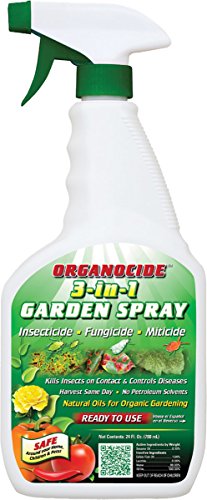
Organocide 100-004 is an OMRI-listed, nature-safe insecticide and fungicide formulated from soybean extract and sesame and fish oils. It is effective against a wide variety of insects, mites, and certain fungal diseases, making it a solid choice for organic production and home gardens alike.
AgroMagen GrowSafe Bio-Pesticide

Note: This product is included for reference as a comparison point. It targets specific pests like spider mites, whiteflies, and aphids using all-natural, organic ingredients designed for safe use in organic gardening. It emphasizes ease of mixing and compatibility with water without leaf burn or flavor changes in fruit.
Earth’s Ally 3-in-1 Plant Spray 24 oz
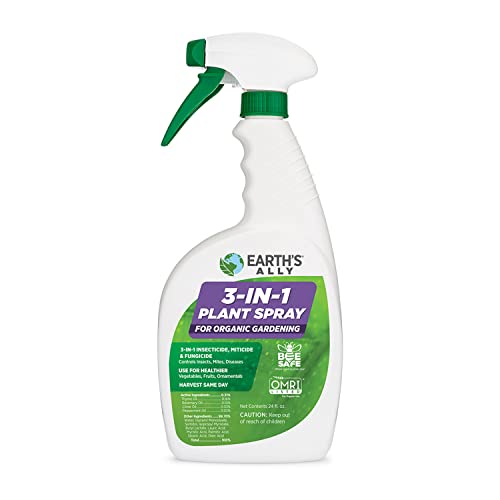
Earth’s Ally combines essential oils into a 3-in-1 spray to act as an insecticide, miticide, and fungicide. It is designed to kill and repel soft-bodied insects such as spider mites, aphids, and whiteflies while helping prevent powdery mildew, downy mildew, and other common diseases.
Buying Guide: Key Purchase Considerations
- Target pests: Match the product’s pest scope to your garden’s pressures—some formulations emphasize mites and aphids, others are broader against fungal diseases.
- Organic certification: Look for OMRI-listed or EPA-exempt labels to confirm suitability for organic gardening.
- Application method: Ready-to-use sprays offer convenience; concentrate formulas may require mixing but can cover larger areas.
- Safety and compatibility: Consider whether you need a product safe for harvest-time use or indoor applications; verify compatibility with edibles and beneficial insects where possible.
- Resistance and rotation: To prevent pests from adapting, rotate among products with different active modes of action over the growing season.
- Plant tolerance: Some oils or surfactants can cause leaf burn if misapplied; follow label instructions and test on a small plant patch first.
- Coverage and timing: Apply at recommended intervals and ensure thorough coverage, especially undersides of leaves where pests hide.
- Environmental impact: Favor formulations designed to minimize non-target effects and environmental persistence.
Choosing the right organic pesticide involves balancing pest control efficacy, crop safety, and organic compliance. For many home gardens, a combination approach—starting with a broad-spectrum option for early-season pressure and switching to targeted products for specific pests—delivers robust protection while maintaining organic integrity.