Gardeners seeking effective, organic solutions for aphid outbreaks can choose a range of ready-to-use sprays and concentrates. This guide highlights five products that target aphids and other common garden pests while remaining friendly to beneficial insects and the environment. Each section provides a quick look at the product, how it works, and the ideal use cases. The companion buying guide below covers key considerations to help you pick the right option for indoor, outdoor, and mixed-use gardens.
| Product | ||
|---|---|---|
| Bonide Captain Jack’s Neem Oil | Neem oil-based spray | Multi-age pests; disease prevention |
| ARBER Organic Insecticide Liquid Concentrate | Biological liquid concentrate | Early infestations; foliar protection |
| Earth’s Ally 3-in-1 Plant Spray | Botanical oil blend | Preventive and curative pest control |
| Safer 5118-6 Insect Killing Soap | Insecticidal soap | Soft-bodied insects; delicate plants |
| AgroMagen GrowSafe | Organic bio-pesticide | Aphids and mites in diverse settings |
Note: This article uses five products that emphasize organic or natural formulations suitable for American gardens. Each product page link is provided in the respective product sections below.
Bonide Captain Jack’s Neem Oil
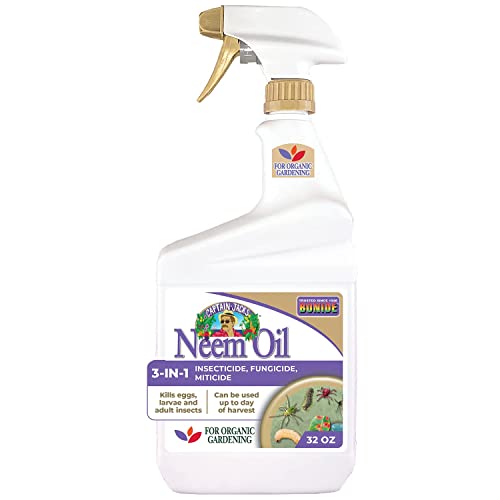
Bonide Captain Jack’s Neem Oil is a versatile, ready-to-use spray designed for organic gardening. It functions as a three-in-one fungicide, miticide, and insecticide, making it suitable for a wide range of plant health concerns. The product arrives ready to apply, and the included spray nozzle supports easy coverage up to the day of harvest. Neem oil targets multiple life stages of insects, helping to reduce aphids, mites, and other common pests while also limiting fungal issues on susceptible plants.
Key features include a multi-purpose formulation, garden-friendly usage, and broad-spectrum pest control. For aphids, the oil disrupts life cycles and suffocates soft-bodied insects, helping to protect foliage and prevent secondary infections. When used as part of an integrated approach, this product can support ongoing pest management without resorting to synthetic chemicals. Always test on a small leaf area before broad application to minimize any potential phytotoxic effects on sensitive plants.
ARBER Organic Insecticide Liquid Concentrate

This liquid concentrate by ARBER is powered by organic biologicals designed to disrupt pest life cycles while supporting a balanced microbiome in the soil. It targets aphids, whiteflies, mealybugs, spider mites, and other common aphids for quick knockdown on contact and ongoing protection. The formulation allows customizable dilution, enabling lighter mixes for routine maintenance and stronger ratios for flare-ups. It is suitable for both houseplants and garden beds, with emphasis on indoor and outdoor use.
Application considerations include dilution levels, plant compatibility, and timing. The concentrate penetrates foliage and rhizosphere to reduce pest populations while promoting plant vigor. It is important to follow label instructions for dilution, application intervals, and safety precautions. This product is designed to work as part of an integrated pest management plan, reducing reliance on harsher chemicals.
Earth’s Ally 3-in-1 Plant Spray

Earth’s Ally offers a 3-in-1 plant spray that acts as an insecticide, miticide, and fungicide using botanical oils. The product is OMRI-listed for organic use and is designed for both indoor and outdoor gardens. It is effective against soft-bodied insects including aphids, whiteflies, spider mites, and scale, while also addressing fungal diseases like powdery mildew and black spot. The spray is suitable for use on a wide range of plants, and it supports pollinator safety when used according to directions.
Operational considerations include frequency of application, spray coverage, and compatibility with flowering plants. Because it relies on botanical oils, it’s important to test on sensitive species and avoid excessive spraying during peak sun. The product can be part of a preventive strategy or used to control active outbreaks, offering a relatively gentle option for integrated pest management.
Safer 5118-6 Insect Killing Soap
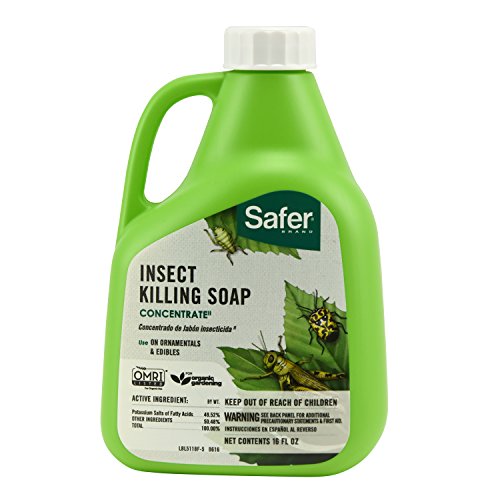
Safer 5118-6 Insect Killing Soap is an insecticidal soap concentrate designed for organic use. It provides a gentle, effective approach to controlling soft-bodied pests such as aphids, whiteflies, thrips, and spider mites. The formulation is designed to be safe for most plants when applied properly and can be used throughout the growing season. Regular applications at the first signs of damage can help maintain plant health without the risks associated with harsher residual pesticides.
Operational notes include thorough coverage of the leaf undersides and stems, with attention to flowering plants and new growth. The product’s soap base helps physically disrupt insect membranes, reducing populations while preserving beneficial organisms when used as directed. Since it is OMRI-listed, it aligns with many organic gardening standards, though some plants with sensitive foliage may require spot testing.
AgroMagen GrowSafe Bio-Pesticide

AgroMagen GrowSafe is an organic, ready-to-use bio-pesticide that targets mites, aphids, whiteflies, and powdery mildew. The formula emphasizes natural, food-based ingredients designed to be safe for garden ecosystems while suppressing pest populations. It’s designed for use on a range of crops and ornamentals in indoor and outdoor settings and aims to minimize residue while preserving plant quality and flavor. GrowSafe can be incorporated into regular pest management routines or used during outbreak periods.
Considerations include spectrum of activity, compatibility with beneficial insects, and seasonal timing. Because it relies on natural ingredients, results can vary with environmental conditions. It’s often advisable to rotate with other products to prevent pest resistance and to adhere to label directions for dilution and safe handling.
Buying Guide: Key Purchase Considerations
- Target pests and crops: Identify the pest species you confront (aphids, mites, whiteflies, etc.) and select products proven effective against those pests on the crops you grow.
- Mode of action: Consider oils and soaps for contact killing, biological concentrates for systemic or soil interactions, and multi-purpose formulas for integrated disease and pest management.
- Plant safety: Some oils and soaps may cause phytotoxicity on tender foliage or sunny days. Always test on a small area before broad application and follow label instructions for dilution and timing.
- Indoor vs. outdoor use: Indoor plants and greenhouse environments may benefit from milder, non-residual formulations, while outdoor gardens may tolerate stronger concentrates with proper coverage.
- Pollinator safety: Prioritize products labeled as safe for pollinators and apply during times when pollinators are less active if possible.
- Frequency and resistance management: For persistent outbreaks, rotate products with different active ingredients to reduce the risk of pest resistance and maintain efficacy over time.
- Omri and organic certifications: Look for OMRI-listed products or other organic certifications to ensure compatibility with organic gardening standards.
- Application convenience: Ready-to-use sprays are quick for spot treatment, while concentrates require dilution and may suit larger areas or regular maintenance schedules.
- Environmental impact: Consider products with lower environmental persistence and fewer synthetic additives to protect soil and beneficial organisms.
In choosing the right organic insecticide for aphids, balance immediate pest control with long-term garden health. The products listed above offer varied modes of action and application styles, allowing you to tailor a strategy that fits your plants, space, and gardener preferences.