For nutritious, home-grown sprouts, organic alfalfa seeds are a staple for many kitchen gardens. This guide highlights five top-rated organic alfalfa seed options that are popular with home sprouters in the United States. Each product emphasizes non-GMO, organic certification, and reliable germination, helping you grow fresh, crunchy alfalfa sprouts in just days. Read on to compare seeds, growing tips, and key considerations to choose the right package for your needs.
| Product | Brand | Size | Certification |
|---|---|---|---|
| NOW Foods Organic Alfalfa Seeds For Sprouting | NOW Foods | 12 oz | Organic, Non-GMO, Kosher, Soy Free |
| Sereniseed Organic Alfalfa Sprout Seeds | Sereniseed | 16 oz | Organic, Non-GMO, USA-sourced |
| USDA Organic Alfalfa Sprouting Seeds | TradeKing | 1 lb | USDA Organic |
| Handy Pantry Organic Alfalfa Sprouting Seed | Handy Pantry | 8 oz | Organic, Non-GMO |
| Todd’s Seeds Premium Alfalfa Sprouting Seeds | Todd’s Seeds | 1/4 lb | Chemical-free, USA-made |
Introduction: This selection focuses on organic alfalfa sprouting seeds that are easy to grow, store well, and deliver consistent germination. Each option emphasizes organic certification and strong germination potential, with notes on batch stability and flavor profile. Whether you’re new to sprouting or growing sprouts as a regular habit, these seeds offer dependable results and clean taste for salads, sandwiches, and health-focused meals.
NOW Foods Organic Alfalfa Seeds For Sprouting
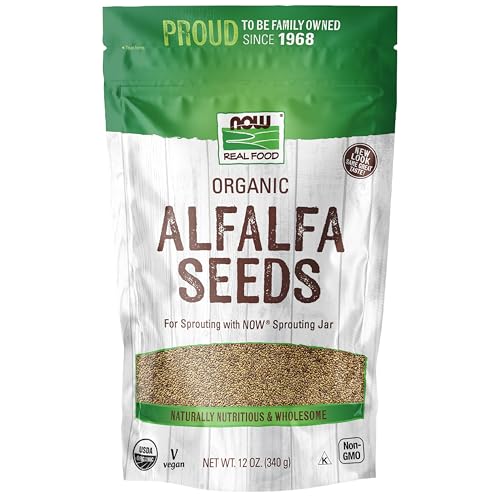
NOW Foods offers a reliable organic alfalfa seed for home sprouting. The seeds are grown in the USA, stored under germination-tested conditions, and prepared specifically for sprouting. They carry multiple certifications, including Organic, Non-GMO, Kosher, and vegan status, with allergen considerations such as Soy Free and Dairy Free. The packaging may vary, but the seed quality remains consistent, helping you achieve dense, green sprouts in about 4–6 days with proper rinsing and drainage. This option is well-suited for daily sprout production and family use.
Key considerations include the ease of germination, compatibility with common sprouting setups (glass jars or trays), and storage shelf-life. Since the seeds are certified organic and non-GMO, they appeal to health-conscious consumers seeking clean ingredients. The absence of gluten and other major allergens in typical kitchen inventories can be a plus for households managing dietary restrictions. Regular rinsing and airflow help prevent mold, ensuring successful harvests.
Nature Jims Sprouts Alfalfa Seeds

Nature Jims Sprouts markets a non-GMO organic alfalfa seed with a focus on beginner-friendly sprouting. The kit is designed to be easy to plant and maintain, with step-by-step instructions suitable for first-time sprouters. Their alfalfa seeds are packaged in a premium resealable bag, supporting freshness and long-term storage. The seeds are grown to be nutrient-dense and flavorful, offering a mild crunch that pairs well with salads, wraps, and microgreens routines. The company emphasizes a straightforward sprouting process and consistent germination rates.
From a quality perspective, these seeds are non-GMO with minimal additives, which is appealing for organic enthusiasts. Proper sanitation, clean storage, and consistent watering help maximize germination. The product is especially attractive for households building a regular sprout habit, as the resealable bag keeps seeds fresh between sprouting sessions. For best results, sprout in a cool, ventilated area and monitor for any signs of mold or excess moisture.
Organic Alfalfa Sprout Seeds (16 oz) Sereniseed

Sereniseed presents 16 ounces of organic alfalfa seed with a focus on purity and pathogen testing. The seeds are non-GMO and Oregon Tilth-certified organic in the USA, which is a strong signal for organic integrity. The batch is described as nutrient-dense, with folate and minerals that support overall health. Sereniseed also highlights stable climate-controlled storage, aiming to preserve germination rates over time. This option is well-suited for sprouters who want a longer-term supply for frequent harvests and microgreen projects.
Important considerations include source traceability, organic certification credibility, and storage practices that maintain seed viability. While the flavor profile of alfalfa sprouts is mild, Sereniseed emphasizes the health benefits and dependable germination. As with any seed, ensure proper rinsing, drainage, and airflow to prevent mold during the sprouting cycle. The product aligns with organic-food standards and is appropriate for health-conscious kitchens.
USDA Organic Alfalfa Sprouting Seeds
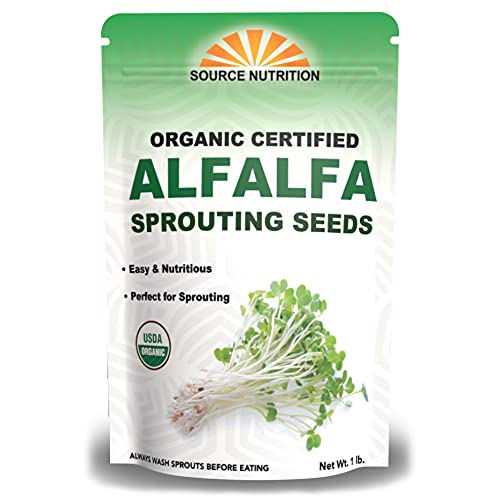
TradeKing’s USDA Organic Alfalfa Sprouting Seeds bring certified-organic assurance with practical sprouting guidance. The product is easy to grow in various setups, including microgreen trays and sprouting jars. Capable of germinating within about 5 days, these seeds yield fresh alfalfa sprouts rich in fiber and vitamins C and K while keeping calories low. The USDA Organic certification adds a level of trust for buyers seeking reliable organic sprouts. The packaging usually emphasizes clean ingredients and straightforward usage for both beginners and seasoned sprouters.
Key purchase considerations include certification credibility, germination speed, and compatibility with your sprouting method. Freshness and proper storage play a significant role in achieving reliable yields. This option is well-suited for homes prioritizing organic standards and consistent producing cycles, with an emphasis on simplicity and dependable results.
Handy Pantry Organic Alfalfa Sprouting Seed

Handy Pantry offers an organic alfalfa sprouting seed in a 2.5-pound option, highlighting Oregon Tilth certification and non-GMO status. This larger quantity is ideal for frequent sprouters or family households aiming to stock up. The seeds are described as easy to sprout, with a typical 5–6 day harvest window. The large bag format supports longer-term use, including commercial or bulk kitchen settings. The product’s storage-friendly packaging helps maintain freshness between sprouting cycles, provided it is kept sealed and in a dry place.
Key considerations include storage life, seed size consistency, and germination reliability in various sprouting setups. For households with high sprout demand, this option offers cost efficiency and consistent yields. As with any alfalfa seed, ensure proper rinsing and air circulation to minimize mold risk and ensure a crisp, mild flavor in the final sprouts.
Handy Pantry Organic Alfalfa Sprouting Seed – 8 Oz
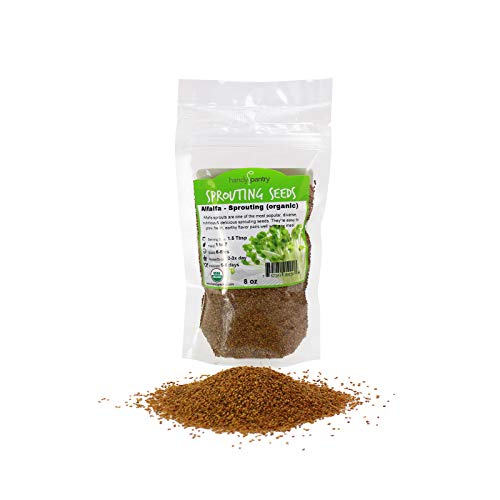
This 8-ounce Handy Pantry package emphasizes convenient, ready-to-sprout seeds with Oregon Tilth certification and non-GMO status. The seeds are designed for quick germination, typically within 5–6 days, and are suitable for sprouting jars, microgreens kits, or trays. The resealable pouch aids storage, helping to preserve germination potential between uses. The product is positioned as a reliable option for hobbyists and hobbyist aggregators who want a straightforward sprouting experience with clean organic seeds.
When evaluating this option, consider package size against your sprouting frequency and kitchen space. Regularly inspect seeds for moisture and avoid over-wetting to minimize mold risk. For many users, this is a balanced choice offering organic assurance, ease of use, and a manageable batch size for consistent harvests.
Todd’s Seeds Premium Alfalfa Sprouting Seeds
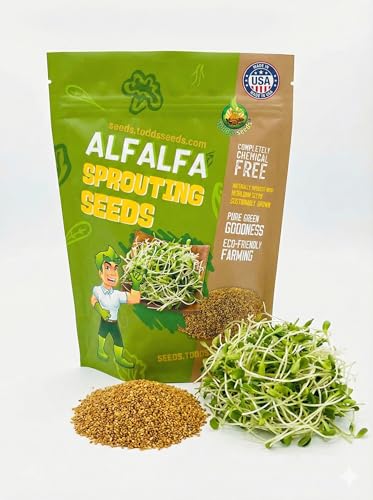
Todd’s Seeds presents premium, chemical-free alfalfa sprouting seeds with a focus on fast growth and high germination. The seeds are hand-packaged in the USA to ensure freshness, supporting a steady supply for regular sprouters. Alfalfa sprouts provide a sweet, nut-like flavor and a nutrient-rich profile, including vitamins A, B, C, E, and K. This option emphasizes reliability and quick harvests, appealing to cooks who want consistent results for weekly sprouts.
Critical purchase considerations include seed freshness, germination rate, and suitability for your sprouting setup. Todd’s Seeds positions itself as a USA-made option with a focus on high germination, which can help reduce sprouting time. As with all alfalfa seeds, sustained airflow and proper rinsing are essential to prevent mold and ensure crisp, tasty sprouts.
Buying Guide: Key Purchase Considerations
- Certification and sourcing: Look for organic certifications (USDA Organic, Oregon Tilth) and non-GMO status. Verify that seeds are grown in the USA when possible for consistent quality and regulatory alignment.
- Germination expectations: Most alfalfa seeds sprout in 4–6 days with regular rinsing. Consider batch freshness and storage conditions to maximize germination rates over time.
- Package size vs. usage: Choose a size aligned with your sprouting frequency. Small households may prefer 8–12 oz, while larger families or frequent sprouters may benefit from 1 lb or larger bags.
- Storage and shelf life: A resealable pouch or airtight container helps prolong freshness and germination potential. Store in a cool, dry place away from direct sunlight.
- Sprouting method compatibility: Ensure seeds work with jars, trays, or microgreen kits you own. Some seeds perform better with breathable sprouting systems to prevent mold.
- Flavor and texture: Alfalfa sprouts offer a mild, sweet crunch. If you plan to blend with other greens, consider seed quality and freshness to maintain flavor balance.
Depth considerations include consumer needs such as organic integrity, seed purity, and the desire for bulk options. For beginners, start with a small, organic, non-GMO option and gradually explore larger sizes as you become comfortable with the sprouting process. For experienced sprouters, options with longer storage life and consistent batch quality may be preferable. Across all choices, maintaining proper sanitation, rinsing, and air circulation is essential to successful alfalfa sprouting.