No maintenance grass seed is designed to establish quickly with minimal mowing, watering, and fertilizing. This guide highlights five top options that suit shady spots, drought tolerance, and pet-friendly yards. It targets buyers seeking a low-effort, sustainable lawn solution without synthetic inputs. The selections emphasize organic or low-input blends and are organized to help you choose the best fit for your climate and soil.
| Product | Best For | Key Benefit |
|---|---|---|
| Earthwise EcoSeed Grass Seed – No Mow | Low-maintenance, shade-tolerant lawns | Organic, chemical-free, pet-safe |
| JRK 4 Fescue No Mow Mix | Drought-prone or sandy soils | Best drought tolerance, easy ground cover |
| No Mow Lawn Grass Seed, Dwarf Fine Fescue Mix | Zone-specific cool-season lawns | Deep roots for drought resistance |
| Earthwise EcoSeed Alternative Lawn Seed | Shade and hard-to-grow areas | Dense ground cover with low water needs |
| Earthwise Low Grow No Mow Alternative Lawn Seed | Soft meadow-like look with minimal mowing | Clover and fine fescue blend for soil health |
Below are five no-maintenance grass seed options with concise highlights to aid quick comparison. Each product section explains who it is best for, why it’s a fit, and a practical drawback to consider.
Earthwise EcoSeed Grass Seed – No Mow
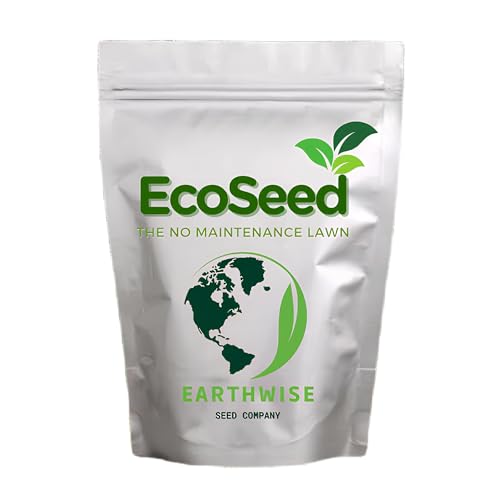
Best for: Homeowners seeking a chemical-free, pet-friendly lawn with shade tolerance. This cool-season fine fescue mix is designed to grow low and dense for a soft, natural look and requires minimal mowing after establishment.
Why selected: It is organic, non-GMO, and free from pesticides or synthetic fertilizers, aligning with low-input lawn goals and safety for families and pets.
Limitation: Performance may be optimized in partial sun; full sun in cooler climates works best, so consider sun exposure when planning installation.
JRK 4 Fescue, Low Grow No Mow Mix
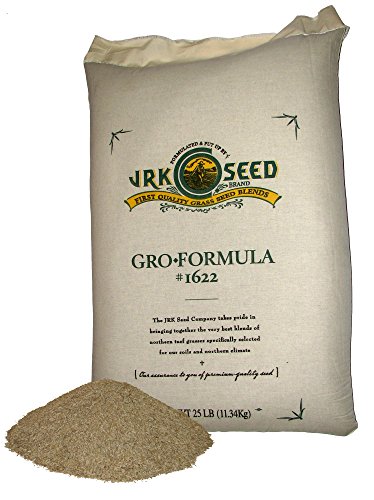
Best for: Drought-prone or sandy soils where minimal mowing is desired. This mix emphasizes drought tolerance and ground-cover capability with little maintenance required.
Why selected: It is a practical choice for tough soil and climate conditions, delivering dense coverage with reduced irrigation needs.
Limitation: Best results come from well-prepared bare ground; thin or uneven soil may require initial preparation for even emergence.
No Mow Lawn Grass Seed, Dwarf Fine Fescue Mix

Best for: Zones 4–7 seeking a drought-tolerant, low-maintenance lawn with deep roots. This dwarf fine fescue mix is suited for cool-season lawns with reduced mowing needs.
Why selected: The blend emphasizes deep rooting and drought resilience, supporting longer intervals between waterings after establishment.
Limitation: As a cool-season mix, performance is strongly seasonal; heat may stress the lawn in hotter regions.
Earthwise EcoSeed Alternative Lawn Seed
Best for: Homeowners needing a no-mow option that thrives in shade and hard-to-grow areas. This blend combines Creeping Red, Chewings, and Sheep Fescue for dense coverage with lower water needs.
Why selected: It is explicitly designed for low upkeep and shade tolerance, offering a natural lawn feel without routine fertilization.
Limitation: May not look like a traditional lawn when compared to pure turf grasses, as the mix leans toward ground cover with a soft meadow look.
Earthwise Low Grow No Mow Alternative Lawn Seed
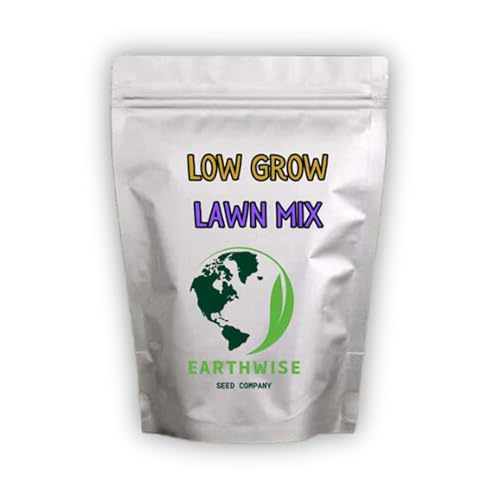
Best for: Those seeking a meadow-like lawn with less mowing and reduced irrigation. The blend includes fine fescue and clover to promote soil health.
Why selected: This option emphasizes soil benefits and a less conventional lawn look, which can still meet low-maintenance goals and support biodiversity.
Limitation: It may not satisfy buyers who want a traditional uniform turf; the appearance is more natural and varied due to clover inclusion.
Buying Guide: No-Maintenance Grass Seed Picks
What should you consider when choosing no-maintenance seed blends?
- Shade tolerance: If you have partial sun or full shade, prioritize blends marketed for shade tolerance and dense understory coverage.
- Water needs: Look for drought-tolerant mixes that reduce irrigation after establishment. Fine fescues typically perform well with less water.
- Soil preparation: Some no-mow blends still require initial soil preparation for best germination and even growth.
- Organic and safety factors: If chemical-free lawns are important, favor organic, non-GMO seeds with minimal or no pesticides.
- Lawn appearance: Clover-containing mixes deliver a meadow-like aesthetic; traditional turf blends aim for a uniform green carpet.
Practical tips for installation and maintenance
- Follow seed-to-soil contact: Lightly rake or roll to ensure good seed-to-soil contact for germination.
- Watering window: In the first 2–4 weeks, maintain consistent moisture without overwatering to prevent seed washout.
- Spacing expectations: No-mow or low-grow blends can take longer to establish than high-traffic turf grasses; plan for gradual coverage.
- Weed management: Limit weed competition during establishment; after establishment, reduced maintenance helps weed suppression through dense growth.
FAQ
- Q: Are no-maintenance seeds truly maintenance-free? A: They minimize mowing, watering, and fertilization after establishment but still require initial preparation and proper care during germination.
- Q: Which seed is best for shady areas? A: Blends marketed for shade tolerance, such as eco-seed fine fescue mixes, are typically best for partial sun to full shade.
- Q: Can I use these seeds in zones 4–7? A: Many cool-season blends perform well in these zones; check the seed’s climate suitability on the product page.
- Q: Do these seeds require fertilizers? A: Most no-mow blends are designed to minimize fertilizer use, especially organic options; follow zone-specific recommendations if necessary.
- Q: Is clover-inclusive seed better for soil health? A: Clover can fix nitrogen and improve soil structure, but it yields a different lawn look than pure grass blends.
- Q: How long does it take to establish a no-maintenance lawn? A: Establishment times vary by blend and climate but expect several weeks to months for dense coverage depending on conditions.