Choosing the right nitrate filter media can help maintain stable water conditions and clear aquariums. This guide highlights five effective nitrate-reducing products, detailing their key features and suitability for freshwater and saltwater setups. Each option is designed to reduce nitrate buildup, improve water clarity, and support healthy fish and plants. Review the selections below to identify the best fit for your filtration system and tank size.
| Product | Brand | Size / Type | Primary Benefit |
|---|---|---|---|
| API NITRA-ZORB SIZE 6 | API | Filtration Pouch | Removes ammonia, nitrite, and nitrate |
| PENN-PLAX Nitrate Reducer Pad | Penn-Plax | 10″ x 18″ | Traps nitrates and keeps water crystal clear |
| Treela Nitrate Remover Pad 4.53 x 39.37″ | Treela | Large pad | Cut-to-fit nitrate reduction; supports multiple filter compartments |
| Fluval ClearMax Phosphate Remover | Fluval | 100-gram nylon bags, 3-pack | Absorbs phosphate, nitrite, nitrate; improves clarity |
| SunGrow Aquarium Resin Filter Media | SunGrow | Resin media in mesh bag | Removes ammonia, nitrite, nitrate; enhances water clarity |
API NITRA-ZORB Size 6 Aquarium Filter Pouch

The API NITRA-ZORB filtration pouch removes substances that are harmful to fish, including ammonia, nitrite, and nitrate. This media is designed for use in canister and other compatible filters, helping to maintain safer water chemistry and clearer aquarium water. It is especially helpful in new tanks or after water changes when nitrate levels may spike. For best results, monitor nitrate levels and replace media according to your tank’s bioload.
PENN-PLAX Nitrate Reducer Filter Pad

These 10” x 18” nitrate reducer pads are infused with natural mineral powder and are trim-to-fit for various filtration setups. They trap particulates and help regulate nitrate levels, contributing to clearer water in both freshwater and saltwater tanks. Rinse prior to use and replace the media every 4–6 weeks for consistent performance. The pads are suitable for a wide range of filtration systems, including sumps and canister filters.
Treela Nitrate Remover Pad 18×10
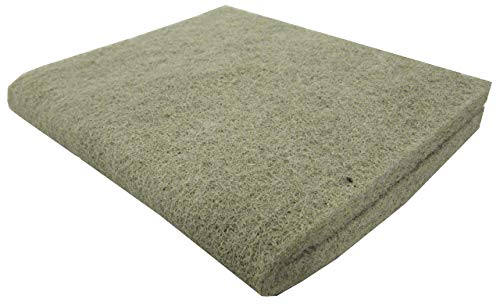
This premium nitrate reducer pad is designed to fit many filtration compartments with an 18×10″ size. It reduces nitrate buildup in fresh and saltwater aquariums and can be layered with smaller pads or carbon for a comprehensive filtration system. Its thick, rigid construction helps it hold shape longer and supports extended media life in wet/dry systems and sumps.
Fluval ClearMax Phosphate Remover
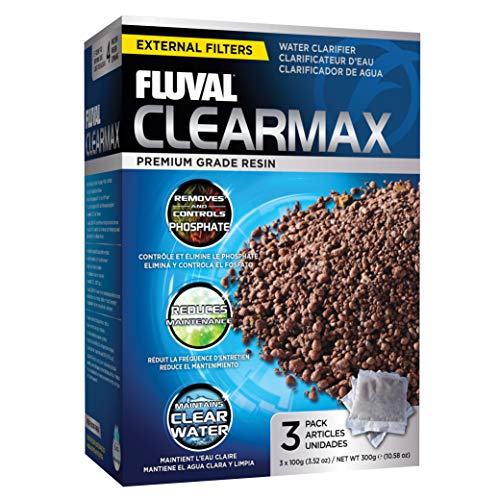
ClearMax is a resin-based chemical filter media designed for Fluval canister filters and similar systems. It absorbs phosphate, nitrite, and nitrate to help reduce odors and improve water clarity. It’s compatible with a wide range of Fluval filter models, making it a convenient option for Fluval users seeking chemical filtration to combat nitrate-related issues.
SunGrow Aquarium Resin Filter Media

SunGrow resin media is designed to remove ammonia, nitrite, and nitrate, while also assisting in clarifying water when used in a mesh bag in the filter. The product is suitable for freshwater and saltwater tanks and is often used to polish water after primary filtration. Placing resin media in the filter path can contribute to more stable water chemistry and easier maintenance.
Buying Guide: Nitrate Reduction Considerations
- Tank type and bioload: Freshwater and saltwater tanks have different nitrate production rates. Choose media sized for your tank and bioload to avoid frequent replacements.
- Filter compatibility: Many media are designed for specific filter types (canister, HOB, sump). Verify fit before purchasing.
- Media composition: Nitrate reduction can involve resin, mineral-infused pads, or layered carbon/media. Consider a multi-media approach for broader filtration.
- Maintenance schedule: Regularly rinse or replace media as recommended to maintain effectiveness and water flow.
- Water chemistry goals: If nitrate is paired with phosphate control, combining media that targets both compounds can streamline maintenance while improving clarity.
- Cost vs. lifespan: Some media require more frequent changes; balance upfront cost with replacement intervals for long-term savings.
- System size and space: Large pads or dense resins might impact flow; ensure your pump and filter can handle the increased media load.
- Environmental considerations: For sensitive species, aim for gradual nitrate reduction and avoid sudden chemical shifts that stress aquatic life.