Finding a natural fungicide that protects your lawn without relying on harsh chemicals is a top concern for many homeowners. The following selections emphasize organic or botanical ingredients, broad-spectrum disease control, and ease of use for both beginner and seasoned lawn care enthusiasts. This guide highlights five products with clear botanical or natural formulations, practical coverage, and trusted brands.
| Product | Brand | Key Benefit |
|---|---|---|
| Organic Fungicide Liquid Concentrate | ARBER | Organic protection for plants and lawn fungi, soil health benefits |
| Gravex 20EW Fungicide | Atticus | Systemic control with curative and preventive action |
| Scotts DiseaseEx Lawn Fungicide | Scotts | Prevents and treats multiple lawn diseases, quick action |
| Garden Friendly Biological Fungicide | Southern Ag | Biological approach for lawn and garden diseases |
| Artavia 2 SC Azoxystrobin Fungicide | Atticus | Broad-spectrum protection from root to leaf |
Organic Fungicide Liquid Concentrate For Lawn

ARBER’s Organic Fungicide Liquid Concentrate is designed for both indoor and outdoor use, including lawns. It targets common diseases such as powdery mildew, root rot, and leaf spot, while promoting healthier plant growth and improved soil health. The fungicide provides a natural approach to lawn fungus treatment and can help reduce mushroom growth and other fungal issues on turf. This product is marketed as certified organic and emphasizes long-lasting protection against disease stresses for thriving lawns and plants.
Captain Jack’s Copper Fungicide (Organic Garden Use)

Bonide Captain Jack’s Copper Fungicide is a ready-to-use liquid copper product approved for organic gardening. It offers broad disease control and can be used up to the day of harvest for edible crops, making it a flexible option for disease management on lawns and ornamental areas. Copper fungicides are well-known for their preventative capabilities against a wide range of fungal diseases, including blight, powdery mildew, and leaf spots.
Gravex 20 EW Fungicide

Gravex 20 EW Fungicide by Atticus contains 19.7% myclobutanil, delivering both curative and preventive fungus control. It targets a broad spectrum of turf and ornamental fungi, including brown patch, anthracnose, rusts, powdery mildew, and scab. The product emphasizes lasting protection by moving through plant tissue, offering root-to-leaf defense for lawns, landscapes, and greenhouses. This systemic action helps reduce recurring fungal issues when applied according to label directions.
Scotts DiseaseEx Lawn Fungicide
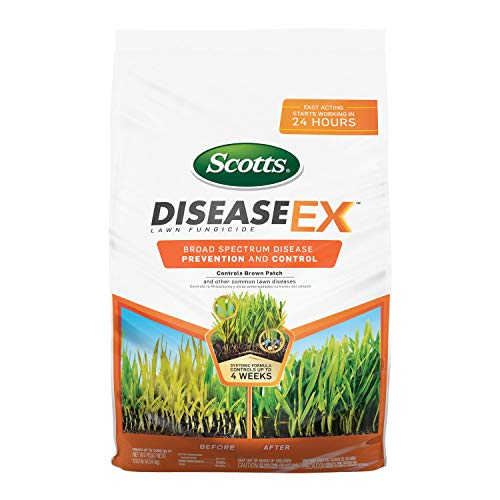
Scotts DiseaseEx Lawn Fungicide is designed to prevent disease before it appears and treat symptoms at the first sign. It covers 26 listed lawn diseases, including brown patch, rust, and powdery mildew. The product claims rapid action, with visible results within 24 hours of application and continued protection for up to four weeks, making it a practical option for active lawns prone to fungal issues.
Southern Ag Garden Friendly Biological Fungicide
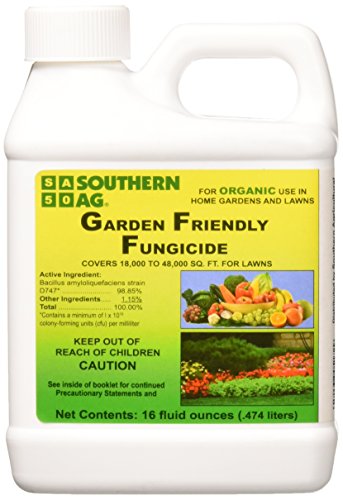
Southern Ag Garden Friendly Biological Fungicide emphasizes a biological approach to fungal control, suitable for lawns and garden settings. As a 16-ounce option, it aligns with environmentally conscious care and reduces reliance on synthetic chemicals. This product is positioned for users seeking a microbial-based solution that works in harmony with existing lawn ecosystems while addressing common lawn fungi.
Plant Disease Control Spray – Thyme Oil

FortaGrow’s Plant Disease Control Spray uses thyme oil as the active ingredient. This natural botanical formulation defends against powdery mildew, botrytis, anthracnose, and similar foliar diseases. It is marketed as safe for indoor and outdoor use and is described as family and pet friendly when used as directed. The product focuses on stopping diseases on contact with a plant-based, scent-driven antifungal approach.
Infuse Systemic Disease Control
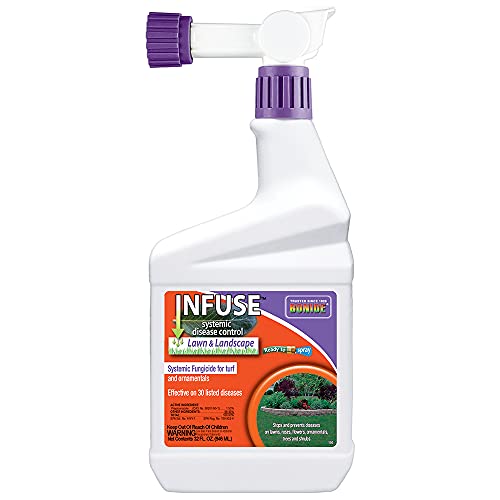
Bonide Infuse Systemic Disease Control is a 32-ounce ready-to-spray solution designed for turf and ornamentals. It provides systemic disease control, aiming to protect roses, flowers, lawns, trees, and shrubs from rust, blight, powdery mildew, scab, and more. The product emphasizes broad-spectrum systemic action, allowing it to address a wide range of listed diseases across lawn and landscape targets.
Azoxystrobin Fungicide – Artavia 2 SC

Artavia 2 SC Azoxystrobin Fungicide provides root-to-leaf protection with systemic movement inside the plant. It targets more than 20 turf and 30 ornamental fungi, including anthracnose, leaf spot, rhizoctonia, brown patch, and rusts. The product emphasizes total plant defense, extending protection from roots to new growth and relying on azoxystrobin to control both foliar and soil-borne fungi.
Buying Guide: Key Purchase Considerations And Comparisons
- Active ingredient and mode of action: Natural and botanical options often rely on essential oils or microbial activity, while systemic products rely on penetrative actives like myclobutanil or azoxystrobin. Consider whether you need preventative protection, curative action, or both.
- Target diseases: Identify the most common lawn diseases in your area (brown patch, rust, powdery mildew, leaf spots, etc.) and choose products with proven efficacy against those fungi.
- Safety and pets/children: If you have kids or pets, prioritize products marketed as pet-friendly or safe for indoor/outdoor use with clear direct application guidelines. Read label directions for re-entry intervals and residual effects.
- Environmental impact: Biological fungicides and plant-derived oils generally have a lower environmental footprint. Copper-based products offer broad protection but may affect soil microbiology with repeated use.
- Ease of use and coverage: Check application rates, spray volume, and coverage area to ensure the product fits your lawn size and labeled usage. Ready-to-spray formulations can save time for large lawns.
- Combination potential: Some products serve dual roles (prevention and cure) and can be used across lawn, ornamentals, and container plants, simplifying multi-site disease management.
- Label and safety compliance: Always follow the product label for mixing, dilution, application timing, and compatibility with irrigation or fertilizer programs to avoid phytotoxicity.
- Cost-effectiveness: Compare the price per use and per square foot coverage. Systemic products may offer longer-lasting protection, while biologicals may require more frequent applications.