The best fuel efficient lawn mower is the one that fits your yard size, terrain, and preferred power source while cutting energy waste. This guide highlights five top picks that balance efficient performance with practical features for American homeowners. Whether you want gas propulsion for larger, sloped lawns or quiet electric operation for small to medium lawns, these models are chosen for efficiency, reliability, and ease of use. Below you’ll find concise comparisons, who each mower is best for, and practical buying tips to help you decide.
| Product | Power Type | Best For | Key Efficiency Feature |
|---|---|---|---|
| 21” Self-Propelled Gas Lawn Mower (Gasxcel) | Gas | Larger yards, slopes | 170cc engine, 4-in-1 cutting system |
| AMERISUN 21-Inch Self-Propelled Gas Lawn Mower | Gas | Medium to large yards | 170cc OHV engine, 3-in-1 mulching/side/rear bag |
| AMERISUN 14-Inch Corded Electric Lawn Mower | Electric | Small to medium yards | 12.5A motor, 6-height options, 10-gallon bag |
| EWORK 40V Electric Lawn Mower | Electric | Small to medium yards, quiet operation | Dual 20V 4.0Ah batteries, 6-height settings |
| MZK 40V 16″ Electric Lawn Mower | Electric | Small to medium yards, battery convenience | Two 40V 4.0Ah batteries, 2-in-1 design |
In the sections that follow, each mower is evaluated for who it’s best for, why it’s a good pick for efficiency, and any practical limitations. Use these snapshots to compare how each option handles energy use, runtime, and mowing tasks in typical U.S. backyards.
21” Self-Propelled Gas Lawn Mower by GasXcel

Best for: Large yards with slopes or thick grass where a self-propelled gas unit can maximize efficiency on challenging terrain. This mower uses a 170cc OHV engine designed for fuel efficiency and smooth operation. The model includes a 4-in-1 cutting system that supports mulching, rear bagging, side discharge, and rear discharge, which helps adapt to different mowing needs without extra gear changes. The 8″ front and 10″ rear wheels improve traction, contributing to steadier, more efficient mowing on uneven ground. A 65L (approximately 17.5 gallons) grass bag reduces the number of emptying stops during extended sessions.
Why chosen for efficiency: The engine’s design emphasizes consistent power with a focus on minimizing fuel consumption for standard yard work. The self-propelled mode reduces bodily effort on slopes, enabling faster completion with less fatigue. The combination of multiple cutting options and larger wheels helps maintain steady pace and less backtracking on challenging lawns.
Limitations to consider: Gas engines require fuel management and periodic maintenance. If you frequently encounter flat or small lawns, the gas engine may feel heavier and less efficient in runtime compared to electric options. This model is best used where a gas-powered solution is advantageous for size or terrain.
AMERISUN 21-Inch Self-Propelled Gas Lawn Mower
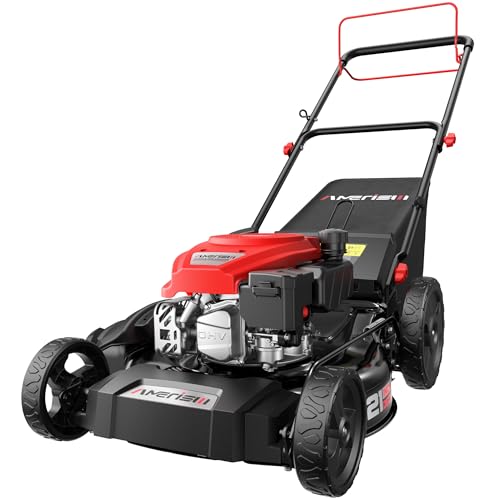
Best for: Homeowners with medium-to-large yards who want a high-capacity, versatile gas mower. This model uses a 170cc 4-stroke OHV engine and offers a 3-in-1 mowing system that includes mulching, side discharge, and rear bagging. The high-wheel design with 10″ rear wheels and 7″ front wheels enhances maneuverability across uneven surfaces and hilly sections, improving energy efficiency by reducing the need for repeated passes over tough terrain.
Why chosen for efficiency: The self-propelled mechanism reduces effort on demanding terrain, while the 3-in-1 option provides flexible clippings management. The engine is designed for reliable performance without excessive fuel consumption per mowing session, making it suitable for routine lawn care. This mower is a solid option when you value capability and consistent power for larger yards.
Limitations to consider: Gasoline engines require ongoing maintenance and fuel purchases. For smaller yards or noise-sensitive environments, an electric model may offer lower operating costs and less maintenance.
AMERISUN 14-Inch Corded Electric Lawn Mower

Best for: Small to medium lawns where quiet operation, minimal maintenance, and corded power are preferred. This mower uses a 12.5-amp motor and offers 6-position height adjustment for precise grass length control. The 14-inch deck keeps the unit compact and easy to maneuver in tight spaces, and the 10-gallon grass catcher supports longer mowing sessions without frequent emptying. It also includes a mulching capability to redistribute clippings for healthier soil.
Why chosen for efficiency: The electric drive eliminates fuel usage, oil changes, and exhaust, translating into lower operating costs and minimal environmental impact. The 6-height options enable efficient adaptation to seasonal growth and lawn aesthetics. The 14-inch deck is optimized for efficiency in smaller spaces where larger decks might be cumbersome.
Limitations to consider: Being corded means you need access to an outlet and a cord management plan; avoid using on very large properties or areas with lots of extension cords to minimize downtime. The 14-inch deck is best for compact lawns rather than expansive properties.
EWORK 40V Electric Lawn Mower

Best for: Users seeking a lightweight, quiet battery-powered mower for small yards. The EWORK model runs on two 20V 4.0Ah batteries, delivering a robust 3800 RPM motor for capable cutting performance. The design emphasizes ease of use and quick setup, with 6-height settings to tailor grass length. Its compact profile and lighter weight help minimize operator fatigue during longer sessions.
Why chosen for efficiency: Dual-battery operation reduces downtime by swapping depleted packs for full ones, enabling longer mowing sessions without a single recharge. The lithium-based system provides a balance between runtime and portability, reducing fuel and emissions associated with gas-powered models. The mower is a practical option for energy-conscious homeowners with smaller lawns seeking quiet operation.
Limitations to consider: Battery runtime depends on grass conditions, terrain, and cutting height. For larger properties, you may need additional battery packs or a larger electric model with extended runtime.
MZK 40V 16″ Electric Lawn Mower
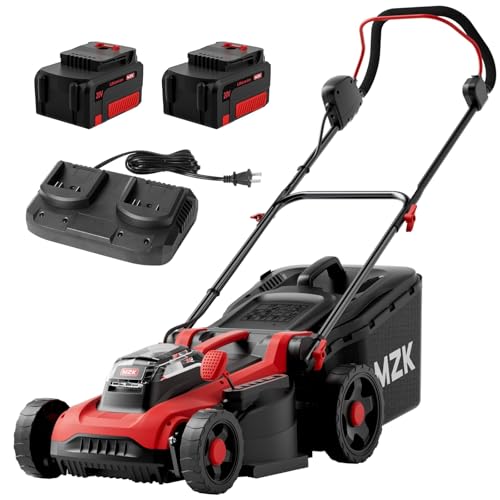
Best for: Small to medium yards where a pair of batteries and a 16-inch deck offer practical efficiency and flexibility. This 2-in-1 mower supports mulching or rear bagging, with a 5-position height adjustment. The two 40V 4.0Ah batteries extend runtime and allow operation without frequent recharging. It’s a straightforward, lightweight pick for balanced performance and ease of maintenance.
Why chosen for efficiency: The brushless motor reduces wear and energy loss, while the two-battery setup minimizes downtime between sessions. The 16-inch width provides a productive mowing footprint without sacrificing agility in tight spaces. It’s a compelling option for users who want cordless convenience with dependable performance.
Limitations to consider: Runtime is influenced by grass conditions and height. For very large lawns, you may prefer a larger cutting deck or a higher-capacity gas option to reduce interruptions for battery swaps.
Buying Guide: How to Choose the Most Fuel Efficient Lawn Mower for You
What yard size and terrain will you mow?
Gas mowers with larger cutting decks and self-propel features perform best on big properties or uneven terrain, reducing re-dos and fatigue. Electric mowers excel for small-to-medium yards, where quiet operation and minimal maintenance matter most.
Power source trade-offs
Gas engines deliver sustained power for tough growth and slopes but require fuel and maintenance. Corded electric mowers avoid batteries and recharge downtime but are limited by cord length. Cordless electric mowers offer mobility with battery swaps, but runtime depends on battery capacity and grass density.
Cutting width, height, and clippings handling
A wider deck cuts more quickly but can be tougher to maneuver in tight spaces. Look for adjustable height controls to match seasonal grass growth. Mulching capabilities return nutrients to the lawn, while bagging offers tidier results and easier cleanup.
Portability and ease of use
Heavier gas mowers may be harder to push on slopes. Lighter electric models reduce fatigue but may require more frequent maintenance and battery management. Self-propelled features add efficiency on challenging lawns.
Maintenance and long-term costs
Gas mowers incur ongoing fuel and oil costs, plus occasional part replacements. Electric mowers have lower ongoing fuel costs but require battery care and eventual battery replacement. Weigh total ownership over several mowing seasons when evaluating efficiency.
Safety and user considerations
Check safety features such as blade brake, smart starting systems, and blade height locks. Ensure cords and battery packs are stored safely and age-appropriate for household members.
Which model stands out for efficiency?
For larger yards with slopes, a high-wheel, self-propelled gas mower tends to be most efficient in practice, reducing operator effort and time. For small-to-medium yards, electric options—especially those with dual batteries or efficient brushless motors—often deliver superior energy efficiency with lower emissions and less maintenance.
Quick comparison recap
- GasXcel 21” Gas: Best for large, uneven yards with a broad cutting system.
- AMERISUN 21” Gas: Strong all-around performer for large properties; versatile 3-in-1 system.
- AMERISUN 14” Corded Electric: Best for small yards with corded power and low upkeep.
- EWORK 40V: Lightweight cordless option with dual batteries for extended sessions in small yards.
- MZK 40V 16″: Balanced cordless option with two batteries and 2-in-1 functionality.
Frequently Asked Questions
- What makes a lawn mower fuel efficient?
- Are electric mowers truly eco-friendly?
- How do I choose between corded and cordless electric mowers?
- What is the best mower for hills?
- Can mulching be more efficient than bagging?
- Do battery mowers require special maintenance?
Efficiency comes from engine design, cutting width, blade performance, and drive system that minimize operator effort and energy waste.
Yes, because they reduce fuel emissions and often require less maintenance, though battery production and disposal are considerations.
Corded mowers are reliable for constant power in smaller yards; cordless mowers offer mobility for medium yards but rely on battery runtime.
Self-propelled gas mowers with high-wheel designs typically perform best on hilly terrain, reducing user fatigue on inclines.
Mulching can improve soil health and reduce the need for bagging, saving time by reusing clippings as natural fertilizer.
Keep batteries charged, store in cool conditions, and follow manufacturer guidelines for charging and disposal to maintain efficiency over time.