Varroa mites are a major threat to honey bee colonies. This guide highlights top mite control options that balance effectiveness with bee and honey safety. Each product is backed by practical beekeeping experiences and widely used by both hobbyists and professionals. Review the options, consider your hive setup, and choose treatments that fit your management style and honey production needs.
| Product | Brand | Form | Key Benefit |
|---|---|---|---|
| Apiguard – Natural Varroa Mite Treatment | VITA BEEHEALTH | ||
| Varroxsan Oxalic Acid Strips | VITA BEEHEALTH | ||
| Apivar Strips | Foxhound Bee Company | ||
| Mann Lake HopGuard 3 | Mann Lake | ||
| Mann Lake Formic Pro | Formic Pro |
Note: Always follow label directions and local regulations when applying treatments. Consider rotation strategies to prevent mite resistance and to protect bee health during honey flow and brood rearing.
Apiguard – Natural Varroa Mite Treatment

Apiguard uses plant-based thymol to provide a professional-grade, natural varroa mite treatment. It is trusted by beekeepers globally for reducing mite counts while preserving hive health. The gel technology enables a controlled release of thymol, delivering consistent vapor over time. Treatment timing is flexible, with no strict temperature or feeding requirements, allowing application when supers are off. This option is bee-friendly and suitable for organic-minded operations seeking a natural approach without chemical residues in honey.
Varroxsan Oxalic Acid Strips – Slow-Release
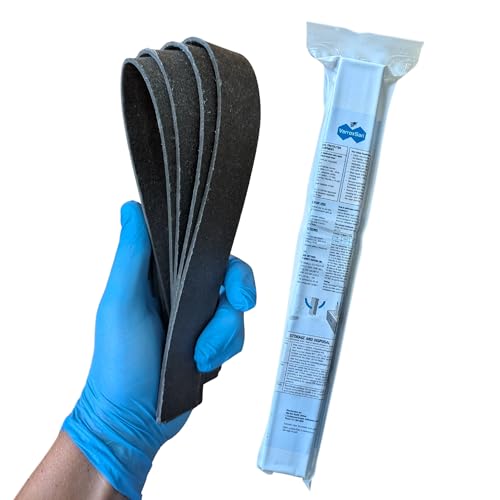
These oxalic acid strips provide long-term mite control with a 6–8 week release. They are designed for easy placement between frames and require no mixing or reapplication. The formulation is bee-friendly, safe for brood and queens, and compatible with honey supers. This option is well-suited for beekeepers seeking a low-maintenance, residue-conscious approach, especially during broodless periods or in colder climates when oxalic acid efficacy is higher.
Apivar Strips Varroa Mite Treatment

Apivar Strips offer a widely used, year-round varroa control method. The product uses amitraz in a slow-release design, delivering high mite removal efficiency when used correctly. It is compatible with active colonies at any time of the year and does not require specific airflow or temperature conditions. This makes Apivar a versatile option for both backyard and commercial operations seeking strong, consistent mite suppression.
Mann Lake HopGuard 3

HopGuard 3 employs hop compounds to control Varroa mites with a focus on preserving honey and wax integrity. It’s designed for universal hive compatibility, including Langstroth, top bar, mating nucs, and other setups. The product emphasizes natural-based control with broad operational flexibility, making it a practical choice for diverse apiaries facing variable weather and hive configurations.
Varroxsan Oxalic Acid Strips – 60 Strips

This 60-strip package provides extended coverage for mid-sized to larger apiaries. The oxalic acid strips deliver long-term mite suppression across several weeks and require no mixing. The formulation is designed to be safe for bees, brood, and queens, with compatibility during honey flow phases. For beekeepers managing multiple colonies, this option supports flexible scheduling and consistent results with minimal handling.
Buying Guide: Key Purchase Considerations
- Colony life stage and brood presence: Some treatments are more effective during broodless periods, while others can be used year-round. Plan applications around brood cycles to maximize mite knockdown.
- Formulation and visibility of residues: Natural thymol and oxalic acid options minimize honey residue risks, but always verify label guidance to ensure compatibility with honey extraction periods.
- Hive type and equipment compatibility: Ensure the product fits your hive type (Langstroth, top bar, nucs) and frame spacing. Some strips are designed for inter-frame placement; others work as surface treatments.
- Climate and temperature considerations: Temperature can affect efficacy and bee stress. Flexible timing options help adapt to seasonal weather patterns.
- Resistance management: Rotating between different active ingredients (thymol, oxalic acid, amitraz-based products, hops compounds) reduces the risk of mite resistance.
- Operational scale: Larger operations may prefer multi-strip packages or products with longer shelf life to simplify logistics and reduce handling frequency.
- Residue safety and honey flow: If honey production is a priority, select products designated as residue-free or with minimal impact on honey during active flow seasons.