Medium red clover seeds are a versatile choice for sprouting, soil improvement, and wildlife-friendly gardens. This article highlights five top options that are well-suited for American buyers, explaining who each product is best for and why. Use these seeds for indoor sprouts, outdoor cover crops, or mixed forage plots. The following selections balance germination reliability, growth habit, and practicality for home gardeners and small farms alike.
Summary table of selected products:
| Product | Best For | Germination Note | Highlight |
|---|---|---|---|
| Todd’s Seeds Red Clover Seeds for Sprouting & Cover Crop | Indoor sprouts; outdoor cover crops | 90%+ germination, USA grown | Dual purpose harvests |
| Outsidepride Perennial Red Clover Seeds – 5 lbs. | Long-term cover crops; soil improvement | Self-seeding; inoculated | Vigorous, zone adaptable |
| Outsidepride Crimson Clover Seeds – 5 lbs. | Winter cover crops; wildlife forage | Nitrocoated; inoculated | High protein and pollinator friendly |
| Flawn Seed Kits Medium Red Clover Seed | Flowering lawn projects; pollinator gardens | Drought tolerant; covers up to 1000 sq ft | Low-maintenance flowering lawn |
| FARMERS DAUGHTERS SEEDS Medium Red Clover 5 lb | Traditional cover crops; soil health | Shade tolerant; versatile uses | Large quantity for bulk plantings |
Todd’s Seeds Red Clover Seeds for Sprouting & Cover Crop

Todd’s Seeds offers a dual-use red clover seed suitable for both sprouting indoors and as a cover crop outdoors. The batch is USA grown and triple-cleaned to remove debris. It emphasizes a germination rate of 90%+, making it a reliable option for quick sprouts and rapid green manure. Best for home cooks who want fresh sprouts in 4–6 days or gardeners seeking a productive nitrogen-fixing cover crop for small plots.
Best for: sprouting enthusiasts who want fast, nutritious sprouts, and backyard gardeners seeking a simple cover crop. Why selected: high germination, clean seed, and clear dual-use potential. Caution: sprouts require careful sanitation to prevent contamination during indoor sprouting.
Medium RED Clover 5 LB

From FARMERS DAUGHTERS SEEDS, this 5-pound bag of medium red clover is positioned as a versatile cover crop and forage option. The listing highlights its usefulness for erosion control, soil health, shade tolerance, and hay or pasture applications. Best for: bulk planter setups and larger garden beds where a reliable, long-term clover presence is desired. Caution: not specifically labeled for indoor sprouting, so use outdoors as the primary application.
Why selected: substantial quantity and broad application range make it a practical staple for gardeners pursuing sustainable soil improvement in moderate to large plots. Caution: germination success is market-standard; verify germination expectations before large-scale planting.
Red Clover – Large 1 Ounce Packet

This listing offers a large 1-ounce packet with over 15,000 live seeds. It focuses on red clover for planting, with benefits for pollinators and soil improvement. Best for: gardeners seeking a compact, inexpensive option for small planting zones or test plots. Caution: packet size may be small for large-scale projects; plan accordingly for bulk needs.
Why selected: strong pulsing seed count per packet, which is ideal for small-scale projects and flowering bed edges. Caution: not ideal for large-scale fields without purchasing additional quantities.
Outsidepride Perennial Red Clover Seeds – 5 lbs.
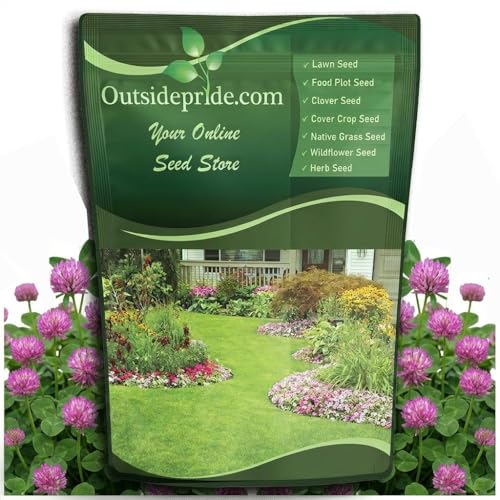
Outsidepride’s perennial red clover seeds are designed for long-term use in soil-improvement and pasture programs. The seeds are inoculated and suited for USDA zones 3–9, offering resilience in varied climates. Best for: farmers, ranchers, and serious gardeners who want a self-sowing, multi-year cover crop. Caution: perennial behavior means some management is needed to prevent unwanted spread in sensitive areas.
Why selected: long lifespan and wide climate tolerance make it a strong backbone for rotation programs and soil-building strategies. Caution: perennial crops may require adjustments in overseeding intervals and grazing plans.
Outsidepride Perennial Red Clover Seeds – 2 lbs.
This 2-pound option from Outsidepride mirrors the larger 5-pound version with the same perennial, inoculated trait. It offers adaptability for lawn, yard, forage, and rotation programs across zones 3–9. Best for: gardeners seeking a manageable quantity that still supports multi-year soil improvement. Caution: single-season planning should consider self-seeding tendencies to avoid unwanted spread.
Why selected: a compact, repeatable choice for smaller operations or test plots within a broader perennial strategy. Caution: monitor for self-seeding and manage as needed to fit landscape goals.
Outsidepride Crimson Clover Seeds – 5 lbs.

Crimson clover is known for its high-protein content and rapid growth. This 5-pound bag is designed for forage, cover crops, and wildlife-friendly landscaping, packaged as nitrocoated and inoculated seed to improve establishment. Best for: farmers and wildlife managers who want a quick-to-establish crop with strong soil benefits and palatable forage. Caution: annual varieties may require replanting if the goal is continuous cover across multiple seasons.
Why selected: a robust option for fall planting and late-winter grazing, with excellent soil-improvement potential and pollinator-supporting flowers.
Outsidepride Crimson Clover Seeds – 10 lbs.
This larger 10-pound bag mirrors the 5-pound Crimson Clover in function but provides bulk capacity for extensive plots and farm-scale rotations. Best for: larger farms, seed mixes for forage, and long-term cover cropping strategies. Caution: heavier quantities require proper storage to maintain seed viability.
Why selected: flexibility for extensive applications, including hay, pasture, and green manure, with strong protein content for wildlife and livestock.
Buying Guide: Medium Red Clover Seed Purchase Considerations
- What is my primary goal? Choose sprouting-focused seeds for indoor use, or inoculated, perennial seeds for soil-improving cover crops.
- How large is my planting area? Bulk bags (5–10 lbs) fit larger plots, while 1–2 lb bags suit small beds or test plots.
- Do I need self-seeding traits? Perennial options reduce reseeding effort but may require management to prevent overgrowth.
- What climate zone am I in? Look for zone-appropriate seeds (USDA zones 3–9 often cover most of the continental U.S.).
- Is pollinator support important? Crimson clover and similar varieties attract bees and other beneficial insects.
- Are there specific soil concerns? Nitrogen fixation improves soil, but soil preparation and pH can impact establishment.
Practical purchase considerations
- Germination reliability matters. Look for claims like 90%+ germination and seeds that are cleaned and tested.
- Seed form impacts use. Some options are ideal for sprouting, others for outdoor sowing, and some for both.
- Coatings and inoculations can improve establishment in poor soils but may add cost.
- Storage and shelf life matter for bulk orders. Keep seeds in a cool, dry place to maximize viability.
Care and maintenance tips
- For sprouting: rinse seeds and maintain clean jars, avoiding contamination during germination.
- For field use: prepare the site, control weeds, and consider companion grasses for best results.
- Incorporate nitrogen-fixing clover into rotation plans to improve subsequent crops.
FAQ
- What is medium red clover best used for? It serves as a dual-purpose plant for sprouts and soil-improving cover crops, depending on the seed and cultivation method.
- Are these seeds suitable for all U.S. regions? Most options target USDA zones 3–9, but specific varieties may have narrower climate suitability.
- Can crimson clover support pollinators? Yes, crimson/clover varieties are attractive to bees and other beneficial insects.
- Do these seeds require soil preparation? For cover crops, prepare soil like any planting; for sprouts, maintain clean, sterile conditions.
- Is inoculation important? Inoculated seeds often establish more quickly in poor soils but verify compatibility with your crop rotation.
- Should I choose perennial over annual varieties? Perennials reduce reseeding work but may spread; annuals can be easier to manage in strict landscapes.