Looking for compact, fragrant lilacs that fit tight spaces? This guide highlights the best dwarf Korean lilac options that stay manageable while delivering classic lilac scent and blooms. Each selection is suited to small yards, patios, or container gardening, and is chosen for growth habit, fragrance, and hardiness. The top picks below include options ideal for beginner gardeners, as well as growers seeking reliable flowering shrubs that won’t overwhelm a landscape.
| Product | Best For | Size / Height | Key Benefit |
|---|---|---|---|
| TriStar Plants – Dwarf Korean Lilac | Fragrance lovers and container planters | 1 gallon trade pot | Compact, fragrant shrub with established roots |
| Green Promise Farms – Dwarf Korean Lilac | USDA Zones 3–8 gardeners | 3 gallon trade pot | Hardy, ready-to-plant/shoots flowering in year one |
| Palibin Lilac – Purple Flowering Shrub | Landscaping with classic lilac color | 2–3 feet tall (delivered) | Iconic Palibin variety with reliable blooms |
| Classy Groundcovers – Palibin Dwarf | Small gardens needing tidy habit | 2-Gallon Pot | Slow growth, compact mature size |
| Perfect Plants – Bloomerang Dark Purple Lilac | Reblooming, extended flowering season | 1 gallon | Spring-to-fall blooms with disease/deer tolerance |
TriStar Plants – Dwarf Korean Lilac
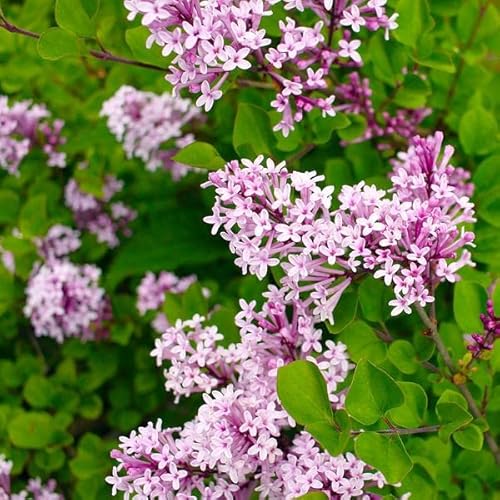
Best for compact spaces where fragrance is a priority. This 1 gallon trade pot offers a compact shrub with fragrant blooms and a healthy root system. Suitable for small yards or container gardens. Caution: ensure adequate winter protection in colder regions.
Green Promise Farms – Dwarf Korean Lilac

Best for gardeners who want a ready-to-plant shrub with robust growth in zones 3–8. This 3 gallon plant arrives fully rooted in soil and ready for immediate planting, weather permitting. Note: shipping restrictions may apply to certain states; follow care instructions included with shipment.
Palibin Lilac – Purple Flowering Shrub

Best for classic lilac color in smaller landscapes. Palibin is a beloved dwarf lilac variety known for reliable purple flowers. Best for gardeners seeking a traditional lilac silhouette and fragrance in a smaller footprint. Caution: expect seasonal variation in bloom timing depending on local climate.
Classy Groundcovers – Palibin Dwarf

Best for tidy borders and low-maintenance beds. The 2-Gallon Pot delivers a mature yet compact dwarf Palibin with a slow growth rate and a manageable eventual height. Choose this if you want a neat, hedge-like lilac effect; avoid if you need rapid coverage or very tall plants.
Perfect Plants – Bloomerang Dark Purple Lilac

Best for extended flowering with rebloom. Bloomerang Dark Purple Lilac offers spring and summer blooms with enhanced fragrance. Ideal for those who want color and scent across a longer season. Caution: disease resistance and deer tolerance are noted as strengths, but local soil and moisture conditions still influence performance.
Buying Guide
What size should you expect?
Dwarf Korean lilacs typically stay under 6 feet in mature height, with many cultivars staying closer to 3–5 feet in most landscapes. When container-grown, expect a smaller canopy. Choose size based on available space and desired viewing distance from patios or walkways.
Which variety is best for fragrance?
Most dwarf lilacs deliver strong fragrance, especially Palibin and classic lilac types. If fragrance is the primary goal, prioritize varieties described as fragrant or highly scented in their features. Consider bloom density and repetition for longer aroma exposure in the garden.
Hardiness and climate considerations
Look for zones 3–8 compatibility for broad North American coverage. Dwarf lilacs generally tolerate cold winters but may need winter protection in harsher regions. Check local frost patterns and soil drainage needs before planting.
Container versus in-ground planting
Container lilacs are ideal for patios, decks, or small yards. Planting in-ground benefits long-term stability and potential for larger blooms. When moving plants from pots, gently loosen roots and ensure a well-draining soil mix.
Care tips for best performance
- Provide full sun for most robust flowering.
- Water deeply during dry spells; avoid waterlogged soils.
- Prune after flowering to maintain shape and encourage rebloom (for types like Bloomerang).
- Mulch to conserve moisture and regulate soil temperature.
Choosing the right plant for your goals
If you want a fragrant focal point in a small space, TriStar or Green Promise Farms’ dwarf lilacs are strong picks. For traditional lilac color in a compact footprint, Palibin varieties are reliable. If you prefer an extended bloom season with rebloom, consider Bloomerang. For borders or groundcover-style plantings, Classy Groundcovers’ Palibin offers a neat, slow-growing option.
Frequently asked questions
- Q: Do dwarf Korean lilacs grow in containers long-term? A: Yes, many are well suited to containers, provided they have good drainage and adequate sunlight.
- Q: How often should I prune dwarf lilacs? A: Prune after flowering to shape and promote next year’s blooms; avoid heavy pruning in late summer or fall.
- Q: Are these lilacs deer-resistant? A: Some varieties are noted for resistance, but local wildlife behavior can vary. Monitor plants accordingly.
- Q: When do these lilacs typically bloom? A: Most bloom in spring; some may rebloom in late spring to summer, depending on variety and climate.
- Q: What soil conditions do they prefer? A: Well-draining soils with moderate fertility; amend heavy clay or very sandy soils for better consistency.