Looking for an effective insect cover for your garden? This guide highlights five top garden netting options that block pests while still letting light, air, and water reach your plants. Ideal for vegetable plots, fruit trees, and flower beds, these nets help reduce damage from insects, birds, and small animals without harming photosynthesis. The best buyers are home gardeners seeking easy-to-install protection, versatile use, and durable material for outdoor seasons.
Summary of selected products
| Product | Brand | Size | Best For |
|---|---|---|---|
| Garden Netting (2 Pack) | RIFNY | 10×33 ft per net | Large beds, flexible coverage |
| Garden Netting Pest Barrier (4×10′) | Garden Tailor | 4×10 ft | Raised beds, tight fit |
| Jevrench Ultra Fine Netting | Jevrench | 4×25 ft | Extensive coverage, durability |
| Monirsen Netting Kit | Monirsen | 10×30 ft netting | Raised beds with hoops |
| Rohuis Ultra Fine Netting | Rohuis | 10×33 ft | Versatile garden protection |
Garden Netting, 2 Pack: Ultra Fine Mesh for Pest Barrier

This set uses an ultra-fine mesh with a 0.04 inch (approximately 1 mm) opening to deter a wide range of garden pests while still allowing essential airflow and light. The dual-pack format covers multiple beds or large rows, making it suitable for gardeners who need broad coverage with simple setup. The lightweight material minimizes stress on buds and blossoms, helping maintain healthy growth.
Best for: Large vegetable plots, fruiting trees, and flower beds that require extended coverage without sacrificing photosynthesis. It’s also a good option for greenhouses or patio plantings that need a breathable barrier. Caution: The mesh is very fine; ensure proper tension to prevent flapping in high winds.
Garden Netting Pest Barrier: 4’x10′ Fine Bug Netting
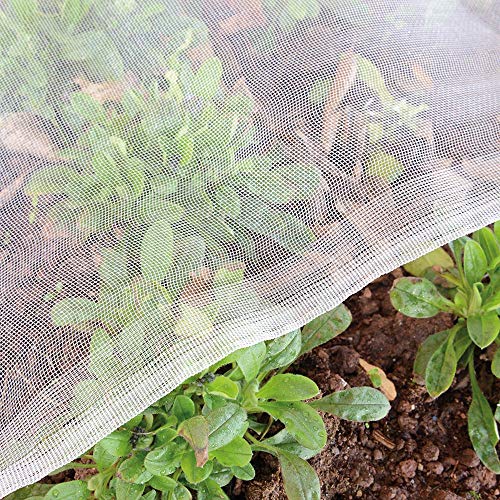
This 4’x10′ net provides a practical balance of coverage and manageability. Made from HDPE, it resists UV exposure and wear, with a tight selvedge designed not to unravel. It’s lightweight yet durable enough for year-to-year use. The netting acts as a barrier against cicadas, aphids, and other pests, while still allowing sunlight, air, and water to reach plants.
Best for: Raised beds and small to medium plots needing a reliable, easy-to-hang barrier. Choose this if you want a ready-to-use net with minimal assembly. Limitation: Slightly smaller footprint compared to longer nets; may require more pieces for very large beds.
Jevrench Ultra Fine Garden Netting, 4×25 ft

Jevrench nets provide a substantial 4×25 ft area with a fine 0.8 mm x 1 mm mesh. The material is described as durable PE, with elasticity to withstand outdoor conditions. The large size reduces frequent reinstallation while still allowing for easy adjustments around plant shapes. It’s designed to help maintain higher yield by reducing pest pressure without harming plant growth.
Best for: Gardeners seeking long-lasting, expansive coverage with robust mesh. Better for: growers who plant tall or sprawling crops that require larger, continuous protection. Caution: The mesh is fine, so ensure secure anchoring to prevent wind lift in exposed areas.
Monirsen Netting Kit for Raised Beds
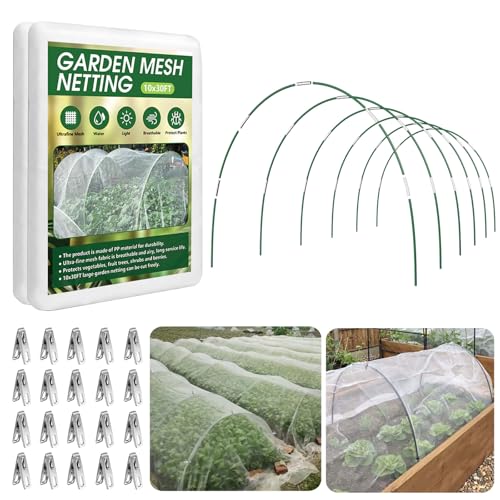
The kit includes a 10×30 ft netting plus a complete hoop system (8 ft high hoops, pipes, and clips). This setup aids in creating a semi-permanent protective cover for raised beds, making it a strong choice for season-long garden protection. The mesh is described as ultra-fine, allowing air, light, and water to pass through, while blocking insects and birds. It’s designed for repeated use and year-round coverage with proper maintenance.
Best for: Raised-bed gardens and containers that benefit from a framed protective cover. Choose this if you want an integrated hoop system for a tidy, reusable enclosure. Limitation: Hoop system may be more complex to install than simple netting alone.
Buying Guide: Key Considerations For Insect Netting
- Mesh size matters: Finer mesh provides better pest blocking but may reduce airflow slightly. Look for 0.04 inch to 0.8 mm x 1 mm openings for versatile protection.
- Coverage and size: Determine the total area to cover. Larger nets reduce the need for seams but may require more anchoring points and space to secure edges.
- Material durability: HDPE and PE fabrics resist UV exposure and weather. Check for reinforced edges or selvedge to prevent unraveling.
- Installation ease: Some kits include hoops or drawstrings. Consider whether you prefer a simple drape-and-cover setup or a modular frame system.
- Breathability: Ensure the netting allows air, rain, and sunlight through to support plant health and growth without creating a hot microclimate.
- Reusable life: Look for thicker, tear-resistant nets designed for multiple growing seasons. Assess maintenance needs like cleaning and storage.
- Versatility: Some nets function as mosquito screens or bird barriers beyond garden use. If you need multi-scenario use, prioritize multi-purpose designs.
Frequently Asked Questions
- What is the best mesh size for a general garden netting?
Answer: A mesh around 0.04 inch (1 mm) to 0.8 mm x 1 mm provides a good balance between pest protection and airflow for most vegetables, fruits, and flowers. - Can garden nets affect plant growth?
Answer: If the net is loose and breathable, it should not significantly affect photosynthesis. Ensure nets are not tightly pressed against foliage and allow light through. - Are these nets reusable year after year?
Answer: Many nets are designed for repetitive use; durability depends on material and care. Follow manufacturer guidance for storage and cleaning to extend life. - Do nets protect against larger pests like birds and rabbits?
Answer: Yes, most nets deter birds and many small mammals; thicker nets with smaller holes tend to deter smaller pests more effectively. - Can nets be used indoors or on windows?
Answer: Some nets are suitable for indoor use or windows to protect houseplants, but check product details for indoor compatibility.
By selecting one of these top-rated insect covers, gardeners can tailor their protection to the plant type, garden size, and pest pressure. Each option balances durability, airflow, and ease of use, making it possible to maintain healthy growth while reducing pest-related losses.