Grow a fairy garden with engaging, kid-friendly kits that blend gardening, art, and storytelling. This guide highlights five top options that are well suited for curious youngsters, ages 4–12. Each product supports hands-on learning—from planting and nurturing to painting, LED lighting, and imaginative play. Whether you’re shopping for a playful birthday surprise or a classroom activity, these kits help children explore nature while developing fine motor skills and creativity. The following picks emphasize age-appropriate design, clear instructions, and safe materials for little hands.
| Product | Brand | Best For |
|---|---|---|
| Bloonsy Unicorn Fairy Garden Kit | BLOONSY | Creative, unicorn-loving kids who enjoy light-up features |
| BRYTE Light Up Unicorn Terrarium Kit | BRYTE | Young makers who want a glow-in-the-dark terrarium |
| My Fairy Garden — Nature Cottage | PlayMonster | Story-driven play and real growing garden on top |
| BRYTE Fairy Garden Kit | BRYTE | Artful painters who like watering and LED accents |
| My Fairy Garden Nettles’ Nook Mini Terrarium | My Fairy Garden | Miniature world builders who want compact, detailed play |
Bloonsy Unicorn Fairy Garden Kit

Best for creative kids who love unicorns and a light-up feature. This kit invites children to design their own fantasy garden from start to finish, fostering imagination alongside basic gardening concepts. It includes elements that support decorative storytelling as much as plant nurturing. The set emphasizes a one-of-a-kind, personalized garden experience, which is ideal for children who enjoy crafting unique worlds. A potential limitation is that the educational value hinges on guided play; independent exploration may be less structured for younger kids.
BRYTE Light Up Unicorn Terrarium Kit

Best for kids who want a glow-in-the-dark fairy garden experience. The kit emphasizes colorful paints, whimsical figures, and a live-like terrarium that lights up, merging art with plant care. It supports creativity while introducing basic planting concepts and care routines. Choose this if you want a visually striking display that also teaches responsibility for living elements. A caution: assembly includes small parts, so supervision is advised for younger children.
My Fairy Garden — Nature Cottage
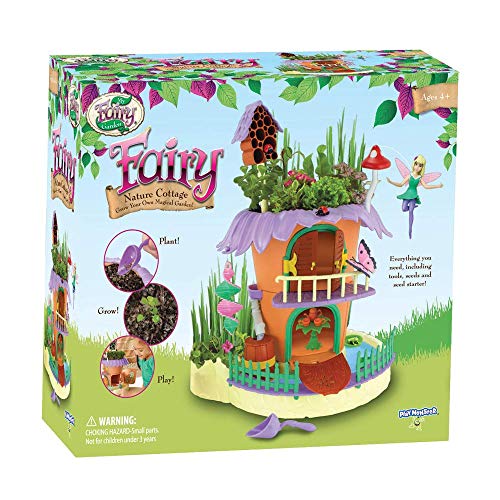
Best for story-driven play and a garden-on-top concept. The Nature Cottage invites children to grow a real garden on the top while using the bottom to create a flowing water feature. The included soil and seeds support hands-on learning about plant growth and water cycles. It’s a strong pick for kids who enjoy narrative play, fairy habitats, and practical science in one package. Limitation: water management can be a learning curve for very young gardeners.
BRYTE Fairy Garden Kit

Best for painters who want a complete DIY kit with LEDs and crystal accents. This kit supplies fairy figurines, crystal rocks, and adjustable features to customize a magical garden. It’s well suited for older kids who enjoy painting and designing a personalized miniature landscape. A potential limitation is the need for patience during painting and setting up LED elements, which may challenge younger or less patient testers.
My Fairy Garden Nettles’ Nook Mini Terrarium

Best for compact, portable fairy gardens and interactive storytelling. This mini terrarium comes with a shadow fairy and cat doll, plus a field guide that educates about plant growth and environmental care. It’s ideal for kids who prefer smaller setups or want to take their garden on the go. Limitation: the mini scale means fewer growing features and smaller components, which may not hold up to rough handling.
Buying Guide: Key Considerations For Choosing A Fairy Garden Kit
- Age appropriateness: Look for kits designed within your child’s age range and check for small parts that may require supervision for younger children.
- Learning goals: Decide whether you want emphasis on science (plant care, soils, light), art (painting, decorating), or imaginative play (fairy tales, storytelling).
- Growth and maintenance: Consider whether the kit includes real seeds and soil and how much ongoing care is required to see results.
- Materials and safety: Prioritize non-toxic paints, child-safe plastics, and durable components that withstand play and weather (for indoor use or gentle outdoor display).
- Power features: If LED lights are important, check battery options, switch accessibility, and expected run time.
- Set size and storage: Larger kits may be impressive but require more space; compact sets are easier to store and transport.
- Guided vs. open-ended play: Some kits come with structured activities, while others encourage open-ended design and expansion with other items.
How To Choose By Situation
- Gift for a unicorn-loving child: Bloonsy or BRYTE Unicorn kits provide a strong fantasy theme and visual appeal.
- Artful painter who wants color and light: BRYTE Fairy Garden Kit offers painting and LED features for a dazzling display.
- Classroom or group activity: A complete kit with multiple components and easy setup, such as My Fairy Garden Nettles’ Nook or My Fairy Garden Nature Cottage, supports collaborative play.
- Space-conscious play: Nettles’ Nook Mini Terrarium fits smaller spaces without sacrificing the fairy garden experience.
Maintenance And Expansion Tips
- Use a shallow tray or tray liner to catch water runoff when using real seeds to minimize mess.
- Label plant varieties or figurines to help kids recall roles in their tiny ecosystem.
- Pair with a simple plant care schedule (water every few days, observe growth) to reinforce routines.
- Store paints and small parts in a labeled container to keep playtime focused and safe.
Frequently Asked Questions
- What age range is best for fairy garden kits? Most kits target ages 4–12, with varying levels of complexity for older or younger children.
- Are these kits suitable for indoor use? Yes, many kits are designed for indoor display, though some can be used in semi-outdoor spaces with supervision.
- Do these kits require real soil and plants? Several include soil and seeds, while others are decorative with faux elements. Check each product’s features for specifics.
- Is painting required? Some kits include paint for a customizable look, while others are pre-decorated. Painting can enhance creativity but isn’t always necessary.
- Can the lights in LED kits be left on overnight? Most LED components are low-power, but it’s best to follow the included instructions and ensure safe use around children.
- Do these kits come with all necessary supplies? Many are complete kits with figurines, soil or seeds, and decorative pieces; some may require basic items like water or cups for planting.