Choosing the right ground cover fabric can dramatically reduce weed growth, improve soil health, and simplify garden maintenance. This article highlights highly effective weed barrier fabrics that work well for vegetable plots, flower beds, and landscape edging in American yards. Each option offers durability, permeability, and easy installation to suit different garden sizes and conditions. Read on to compare features, installation tips, and important buying considerations to pick the best ground cover for your garden needs.
| Product | Width | Length | Best For |
|---|---|---|---|
| LGJIAOJIAO 3ft x 50ft | 3 ft | 50 ft | Durable weed control with long-lasting protection |
| LAVEVE 4ft x 100ft | 4 ft | 100 ft | Professional-grade, easy cutting and installation |
| EXTRAEASY 1.4ft x 100ft | 1.4 ft | 100 ft | Narrow beds and edging, high permeability |
| Sunocity 6ft x 300ft | 6 ft | 300 ft | Large areas, durable and permeable |
| VEVOR 4x100ft | 4 ft | 100 ft | High-density weed prevention with precise edges |
Product choices below focus on reliability, permeability, and ease of use. Each section provides a concise overview, installed applications, and key features drawn from the product listings to help gardeners compare options quickly.
LGJIAOJIAO 3ft x 50ft Weed Barrier
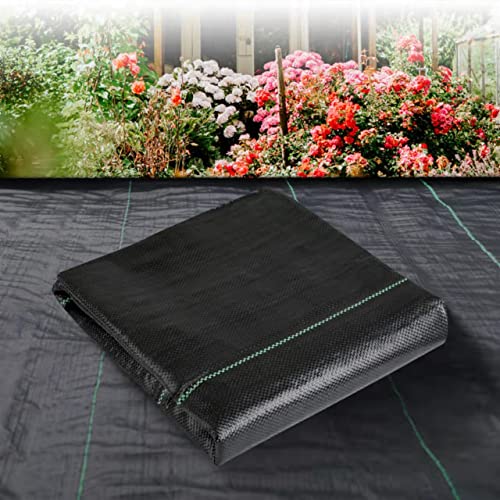
LGJIAOJIAO offers a heavy-duty weed barrier fabric designed for landscaping and construction needs. The 3-foot by 50-foot roll provides a wide strip suitable for narrower vegetable beds, walkways, or bed edges. The fabric is made from polypropylene, delivering strong tear resistance and long-lasting weed protection. It enables water and nutrients to pass through, maintaining soil health while suppressing weed growth. This makes it a practical option for persistent weed challenges in smaller gardens or edging projects.
LAVEVE 4ft x 100ft Ground Cover

LAVEVE’s weed barrier fabric is described as professional-grade woven polypropylene with high-density construction. It’s designed to block weed growth while supporting soil health, with durability to withstand weather and foot traffic. The 4×100-foot dimension offers expansive coverage for larger garden beds, pathways, or landscaped areas. The fabric is permeable, allowing air and water to reach plant roots, which helps prevent soil erosion and promotes healthy growth. It also includes clear installation guidance with alignment lines to simplify cutting and placement.
EXTRAEASY 1.4ft x 100ft Barrier Fabric
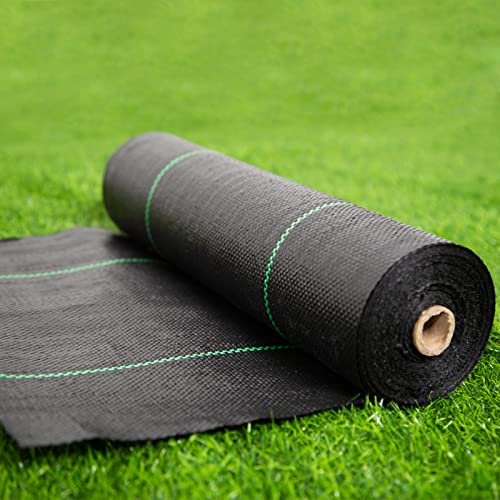
EXTRAEASY presents a 1.4-foot-wide weed barrier fabric in a long 100-foot length, ideal for narrow garden beds, borders, and edging around paths. The fabric is described as heavy duty with a 3.2-ounce weave, designed to withstand weed penetration over time. It provides high permeability to let air and moisture reach the soil, supporting healthy plant growth while reducing weed competition. The product is suitable for professional edging projects or long narrow planter strips where wider fabrics would be wasteful.
Sunocity 6ft x 300ft Ground Cover Fabric

Sunocity offers a large-scale weed barrier fabric measuring 6 feet by 300 feet, built from durable woven polypropylene and rated at 3.2 ounces. This fabric emphasizes tear resistance and UV stabilization, making it suitable for extensive landscaping projects and lawn edges. Its permeable design allows essential water and air to reach the soil, supporting healthy root systems while preventing weed encroachment across wide garden areas. The package commonly includes staples for secure installation, helping to anchor the fabric in place over long runs.
VEVOR 4x100ft Heavy-Duty Weed Barrier

VEVOR’s heavy-duty weed barrier fabric is a 4×100-foot roll made from 5.8-ounce woven material. It emphasizes robust weed prevention and durable construction for long-term garden use. The fabric is highly permeable to allow water and air movement, helping maintain soil moisture and nutrient presence. It also features precision-cut edges and clear guide lines to aid trimming, reducing fraying and waste during installation. This option suits larger garden expanses or commercial-grade landscaping projects requiring dependable weed control.
Buying Guide: Key Purchase Considerations
- Weed control efficiency: Choose fabrics with dense weaving and proven weed suppression to minimize future pulling and soil disturbance.
- Permeability: Ensure the fabric allows adequate water, air, and nutrients to reach the soil, supporting plant health and reducing erosion.
- Durability and UV resistance: For outdoor use, pick materials engineered to withstand sun exposure, temperature swings, and foot or vehicle traffic where applicable.
- Size and coverage: Measure beds and pathways to select appropriate widths and lengths; consider edging compatibility for borders and narrow beds.
- Ease of installation: Look for alignment lines, clear cut guides, or included pegs/stakes to simplify laying and securing the fabric.
- Longevity and maintenance: Some fabrics last multiple seasons; assess whether you’ll need to replace or refresh the cover over time.
- Impact on soil health: Prefer fabrics that balance weed suppression with soil moisture retention and nutrient flow.
- Installation environment: For heavily trafficked areas, prioritize heavier weights and reinforced edges to resist wear and tear.
- Extras and accessories: Staples or pegs, cutting tools, and installation guides can influence overall project ease and cost.
When evaluating options, balance budget with expected durability and garden size. Narrow beds and borders may benefit from lighter, easier-to-cut fabrics, while large lawns or commercial plots demand heavier, long-lasting materials. Permeability should not be sacrificed for weed suppression, as healthy soil requires air and moisture movement. Finally, consider installation ease to ensure your project stays on schedule and minimizes disruption to existing plants.