Answering the needs of home cooks and small households, these green bags aim to extend produce freshness, reduce waste, and simplify fridge organization. The top picks are best for preserving produce, cutting flowers, and storing bulk buys. They vary by pack size, reuseability, and sealing performance, so choose based on how often you prep, shop, and how much you store. The following table summarizes the five recommended options and who they’re best for.
| Product | Pack Size | Best For |
|---|---|---|
| Debbie Meyer GreenBags 32-Pack (16M, 8L, 8XL) | 32 bags | Medium to large households; versatile sizes for varied produce |
| Debbie Meyer GreenBags 20-Pack (8M, 8L, 4XL) | 20 bags | Small to mid-size kitchens; budget-conscious purchases |
| Debbie Meyer GreenBags 40-Pack (16M, 16L, 8XL) | 40 bags | Frequent shoppers; bulk storage and meal prep |
| ideamake Reusable Produce Bags 40 Pack | 40 bags | Budget-friendly multi-size set with space for flowers |
| TopFresh Green Bag Roll 200 Pack | 200 bags (rolls) | High-volume storage; long-term bulk organization |
Debbie Meyer GreenBags 32-Pack
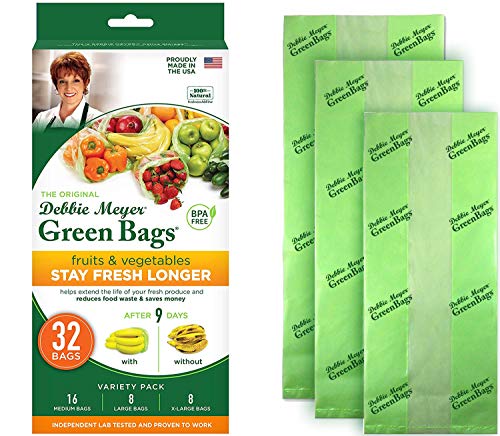
Best For: Households needing a versatile mix of bag sizes for fruits, vegetables, leftovers, and cut flowers. The 32-pack provides a balance between quantity and variety. Why selected: This set emphasizes moisture retention and freshness through a tight seal designed to extend produce life. Best when you want a reliable, long-term storage solution without buying individual sizes repeatedly.
Limitations: While durable, the bags are intended for multiple uses, and performance may vary with heavy freezer use or very moist produce. Use as directed to maximize reuse.
Debbie Meyer GreenBags 20-Pack

Best For: Small kitchens or budget-focused buyers who want a proven system for keeping produce fresh. Why selected: The 20-pack emphasizes ethylene management and reusable design, which can extend shelf life for common produce like berries, leafy greens, and citrus. It’s a good starter kit for families testing reusable bags.
Limitations: Fewer bags mean more frequent reloading; plan for your typical weekly produce volume to avoid gaps between restocks.
Debbie Meyer GreenBags 40-Pack
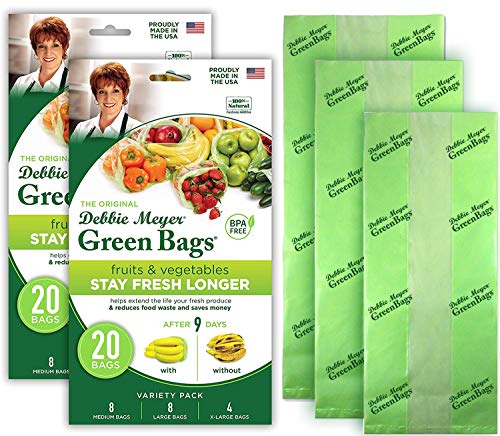
Best For: Homes that routinely batch-store produce, leftovers, and cut flowers. Why selected: The larger set offers more sizes for flexible storage at home, enabling you to separate different produce types and still keep everything organized. It’s a strong option for reducing weekly waste with bulk purchases.
Limitations: More bags require more space; ensure you have a system for drying and reusing to maximize lifespan.
ideamake 40-Pack Reusable Produce Bags
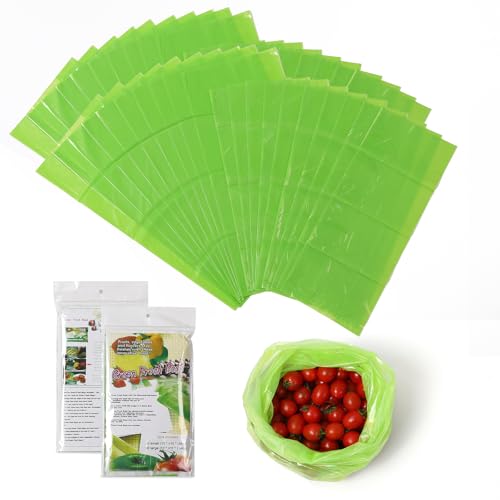
Best For: Shoppers seeking a space-efficient, multi-size bag set with a focus on breathability for fruits and vegetables. Why selected: The set includes a broad range of bag sizes and highlights a breathable design intended to slow spoilage by allowing airflow while reducing ethylene impact. A good fit for everyday produce from bananas to leafy greens.
Limitations: Fabric and seams may vary; inspect bags for wear after repeated wash cycles to prevent leaks or tears.
TopFresh Green Bag Roll 200 Pack

Best For: Large households or users who store produce in bulk or freezer batches. Why selected: The 200-pack roll provides high-volume storage options with sustainable materials and a natural illite additive to help control odors and moisture. It’s an economical long-term choice for frequent users.
Limitation: Rolls can be less convenient for quick grab-and-go when you only need a couple of bags; consider pairing with pre-counted sections for efficiency.
Buying Guide
What should you look for in green produce bags?
Sealing performance, breathability, and durability matter. Bags that seal well help lock in moisture and reduce ethylene buildup, while breathable designs help vent gases that accelerate ripening. Look for BPA-free materials, reusable design, and easy cleaning to maximize lifespan.
What sizes are most useful?
- Small bags (for berries, herbs, and delicate greens): keep items organized and reduce crush damage.
- Medium bags (for bananas, apples, cucumbers): versatile for everyday produce.
- Large bags (for lettuce heads, peppers, or bunches of greens): provide space for bulk items and meal-prep ingredients.
- Extra-large or roll formats: ideal for bulk shopping or flower storage; plan storage space accordingly.
How many bags do you need?
Assess your weekly produce volume and household size. A starter set (20–40 bags) works for most families, while larger households or frequent shoppers may benefit from 60–200 bags in varied sizes.
How to maximize lifespan?
Rinse and air-dry bags between uses. Avoid punctures and high-heat exposure. Label bags for contents to keep produce sorted by storage needs, and wash with mild soap if needed to remove residues that could affect storage.
Are these bags safe for flowers?
Several options mention fit for cut flowers. If you plan to store stems or bouquets, ensure the bags allow enough space and airflow to prevent mold and moisture buildup on petals.
Which set should you choose?
Choose based on your typical weekly volume, whether you prefer a mix of bag sizes or a bulk roll, and how often you’re likely to reuse bags. For beginners, Debbie Meyer 20- or 32-pack sets provide simple, proven options. For heavy users, the 40-pack Debbie Meyer or TopFresh 200-pack offer long-term value.
FAQ
Q: Do these bags preserve produce without plastic scent?
A: Many options use BPA-free materials and mineral additives designed to reduce gas buildup and extend freshness without introducing strong odors.
Q: Can I use these in the freezer?
A: Some bags tolerate freezer use but check the product specifics. For long-term freezing, ensure a seal tight enough to prevent freezer burn and bag tears.
Q: How many times can I reuse a bag?
A: Reuse cycles vary by bag and use case, but several sets are described as reusable multiple times with proper cleaning and drying.
Q: Are there eco-friendly options?
A: Yes. Many bags are BPA-free and designed to replace disposable plastic bags, supporting reduced single-use plastic in daily life.
Q: Do these bags help with flowers?
A: Some bags are marketed for flowers or cut produce by managing moisture and ethylene. If keeping bouquets fresh is a priority, confirm the bag’s compatibility for floral storage.