Indoor plant care often faces a tiny yet persistent foe: gnats and fungus gnats. The right combination of traps, sprays, and systemic protections can keep these pests from disturbing your greenery. Below are five highly effective options, designed to target flying pests without harming people or pets. Each product is evaluated for indoor plant use, ease of application, and safety. Use the buying guide at the end to compare approaches and choose what fits your plant setup.
| Product | ||
|---|---|---|
| Mosqueda Yellow Sticky Traps (36 Pack) | St traps | Immediate, odorless catch for indoor/outdoor plants |
| Mighty Mint Peppermint Plant Protection Sprays | Plant-based spray | Gentle prevention and treatment |
| BioAdvanced Houseplant Insect & Mite Control | Ready-to-use spray | Broad-spectrum indoor plant protection |
| Bonide Systemic Houseplant Insect Control | Granules (systemic) | Long-lasting root-absorbed protection |
| Zevo Flying Insect Trap & Refills | UV light & adhesive trap | Continuous trap for flying pests |
Mosqueda Yellow Sticky Traps For Pests
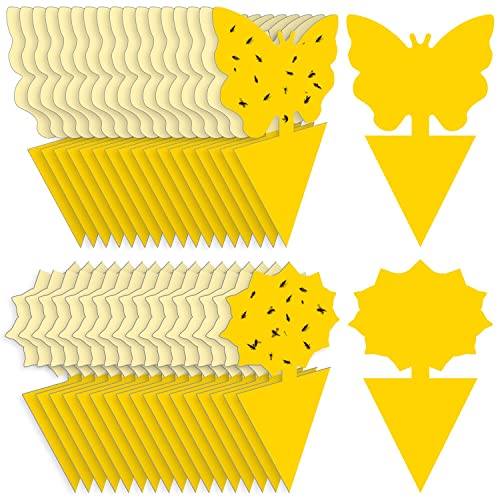
These bright yellow sticky traps attract flying insects, including gnats, and use high-quality glue to prevent escape. They are designed for both indoor and outdoor use and are especially suitable for potted plants. The traps are odorless and non-toxic, offering a safe solution around people and pets. They are easy to deploy—peel and insert into pots or near plant areas without sticky hands.
Features include a color attraction strategy, a non-toxic approach, and simple placement. For indoor plant care, these traps act as a first line of defense by reducing adult gnat populations and limiting eggs laid near the soil surface. Regular replacement keeps overall pest pressure low and provides visible progress in a living room, kitchen windowsill, or greenhouse setup.
Mighty Mint Peppermint Plant Protection Spray

This plant-based spray offers easy application and cleanup, with safety for people and pets when used as directed. It provides powerful, natural protection against gnats, mites, and other common houseplant pests. The peppermint-derived formula aims to deter pests while preserving plant health and beneficial microflora in many indoor environments.
For indoor plant care, it serves as both a preventive measure and a treatment option for early infestations. The spray can be applied to foliage, soil surface, and plant media where pests tend to congregate, offering a versatile approach without chemical harshness. Always follow label directions to maximize safety and effectiveness on diverse plant species.
BioAdvanced Houseplant Insect & Mite Control
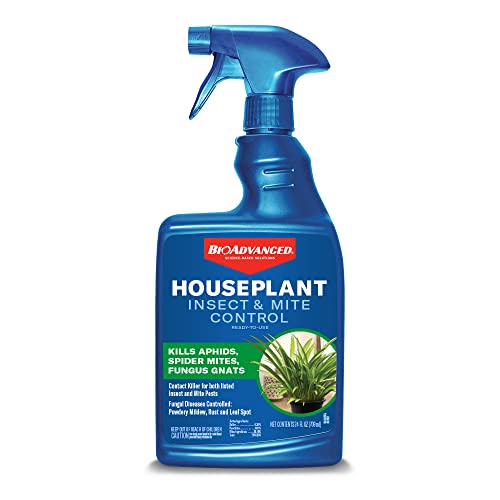
This ready-to-use fungicide and insect killer targets common houseplant pests and mites. It is labeled for indoor and outdoor use on flowers and herbs, making it versatile for various plant setups. The spray is designed for contact kill and foliar application, with emphasis on reaching undersides of leaves and new shoots where pests like to hide.
In practice, this product aims to control fungus gnats by interrupting their life cycle and reducing pest population density quickly. While it provides broad protection, users should spray thoroughly and abide by safety guidelines to avoid impacts on beneficial insects when used in mixed plant environments or near pollinator-friendly setups in adjacent outdoor spaces.
Bonide Systemic Houseplant Insect Control

Bonide’s granular systemic solution is absorbed by plant roots and moves through the vascular system to provide protection for up to eight weeks. It targets listed insects by ingestion and remains effective despite watering. While it protects against pests like mealybugs and aphids, it may not harm insects that do not feed on the plant.
Systemic control is particularly useful for potted plants with persistent gnat activity and for setups where surface sprays are hard to maintain. Application is straightforward, and the low-odor formula helps minimize disruption to indoor environments. For best results, apply as directed around the root zone and monitor plants for any signs of stress or new pest symptoms.
Zevo Flying Insect Trap With Refills
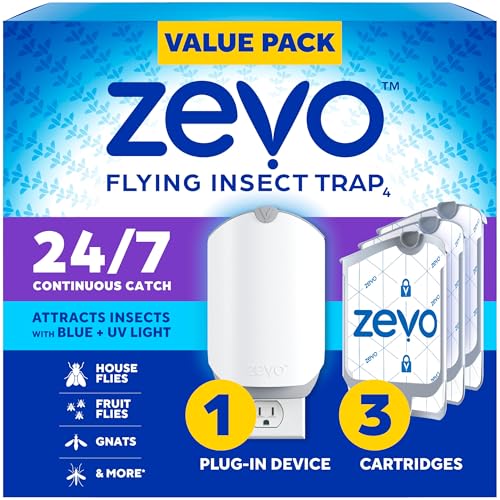
Zevo’s kit uses blue and UV light to attract flies, gnats, and other flying insects while a disposable cartridge traps them with a backing adhesive. It operates continuously, day and night, and offers a mess-free disposal experience. It’s a plug-in solution that blends into living spaces and is suitable near plant work areas, kitchens, or living rooms where gnats frequent.
This trap emphasizes ongoing catch rates rather than a one-time treatment. It is especially helpful for households where multiple plants share a common room. When paired with other targeted controls, Zevo can reduce adult fly and gnat populations effectively without chemicals or strong odors.
Buying Guide: Key Considerations For Choosing Gnat Killers
Choosing the right approach depends on pest life stage, plant type, and the desired level of maintenance. Below are several considerations to help you decide which methods best fit your indoor garden.
- Target pest stage: Sticky traps address adults that reproduce, while systemic and contact sprays help reduce larvae and nymphs after exposure. A combined approach often yields the best results.
- Safety and visibility: Odorless, non-toxic options are ideal for homes with kids and pets. If you’re sensitive to smells, consider yellow sticky traps or UV-based traps with low odor.
- Plant sensitivity: Some sprays may be too harsh for delicate foliage. Test on a small area first, or choose plant-safe formulations for tropical or flowering plants.
- Indoor environment: For apartments or small rooms, a single trap near plant clusters can be sufficient, whereas larger spaces might benefit from multiple strategies (traps plus a spray or systemic).
- Maintenance and replacement: Sticky traps and disposable cartridges require regular replacement. Consider a plan that fits your routine and budget for ongoing pest control.
- Long-term management: Systemic treatments offer extended protection but may require careful timing with watering. Combine with habitat hygiene, including removing decaying matter and keeping soil surface dry where possible.
- Non-chemical options: For those avoiding pesticides, sticky traps, and mechanical traps, combined with good sanitation and environment control, can dramatically reduce gnat populations over time.
In terms of performance, users typically see the fastest reductions when using sticky traps to curb adult populations while applying a systemic or a targeted spray to address immature stages. For ongoing plant health, integrate these products with regular monitoring, proper watering practices, and routine soil maintenance to prevent recurrence.