Stock tanks and troughs rely on dependable float valves to maintain steady water levels for livestock, horses, poultry, and farm equipment. This guide compares five top options, highlighting design, material quality, flow rates, and installation notes. Each product listing includes a quick-reference summary and practical considerations to help you choose the best valve for your setup.
| Product | Brand | Material / Design | Flow & Pressure | Key Benefit |
|---|---|---|---|---|
| Little Giant Trough-O-Matic Stock Water Tank (Aluminum) | Little Giant | Aluminum housing | Up to 245 GPH, 20–50 psi | Durable housing; easy adjustment |
| Little Giant Trough-O-Matic Stock Water Tank (Plastic) | Little Giant | High-grade polystyrene housing | Up to 245 GPH, 20–50 psi | Lightweight, expansion brackets available |
| Rubbermaid Commercial Stock Tank Float Valve | Rubbermaid | Plastic housing; universal hose connection | All-weather, reliable water level | Durable and compatible with all Rubbermaid tanks |
| Hudson Tank Valve | Hudson Valve | ABS plastic, 1″ FNPT | 5–40 GPM; 100 psi max | Broad applications; simple installation |
| YajuPavilion 3/4 Inch Float Valve (2-Pack) | YajuPavilion | Brass valve; plastic float | Adjustable, 1/2″, 3/4″, 1″ sizes | Two-pack value; versatile connection options |
| Toldear Water Trough Float Valve (2-Pack) | Toldear | Anti-corrosion materials; metal bracket | Automatic fill with stop-and-fill function | Complete kit; durable components |
Little Giant Trough-O-Matic With Aluminum Housing

The Little Giant Trough-O-Matic uses an aluminum housing designed for durability in farm environments. It automatically controls water levels in most plastic or metal stock tanks, troughs, barrels, and pans. With a flow rate up to 245 gallons per hour and operation between 20 and 50 psi, this valve provides reliable performance in moderate to high-demand troughs. Aluminum construction helps resist corrosion while maintaining a lightweight profile for easier installation and maintenance. Ideal for users seeking long-term durability and steady water delivery in busy livestock setups.
Key considerations:
- Pros: Strong aluminum body, high flow, broad compatibility with common stock tanks.
- Cons: Requires attention to mounting spacing to ensure full range of motion.
- Best use: Larger tanks or systems with consistent water demand.
Little Giant Trough-O-Matic Stock Water Tank With Plastic Housing

This variant uses a high-grade polystyrene housing and includes expansion brackets for flexible mounting. It shares the same core feature set as the aluminum version—automatic water level control and a flow range suitable for most stock tanks, troughs, barrels, and pans. The plastic housing reduces weight and can be a cost-conscious option for smaller operations or portable setups. As with the aluminum version, it supports reliable operation within 20–50 psi.
Key considerations:
- Pros: Lighter weight; may be easier to relocate or adjust in mobile setups.
- Cons: Plastic housing may not offer the same durability in some harsh environments as metal.
- Best use: Portable or smaller-scale troughs where weight and cost matter.
Rubbermaid Stock Tank Float Valve, 1.5-Inch
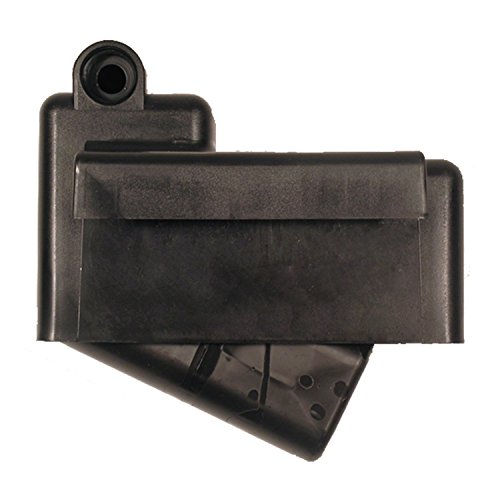
The Rubbermaid Commercial float valve is designed for universal compatibility with Rubbermaid stock tanks. It’s built to endure weather extremes and deliver dependable water levels across seasons. The valve’s flexible-use design supports various stock tank configurations, and the universal hose connection ensures easy hookups to common irrigation or fill hoses. This option emphasizes durability alongside consistent performance in demanding farm environments.
Key considerations:
- Pros: Broad compatibility; durable construction for commercial settings.
- Cons: May be an over-spec for very small or simple home setups.
- Best use: Commercial or frequently repositioned systems needing rugged reliability.
Hudson Tank Valve

The Hudson Tank Valve offers versatile installation options, including direct plumbing connections or mounting with a Hudson bracket and garden hose. It is suitable for a wide range of applications—from aquariums and fountains to pond auto-fill and livestock tanks. The valve features a 1″ FNPT connection, durable ABS construction, and a maximum rating of 100 psi with a temperature range up to 150°F. Its general-purpose design makes it a practical choice for varied watering needs.
Key considerations:
- Pros: Flexible installation; broad application scope.
- Cons: ABS plastic may be less durable in extreme conditions than metal variants.
- Best use: Mixed-use farms or installations needing multiple mounting options.
YajuPavilion 3/4 Inch Float Valve (2-Pack)

This two-pack offers a practical option for smaller farms or multiple tanks. The YajuPavilion float valve is designed with a brass body and a plastic float, providing reliable shut-off. It is available in multiple connection sizes (1/2″, 3/4″, 1″), allowing compatibility with common pipe systems. The design emphasizes a high-temperature rubber seal for longevity and reduced leaks, which is important for outdoor, livestock-watering setups.
Key considerations:
- Pros: Value-packed; multiple connection options.
- Cons: Brass can be heavier and may require more robust mounting.
- Best use: Multiple tanks or a budget-conscious setup needing redundancy.
Toldear 2-Pack Water Trough Float Valve

The Toldear kit provides a complete stock-tank automatic water-control solution with two float valves, a metal connector, and Ptfe tape for secure hose and pipe connections. It emphasizes reliable and safe materials, including corrosion-resistant components. The system is designed to automatically stop filling when the tank is full and resume when water is needed, preventing waste and maintaining steady supply for livestock. It’s a practical option for durable, long-term installations in fields, barns, or feedlots.
Key considerations:
- Pros: Comprehensive kit; corrosion-resistance for harsh conditions.
- Cons: May require more assembly time than single-valve units.
- Best use: Farm installations needing a robust, ready-to-install solution.
Buying Guide: Key Purchase Considerations
When selecting float valves for stock tanks, consider the following aspects to ensure a durable, efficient setup:
-
<li Material and durability: Aluminum and stainless variants offer long-term corrosion resistance, while plastic housings can reduce weight and cost.
<li Flow rate and psi: Match the valve’s flow capacity to the tank size and water demand. Most livestock troughs operate well in the 20–50 psi range, but.verify compatibility with your pump and plumbing.
<li Tank compatibility: Ensure the valve’s connection size and hose fittings fit your existing stock tanks, whether Rubbermaid, metal, or plastic troughs.
<li Installation flexibility: Some valves allow mounting with brackets or direct plumbing; others may support hose connections for flexibility in layout.
<li Environmental conditions: Outdoor farms demand weather-resistant materials and seals. Consider anti-corrosion features and splash-proof designs when selecting valves for open-air tanks.
<li Maintenance and accessibility: Choose models with straightforward access for cleaning and adjustment, especially in busy farm settings.
<li Redundancy: For critical watering points, a two-pack or spare valve offers a backup during maintenance or failure recovery.
<li Budget and scalability: Plastic or basic models suit small operations, while heavy-duty metal units benefit larger farms with continuous use.
Across these options, buyers should prioritize durability, ease of installation, and compatibility with their specific stock tank configurations. Evaluating the operating pressure, flow needs, and climate exposure will help identify the best fit for reliable livestock watering without over-investing in unnecessary features.