Choosing the right fertilizer pellets can help your lawn recover from heat, drought, and summer wear while promoting deep roots and vibrant color. This guide highlights five reliable options commonly used across American lawns, from all-purpose lawn foods to starter formulas for new sod and organic blends. Each product is selected for compatibility with various grass types and seasonal needs, with practical notes on application and benefits. Read on to compare formulas, application guidance, and key features to help your grass thrive year-round.
Summary of Selected Products
| Product | Brand | Best For |
|---|---|---|
| Scotts Turf Builder WinterGuard Fall Lawn Fertilizer for All Grass Types | Scotts | Fall feeding to build deep roots and prepare for spring recovery |
| Scotts Turf Builder Lawn Food | Scotts | General lawn feeding to strengthen roots and improve nutrient uptake |
| Scotts Turf Builder Starter Fertilizer for New Grass | Scotts | New seed, sod, or plugs for quicker, thicker establishment |
| Scotts Green Max Lawn Food with Iron | Scotts | Greening with iron boost for faster color in multiple seasons |
| Down To Earth All Natural Bio-Turf Lawn Food | Down To Earth All Natural Fertilizers | Organic option for deep rooting and stress resilience |
Scotts Turf Builder WinterGuard Fall Lawn Fertilizer
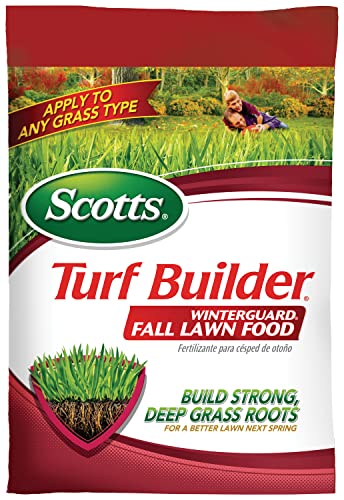
Brand: Scotts. This fall formula is designed to feed all grass types and focus on building strong, deep roots for a healthier lawn come spring. The nutrient delivery helps lawns recover from heat, drought, and seasonal wear, supporting robust regrowth. It can be applied to either wet or dry lawns, making it flexible for fall maintenance and prep.
Scotts Turf Builder Lawn Food

Brand: Scotts. This all-grass-type fertilizer strengthens roots and improves the lawn’s ability to absorb water and nutrients. It’s designed to feed and protect against common lawn problems, with recommended application on both wet and dry lawns for flexible use across seasons.
Scotts Turf Builder Starter Fertilizer for New Grass

Brand: Scotts. This starter formula is tailored for new seed, sod, or plugs, delivering a 24-25-4 fertilizer ratio to support early growth. It claims to help new grass become thicker faster, providing essential nutrients for establishing resilient lawns.
Scotts Green Max Lawn Food with Iron

Brand: Scotts. A dual-action formula that feeds and adds iron to deepen greening. The 5% iron content accelerates color development in as little as three days, suitable for spring, summer, or fall applications to improve color and overall turf health.
Scotts Liquid Green Max Lawn Food

Brand: Scotts. This liquid fertilizer and iron supplement deliver rapid greening within about three days. The 2-in-1 formula feeds and supplements with iron, making it a quick option for ongoing maintenance across various grass types from spring to late fall.
Down To Earth Bio-Turf Organic Lawn Food

Brand: Down To Earth All Natural Fertilizers. An OMRI-listed, 8-3-5 organic blend designed to promote deep root development and reduce watering needs. Its natural nitrogen and potassium boost resilience and early-season growth, appealing to organic lawn care adherents who prefer natural inputs.
Buying Guide: Key Purchase Considerations
- Grass type and climate: Choose formulas labeled for all grass types if you have a mixed lawn, or select a product tuned to your climate season (fall, spring, or heat-season feeding) to optimize root growth and recovery.
- Form: Granular vs. liquid. Granules offer slow-release feeding with longer-lasting effects, while liquids provide rapid greening and quick nutrient delivery. Your maintenance schedule will determine the best fit.
- Nitrogen ratio and nutrients: Starter fertilizers with higher phosphorus help establishing new grass; balanced blends support ongoing health. Organic options add environmental considerations and more gradual nutrient release.
- Iron content and color: Iron supplements can dramatically deepen green color, often within days. This is beneficial for quick aesthetic improvements but should be used as directed to avoid over-fertilization.
- Organic vs. synthetic: Organic blends reduce chemical inputs and support soil biology, though they may act more slowly. Synthetic formulas typically provide predictable results and are easier to measure for timing.
- Application timing: Fall feeding strengthens roots and prepares turf for spring; starter formulas support new growth; regular lawn foods maintain steady health. Align your application with seasonal growth patterns.
- Soil and lawn health: If your lawn experiences drought stress or compacted soil, consider products that promote deep rooting and include potassium for stress tolerance. For organic lawns, OMRI-listed options offer certified suitability.
- Spread rate and coverage: Check bag size and recommended coverage per application. Over-fertilizing can harm the lawn and environment, so follow manufacturer guidelines and adjust for lawn size and soil conditions.
In sum, the right fertilizer pellets depend on your lawn’s current condition, whether you’re establishing new turf, or seeking quick greening and color. While synthetic blends often deliver fast results, organic options provide longer-term soil health benefits. Use a seasonal approach and consider soil testing to tailor nutrient needs for optimal lawn performance.