Answering the question “which fertilizer is best for acid-loving plants,” this guide highlights five top products designed to keep soil acidic and encourage vibrant blooms. The best options suit evergreen gardeners, blueberry enthusiasts, and anyone tending azaleas, rhododendrons, camellias, or gardenias. Each pick is explained with who it’s best for, why it was chosen, and a practical limitation to consider.
Summary table of selected products
| Product | Best For | Why It Stands Out | Limitation |
|---|---|---|---|
| GARDENWISE 8-4-8 Acidic Fertilizer | Azaleas, Camellias, Hydrangeas, Blueberries | Iron-rich formula, soil acidification, beneficial microbes | Bio-solid component may be unfamiliar to some buyers |
| Down To Earth Organic Acid Mix | Rhododendrons, Azaleas, Evergreens, Blueberries | All-natural, low-pH blend tailored for acid lovers | 5 lb bag; adjust quantities for larger areas |
| Dr. Earth Acid Lovers Fertilizer | Aggressive acid-loving growth | Non-GMO Project Verified and pet-safe | 4 lb bag; may require more frequent feeding |
| Miracle-Gro Water Soluble Acid-Loving Plant Food | Indoor and outdoor acid-loving plants | Instant feeding with water-soluble formula | May need more frequent applications |
| Bloom City Acid-Loving Plant Fertilizer | Blueberries, Hydrangeas, Other acid-loving plants | Liquid soil acidifier with balanced nutrition | 32 oz bottle; plan for multiple uses |
GARDENWISE 8-4-8 Acidic Fertilizer for Acid-Loving Plants

Best for azaleas, camellias, hydrangeas, blueberries, and rhododendrons, this 8-4-8 formulation is enriched with magnesium, iron, and manganese to prevent chlorosis common in acid-loving plants. It also acts as a soil acidifier for optimal growth in characteristically acidic-loving species. The product includes a bio-solid component that brings live microbial life to the soil, potentially boosting soil health and plant vitality. Caution: the bio-solid component may be unfamiliar to some gardeners, so follow label directions for application timing and rates.
Down To Earth All Natural Fertilizers Organic Acid Mix

Designed specifically for plants that thrive in low pH soils, this all-natural mix is ideal for rhododendrons, azaleas, camellias, hydrangeas, evergreens, and blueberries. It encourages lush flowers and fruit when applied in early spring and again at bloom time. Fall applications may help promote root growth and winter hardiness. Best for buyers seeking organic options with a natural approach to acidity.
Dr. Earth Acid Lovers Azalea, Camellia, Rhododendron & Maple Fertilizer
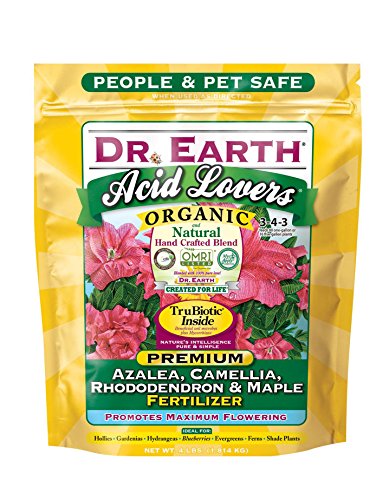
This 4 lb blend is noted for being non-GMO and pet-safe, with multi-minerals, proteins, carbohydrates, humic acids, and trace elements that aim to promote a healthy soil foundation for acid-loving plants. Best for gardeners seeking a non-GMO, handcrafted option that emphasizes soil health. Limitation: as with many specialty blends, measured feeding according to plant stage is important to avoid over-fertilization.
Miracle-Gro Water Soluble Azalea, Camellia, Rhododendron Plant Food

This water-soluble formula is designed to feed acid-loving plants quickly, including azaleas, camellias, rhododendrons, gardenias, and other ornamentals. It’s suitable for indoor or outdoor use, making it versatile for planters and garden beds. Best for those who want immediate nutrient access. Limitation: can require frequent reapplication for continuous growth in active seasons.
Scotts Miracle-Gro Miracid Acid-Loving Plant Food
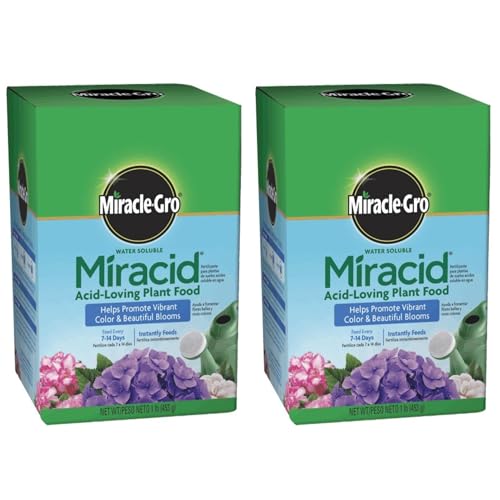
Miracle-Gro Miracid is formulated to instantly feed acid-loving plants like azaleas and rhododendrons through both root and leaf uptake, offering a double feeding action. Best for gardeners who want quick results for established plantings. Caution: over-fertilization or excessive use can lead to leaf burn, so adhere to label directions.
Bloom City Acid-Loving Plant Fertilizer
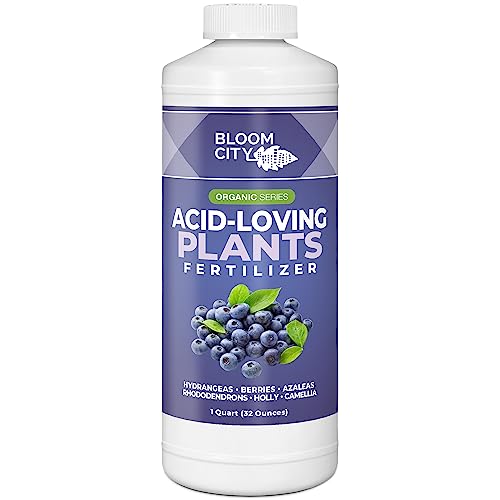
Bloom City’s liquid acidifier is designed for blueberries, hydrangeas, and other plants that prefer lower pH soil, with balanced nutrition to support healthy root systems and foliage. Best for ongoing maintenance in acid-loving landscapes. Limitation: liquid formulas may require more frequent dosing than slow-release products in larger plantings.
GARDENWISE Slow Release Hydrangea Fertilizer

This slow-release 8-4-8 formula includes iron and sulfur to support soil acidity and bright blooms for hydrangeas, azaleas, camellias, and magnolias. Best for gardeners who want steady nutrient delivery with less frequent applications. Caution: slow-release products may require several weeks to show visible results after application.
Gardenia Fertilizer – Liquid Plant Food
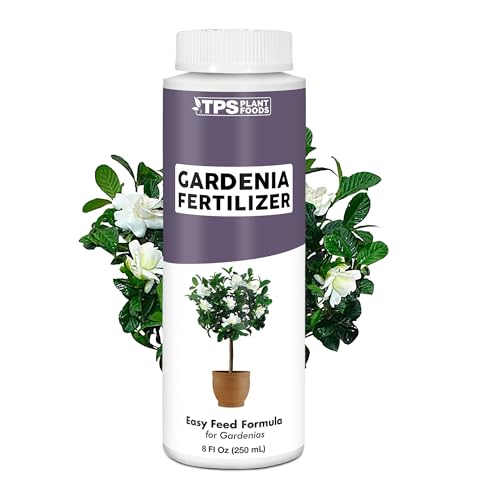
Specifically formulated for gardenias and similar shrubs, this liquid feed aims to balance nutrition for green foliage and steady bloom development in acidic soils. Best for gardeners focusing on gardenia vigor and flower production. Limitation: designed for gardenias; other acid-loving species may require a complementary product for optimal results.
Buying Guide: Key Purchase Considerations
- Plant type and soil pH: Match fertilizer to the primary acid-loving plants you grow (azaleas, hydrangeas, rhododendrons, blueberries, camellias, gardenias). Check whether the product is labeled for acid-loving species and if it includes soil acidification components like iron or sulfur.
- Formulation: Decide between granular slow-release versus liquid quick-acting formulas. Slow-release products provide steadier feeding with less frequent applications, while liquids give faster results but may require more frequent use.
- Soil health benefits: Some products include beneficial microbes or organic materials that improve soil structure. Consider whether microbial content aligns with your gardening philosophy and needs.
- Organic vs. synthetic: Natural blends appeal to organic gardeners and petsafe options, while synthetic blends often deliver predictable nutrient ratios and faster uptake. Consider safety for pets and children if the area is frequently accessed.
- Application timing: For many acid-loving plants, early spring feeding supports vegetative growth before blooms. Some products benefit from post-bloom applications to encourage next-year vigor.
- Container vs. in-ground use: Indoor and outdoor contexts may require different formulations or dilution rates. Check label directions for container plants versus garden beds.
- Safety and handling: Follow label directions for measuring, mixing, and watering to avoid root burn or foliar damage. Some products caution against over-application in hot weather or drought.
FAQ
- What type of fertilizer is best for acid-loving plants?
A balanced acidifying formula with micronutrients like iron is effective for chlorosis-prone plants such as azaleas and rhododendrons. Consider whether you prefer slow-release or liquid forms based on your maintenance routine.
- Do I need to acidicify soil separately from fertilizing?
Some products act as both a fertilizer and a soil acidifier, offering a convenient option. If soil pH is very high, you may need a dedicated soil acidifier in addition to regular feeding.
- Can I use these fertilizers on evergreen shrubs?
Yes, many acid-loving shrubs respond well to these products, especially those formulated for azaleas, camellias, hydrangeas, and blueberries. Always check the product’s plant compatibility list.
- How often should I fertilize acid-loving plants?
Frequency depends on formulation. Slow-release products may be applied a few times per year, while liquid feeds are typically used more often—following product-specific guidelines is essential.
- Are organic options effective for a home garden?
Organic blends can be effective, especially for long-term soil health, but results may take longer to appear compared with synthetic formulations. Choose based on your goals and soil conditions.
- What signs indicate over-fertilization?
Symptoms include leaf burn, yellowing or browning leaf margins, stunted growth, or poor flowering. If observed, reduce application rate and water deeply to flush excess nutrients.