Answer: An elevated vegetable garden box provides accessible planting, improved drainage, and flexible placement. The top picks here are mobile, sturdy, and designed to prevent waterlogging, making them ideal for seniors, busy urban residents, and anyone seeking a low-bending gardening experience. The following selections emphasize durability, ease of movement, and efficient drainage for healthy vegetables, herbs, and flowers.
| Product | Key Benefit | Best For |
|---|---|---|
| LEETOLLA Elevate 32″ Tall Raised Garden Bed | Mobility with wheels; high capacity; anti-rust coating | Those who need to move plants to sun or shelter |
| LEETOLLA Raised Garden Bed Outdoor Elevate | Space-saving design; wheels and handle; drainage system | Balcony or narrow spaces; back-pain or mobility shoppers |
| MIXC Wooden Raised Garden Bed With Legs | Large soil capacity; wood-beam construction; liner-ready | Traditional wood lovers seeking robust structure |
| OYEAL Raised Garden Bed 32″ Tall With Trellis | Trellis for climbing plants; ergonomic height; drainage features | Herbs, tomatoes, and climbing plants on decks or patios |
| Best Choice 48 x 24 x 30 Inches Raised Garden Bed | Significant planting area; built-in drainage; all-wood | Large veggie patches on patios or backyards |
LEETOLLA Elevate 32″ Tall Raised Garden Bed

Features: 400lbs capacity; heavy-duty powder-coated iron; anti-rust coating with lifetime rust resistance. Wheels and ergonomic handle enable effortless mobility, even when fully loaded with soil. Dual-stage drainage (5 holes plus 2 cross lines) reduces waterlogging and promotes healthy root airflow.
Best for: Gardeners who need to relocate beds to chase sun, protect from weather, or accommodates mobility concerns. This model emphasizes portability, making it ideal for balcony, patio, or backyard setups where space and access vary. Caution: metal beds can feel heavy when empty and require proper handling during repositioning.
LEETOLLA Raised Garden Bed Outdoor Elevate

Features: 400lbs capacity; anti-rust powder-coated iron with three-times thicker coating for longevity; smooth mobility with two wheels and an ergonomic handle. Dual-layer drainage (5 holes + 2 cross lines) keeps soil from waterlogging and supports better root health.
Best for: Back-friendly gardeners needing a taller, movable bed that can be tucked into narrow spaces or moved into sun as needed. Consider this if you want strong materials and clear drainage advantages. Caution: width is optimized for mobility, not large container depth.
MIXC 331 lb Capacity Wooden Raised Garden Bed

Features: Untreated fir wood with pine radiata supports; 48″ L x 24.4″ W x 31″ H; deep soil space (9″) with 5-6 cubic feet capacity; built with column-beam structure for strength; waterproof liner included for DIY moisture management.
Best for: Gardeners who prefer a traditional wood frame with deep soil for robust plant growth. The included liner helps protect wood from moisture. Caution: wood requires routine maintenance to avoid weathering in extreme climates.
OYEAL Raised Garden Bed 32″ Tall With Trellis

Features: Vertical raised beds with a built-in 11-inch trellis for climbing plants; ergonomic height reduces bending; drainage hole with removable tray manages excess water and keeps spaces tidy. Suitable for vegetables, herbs, and flowers in urban spaces.
Best for: Those growing climbing varieties like tomatoes or cucumbers on decks or balconies, or anyone who wants a multi-plant vertical layout. Caution: trellis adds height and may require anchoring in windy locations.
Best Choice 48 x 24 x 30 Inches Raised Bed
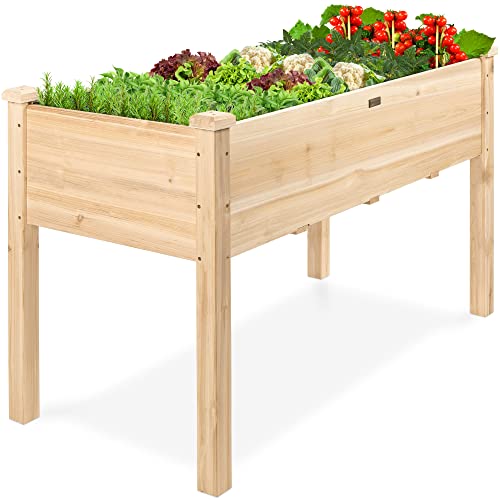
Features: Large planting space (5 cu ft); proper drainage and all-wood construction using Chinese fir; designed for durability in outdoor environments; sturdy frame supports a variety of vegetables and ornamental plants.
Best for: Gardeners seeking substantial ground-space for a diverse range of crops with a traditional wood frame. Caution: all-wood design may require seasonal sealing to prolong life in harsh weather.
Buying Guide: Key Considerations For Elevated Garden Boxes
- Mobility vs. stability: Do you need a bed you can move, or a stationary planter integrated into a fixed space?
- Material durability: Metal beds resist rot and can last years, but may require weatherproofing. Wood beds offer a classic look but need maintenance to avoid warping.
- Soil depth and capacity: Deeper boxes support root-heavy crops; larger volume reduces irrigation frequency but increases weight when filled.
- Drainage and airflow: Proper drainage prevents root rot; look for beds with multiple drainage holes or a built-in liner.
- Height and accessibility: Elevated heights reduce bending; consider ergonomic handles and wheel placement for easy access.
- Climate considerations: Powder-coated or rust-resistant finishes perform better in wet climates; wood requires sealing in cold, damp environments.
Frequently Asked Questions
- What is the best elevated garden bed for small spaces? Answer: Models with compact footprints and wheels, like the LEETOLLA options, maximize sun exposure while staying mobile in tight spaces.
- Do elevated beds prevent root rot? Answer: Yes, when they incorporate good drainage; multiple holes and cross-lines speed water removal and aeration.
- Is metal or wood better for longevity? Answer: Metal beds are often more durable in harsh weather, while wood beds offer a natural look but may need sealing and maintenance.
- Can I grow climbing vegetables in a bed with a trellis? Answer: Yes, trellis-equipped beds like the OYEAL model support tomatoes, cucumbers, and peppers effectively.
- How high should an elevated bed be for comfortable gardening? Answer: Heights around 32 inches are common and comfortable for many users, reducing bending and strain.
- Do elevated beds require liners? Answer: Liners protect wood from moisture and can extend bed life, especially in wet climates; many wooden beds include a liner.