For homeowners and landscapers aiming to add year-round structure, color, or edible fruit without overwhelming a small yard, dwarf trees offer versatile options. This guide highlights five compact, easy-to-care-for choices that suit patios, entryways, and limited-space landscapes. Each selection emphasizes ornamental value, resilience, and practicality—from decorative blossoms to edible harvests. Explore concise buying tips and a quick product snapshot to aid comparison.
| Product | Brand | Key Point |
|---|---|---|
| Calamondin Trees Live Plants Outdoor Plant | Via Citrus | Compact citrus with year-round blooms and fruit |
| Picea glauca ‘Conica’ (Dwarf Alberta Spruce) | Green Promise Farms | Slow-growing, durable evergreen for borders |
| Weeping Cherry Blossom Tree Plant | UIOTER | Spring blossoms; ornamental, non-fruiting |
| Dwarf Italian Cypress Tree | Eureka Farms | Elegant vertical accent; drought-tolerant |
| Pakistan Mulberry Live Tree | Wellspring Gardens | Edible fruit; compact starter for larger spaces |
Calamondin: Compact Citrus for Indoors or Patios

Calamondin Trees are a hybrid of mandarin orange and kumquat, thriving in compact spaces. The plant typically reaches 14-18 inches tall, making it an ideal indoor citrus tree for apartments or small patios. It features lush green leaves, fragrant white flowers, and fruit that develops year-round. Known for a pleasant citrus aroma, the calamansi fruit offers a sweet peel and tart flesh suitable for desserts, jams, and beverages. The tree also doubles as a natural air freshener with ongoing bloom and fragrance, enhancing decor while supplying fresh ingredients for cooking enthusiasts.
Conica Dwarf Alberta Spruce

This compact evergreen is fully rooted and ready to plant upon arrival in suitable zones. It grows slowly with a tidy conical form, making it a reliable border plant or accent in formal landscapes. With a mature height of 6-8 feet and a spread of 3-4 feet, it remains manageable for small yards and container gardens. Its low-maintenance nature serves as a dependable evergreen backbone for seasonal color and texture throughout the year.
Weeping Cherry Blossom Tree

The Weeping Cherry Blossom Tree offers ornamental appeal with cascading branches and abundant spring flowers. Sized as a dwarf, 8-12 inch starter plant, it brings a dramatic display without the fruiting traits of larger cherry varieties. This makes it ideal for focal points in flower beds, courtyards, or containers where seasonal blossom spectacle is desired. It provides quick visual impact and a seasonal color boost while remaining relatively easy to care for in typical home landscapes.
Dwarf Italian Cypress Tree

The Dwarf Italian Cypress is a formal, columnar evergreen well-suited for borders, hedges, or privacy screens in Mediterranean-style landscapes. Its compact growth habit makes it ideal for tight spaces, while its drought tolerance and pest resistance simplify upkeep. The plant’s striking vertical silhouette adds architectural height to gardens and entryways, especially in rows or as a standalone accent near pathways or patios.
Pakistan Mulberry Live Tree

The Pakistan Mulberry (Morus nigra) provides an edible harvest with a compact starter size that suits patios or smaller landscapes. Arriving as a young plant, it grows to a substantial mature height (up to 40 feet in ideal conditions), so plan spacing accordingly. This variety tolerates full sun and well-drained soil, offering drought tolerance once established. It makes a strong statement in larger yard designs while allowing phased expansion as space permits.
Mulberry Dwarf Everbearing

Note: This option presents another dwarf mulberry variant suitable for containers and small yards. It is a compact cultivar that can yield several crops per year, especially in warmer climates. When selecting mulberries for limited spaces, consider mature size, fruit drop potential, and required trellis or staking support for stability in wind-prone areas.
Weeping Willow Cutting
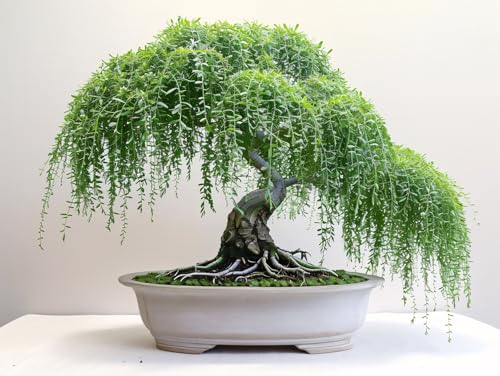
The Weeping Willow Cutting offers a fast-growing, dramatic silhouette suitable for ornamental spaces and bonsai-inspired landscapes. While marketed as a cutting rather than a full plant, it provides a basis for creating graceful cascading branches in a pot or ground-restricted area. This option should be considered where rapid vertical interest and movement are desired, with attention to appropriate rooting, soil, and spacing requirements.
Buying Guide: Key Purchase Considerations and Comparisons
- Size and mature height: Choose species that fit your available space—dwarf forms typically stay within 3-8 feet in many urban yards, but some can reach much taller heights over time.
- Sun and soil requirements: Match plants to your site’s sun exposure and soil type. Drought tolerance is valuable in low-water landscapes, but some varieties prefer consistent moisture.
- Maintenance needs: Consider pruning needs, pest resistance, and fertilization ease. Low-maintenance options save time and resources in busy households.
- Purpose and aesthetics: Decide whether the priority is year-round greenery, seasonal blossoms, or edible fruit. Ornamental forms like cherry blossoms deliver spring color, while fruiting types provide harvest opportunities.
- Urban suitability and containers: For patios or balconies, select varieties described as suitable for container growth or small-space landscapes, ensuring stable root systems and adequate drainage.
- Climate compatibility: Check USDA hardiness zones or regional climate notes. Some trees tolerate colder temperatures, while others thrive in warm conditions with full sun.
- Spacing and growth rate: Plan for future growth to avoid crowding nearby structures, utilities, or walkways. Slow-growing choices reduce the need for frequent reshaping.
- Edible versus ornamental: If you want harvests, prioritize fruiting species like calamondin or mulberry. For purely decorative displays, choose flowering or evergreen options.