Discover compact, vibrant barberry options that brighten borders, hedges, or container plantings. This guide highlights five dwarf Berberis cultivars, including Aurea and Golden Nugget, plus a drought-tolerant fig option for diverse planting contexts. Each selection prioritizes small size, striking foliage color, and adaptable growing conditions for American landscapes.
Summary of Selected Products
- Aurea Golden Japanese Barberry – Life Nursery & Garden – 1 Quart – Compact, bright yellow foliage
- Golden Nugget Dwarf Japanese Barberry – Monrovia – 3 Gal – Golden foliage, arching thorns
- Golden Ruby Barberry – Monrovia – 3 Gal – Orange-reddish foliage, compact habit
- Crimson Pygmy Dwarf Barberry – Life Nursery & Garden – 1 Quart – Dark red leaves, compact form
- Beer’s Black Fig Tree (Dwarf Habit) – Wellspring Gardens – 3 Positive growth, fruit bearing
Aurea Golden Japanese Barberry

This plant ships in a fabric grow bag and starts in a 1-quart nursery pot. The cultivar Aurea is noted for bright yellow foliage. It is a compact, upright, multi-stemmed, deciduous shrub that typically grows 3-4 feet tall and 3-5 feet wide. Leaves emerge yellow and usually retain strong yellow color in full sun, though shade can dull color to yellow-green. Suitable for borders, accent plantings, or low hedges in sunny spots with well-drained soil.
Golden Nugget Dwarf Japanese Barberry

This 3-gallon Monrovia selection features dramatic golden foliage from spring through fall. The arching stems carry thorns, earning it the “barberry” name. It grows in USDA zones 4-8, tolerates full sun to part shade, and prefers well-drained soil. Expect a compact size with potential berries in fall. Pruning isn’t required unless you want to maintain the shape and size. Note that shipment restrictions may apply to certain states in the U.S., and color intensity is best in sunny locations.
Golden Ruby Barberry
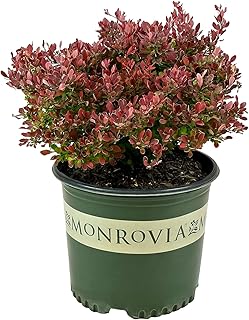
This 3-gallon Monrovia variety delivers compact, deciduous habit with vibrant spring foliage that shifts to golden-orange-brick-red tones in fall and winter. It features a dense, bushy form and short, thorny stems. Height and width typically stay around 2-3 feet as it matures, making it a strong choice for low hedges or decorative borders in zones 4-8. Like other barberries, ensure full sun for best coloration and berry potential, and prune only as needed to maintain shape.
Crimson Pygmy Dwarf Barberry

This smaller, dwarf version of the Red Barberry features dark blood-red foliage from spring through frost, maintaining a neat, compact, round growth habit. It is suited for small beds, borders, or container displays where color contrast is desired. It is typically slow-growing and best planted in full sun to achieve the deepest color. Spacing and maintenance should reflect its compact stature for year-round appeal.
Beer’s Black Fig Tree (Dwarf Habit)

The Beer’s Black Fig Tree offers a dwarf habit with a mature height range of 12 to 20 feet in suitable conditions, making it appropriate for container gardening or smaller spaces in zones 6-10. It arrives in a small pot and is described as ready to thrive in gardens or patios. This cultivar produces sweet figs, providing a fruiting opportunity in addition to ornamental value. It is best grown in well-drained soil with full sun to partial shade, and requires minimal maintenance compared to larger fig trees.
Buying Guide: Key Purchase Considerations For Dwarf Barberries And Dwarf Fruit Trees
When selecting dwarf barberries or dwarf fig trees for small spaces, consider these factors to ensure resilient, colorful, and low-maintenance plants.
- Sunlight and color: Most barberries show their best foliage color in full sun. If you have partial shade, expect less vibrant yellow or orange tones and consider cultivars marketed for shade tolerance.
- Size and pruning needs: Dwarf barberries typically stay compact, but some varieties may require occasional shaping. Plan container or bed space accordingly to accommodate eventual mature dimensions.
- Soil and drainage: Well-drained soil is vital for barberries. Ensure soil amendments or raised beds if drainage is a concern. For fig trees, deep, loamy, well-drained soil supports fruiting and vigor.
- Hardiness zones: Check the zone recommendations (e.g., zones 4-8 for many barberries). Be aware of state restrictions for live plant shipments in certain regions and any shipping restrictions noted by sellers.
- Thorns and planting considerations: Barberries often have thorny stems; place them away from walkways or play areas. Use barriers or strategic placements for hedges or borders.
- Fruit and ornamental value: Some barberry cultivars offer decorative berries in fall, while fig trees provide edible fruit. Consider whether you want ornamental foliage only or additional fruit production.
- Container suitability: For limited spaces, confirm that the cultivar tolerates pot confinement and can be maintained with regular pruning and proper watering.
These selections provide a range of color, size, and use cases—from sunny borders to container gardens. Always verify local restrictions for live plants and follow best practices for site preparation and ongoing care to maximise the visual impact of dwarf barberries and fig trees in American landscapes.