Deer and other critters can threaten fruit trees, berries, and vegetable beds. The right deer netting creates a physical barrier that protects crops while remaining gentle on plants and the surrounding ecosystem. This article reviews five top options, highlighting mesh size, durability, ease of use, and versatility so American gardeners can choose the best fit for trees and shrubs.
| Product | Brand | Size | Mesh | Notes |
|---|---|---|---|---|
| Feitore Deer Fence Netting | Feitore | 7 ft x 100 ft | 3/4 inch | Reusable; includes nails & ties |
| ORIVOGAS Deer Fence Netting | ORIVOGAS | 6.5 ft x 50 ft | 5/8 inch | Reinforced edges; versatile uses |
| KLEWEE Bird Netting | KLEWEE | 7.5 ft x 100 ft | 3/4 inch | UV-stabilized; strong & reusable |
| AlpineReach Garden Netting | AlpineReach | 7.5 ft x 100 ft | 5/8 inch | Extra strong; easy to cut |
| Dalen Deer X Netting | Dalen | 7 ft x 100 ft | 3/4 inch | USA-made; weather-ready |
When choosing netting, consider the volume of trees, the height of the branches, sun exposure, and how easily you can secure the edges. A 7–8 foot height is generally sufficient for protecting most fruit trees and shrubs, while 3/4 inch mesh is widely used to keep out deer and larger birds without restricting airflow or sunlight. Look for UV resistance and a lightweight yet durable material to ensure the netting lasts through multiple seasons.
Feitore Deer Fence Netting
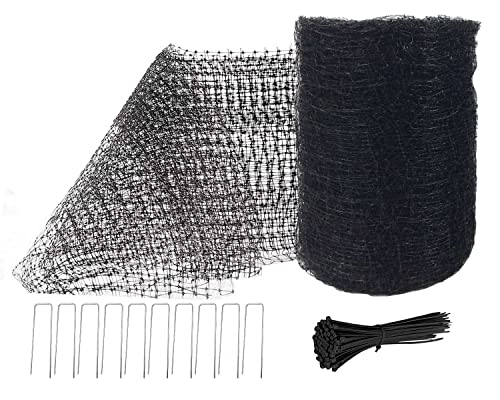
Feitore offers a 7 feet by 100 feet deer netting with a 3/4 inch square mesh, designed to protect fruits, vegetables, and ornamental trees without harming birds or small animals. The netting is made from polypropylene, providing a lightweight yet sturdy barrier. Its design emphasizes reuse, resisting tearing, rust, and rot, making it a practical, economical choice for seasonal protection. Included accessories—installation nails and cable ties—facilitate quick setup. The 3/4 inch mesh balances protection with plant growth, allowing adequate sunlight and airflow to reach foliage.
This netting is well-suited for gardeners seeking a simple, durable solution for larger trees and orchard-like plots. It can also function as a bird netting or rabbit barrier around beds and shrubs. For best results, secure the edges firmly to the ground or posts to minimize gaps where deer might attempt to push through. Reusability helps justify the initial investment across multiple seasons.
ORIVOGAS Deer Fence Netting

ORIVOGAS provides a 6.5 by 50 foot deer fence with a 5/8 inch mesh and reinforced edges that use ropes for quick, tangle-free setup. The 55 gsm HDPE weave offers notable tear resistance, UV protection, and corrosion resistance, forming a sturdy barrier against deer, dogs, and other animals. The product is marketed as versatile, suitable not only for garden netting but also as a temporary fence, snow fence, plant protector, or poultry fence. This flexibility makes it appealing for gardeners who require a barrier that can adapt to seasonal needs or different outdoor zones.
Edge reinforcement helps prevent edges from fraying or loosening after wind or repeated handling. The slightly smaller mesh size adds an extra layer of security for young fruit protection and for preventing smaller mammals from slipping through. Users should ensure proper anchoring to the ground and posts and may layer the netting for thicker protection on high-pressure sites. The arrangement is particularly useful for protecting smaller orchards or family plots with multiple trees.
KLEWEE Bird Netting

KLEWEE offers a 7.5 by 100 foot net with a 3/4 inch mesh designed to protect fruit trees, plants, and vegetables from birds, deer, squirrels, and other intruders. Included accessories—metal U-shaped staples and zip ties—facilitate quick installation. The mesh size is fine enough to deter birds yet allows light, air, and water to reach plant foliage. The product emphasizes UV stabilization for long-term outdoor use and claims strong, reusable performance across seasons.
This option is well-suited for gardeners with medium to large trees or woodlands in the vicinity. Its heavier-duty construction aims to resist tearing and tangling, a common issue with lightweight nets. As with all netting, ensure secure anchoring and avoid sagging that could create gaps. The net can be cut to fit irregular shapes, adding flexibility for hedges and multi-trunk trees in home landscapes.
AlpineReach Garden Netting
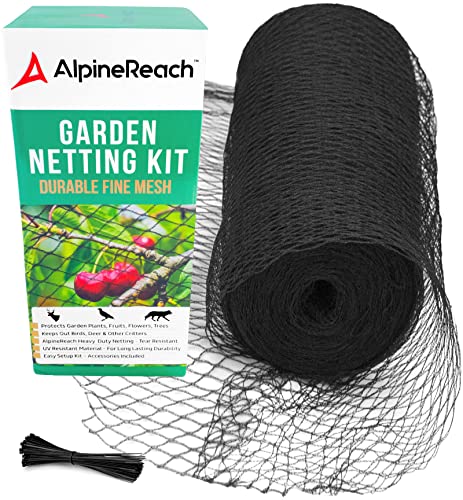
AlpineReach presents a 7.5 by 100 foot heavy-duty garden net designed to protect beds, fruit trees, and shrubs. The 5/8 inch mesh provides a balance of barrier strength and airflow, with a knitted, weather-resistant construction that remains strong through seasonal changes. The net is lightweight for easy handling and can be secured with ties or stakes. It is also described as easy to cut to size, enabling gardeners to tailor protection to individual trees or sections of a hedge row.
The netting is intended to deter birds, squirrels, rabbits, and other critters while remaining gentle on leaves and stems. Its sturdy yet flexible design makes maintenance straightforward, and the ability to layer for additional protection can be valuable for high-demand crops. Gardeners with larger orchard sections or diverse plantings may appreciate the net’s adaptability and easy reusability across seasons.
Dalen Deer X Protective Netting
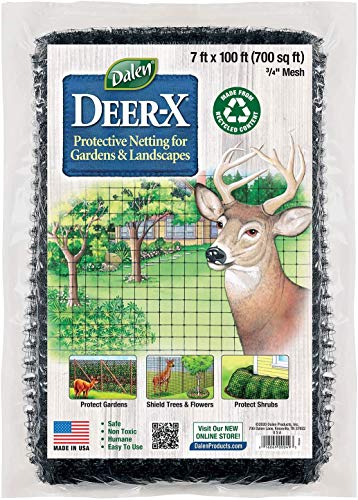
The Dalen Deer X netting focuses on a practical fencing solution for gardens and landscapes. The Gardeneer deer netting uses a 3/4 inch polypropylene mesh with UV inhibitors, designed to withstand harsh outdoor environments. Its strong, durable construction is intended to protect vegetables, fruits, shrubs, and trees from deer and other pests without the need for expensive fencing. It is available in two sizes, including a 7 by 100 feet option, aligning with typical garden layouts and tree rows.
As with other options, securing the perimeter is essential to prevent deer from finding gaps. The Dalen solution emphasizes American-made quality and weather-resistant features, which can be appealing for gardeners seeking domestic manufacturing and reliable performance. The low-profile barrier is suitable for keeping deer at bay while allowing sun and rain to reach plant canopies for healthy growth.
Buying Guide: Key Purchase Considerations
Protection level: For high-deer pressure sites, choose a taller net, preferably 7–8 feet, with a fine mesh to deter large and medium animals. Mesh size around 3/4 inch is common and effective for many crops, but smaller mesh can offer extra protection for young trees or high-value plants.
Material and durability: Look for UV-stabilized, weather-resistant polypropylene or HDPE. These materials resist tearing, stretching, and sun damage, ensuring longer life across multiple seasons. Reusability is a major cost-saver for homeowners.
Ease of installation: Edges that can be weighted, clipped, or staked reduce sag and wind movement. Reinforced edges and included hardware (ties, staples, nails) speed setup and minimize maintenance.
Flexibility and coverage: Consider whether you need a single-use barrier or a multi-zone solution that can adapt to different tree shapes, hedge rows, or garden beds. Some nets are easily trimmed to fit irregular shapes without compromising integrity.
Environmental impact: Choose nets that minimize harm to birds and small wildlife while effectively excluding deer. Avoid nets with sharp edges or coatings that could cause damage to foliage or wildlife interactions.
Maintenance and storage: Lightweight nets are easier to store during off-seasons. Favor nets that don’t tangle easily and can be cleaned or shaken free of debris for reuse.