Growing black beans at home offers a nutritious, fiber-rich harvest for chili, salads, and hearty stews. This guide highlights five reliable black bean seeds—chosen for flavor, yield, and adaptability across American growing regions. Each entry includes key traits to help you compare varieties and plan your planting calendar.
| Product | Brand | Seeds | |
|---|---|---|---|
| Bean Seed, Black Turtle Bush Bean | COUNTRY CREEK ACRES | 50 | Heirloom, non-GMO; terrific flavor and fiber-rich. |
| Bean Seed, Black Turtle Bush Bean | COUNTRY CREEK ACRES | 100 | Same variety with higher seed count; versatile for home gardens. |
| Cherokee Trail of Tears Bean | Thresh Seed Co. | 25 | Rare heirloom; heavy yields; pods and young beans usable. |
| “Black Valentine” Bush Bean Seeds | Isla’s Garden Seeds | 50-55 | Early maturing; good flavor; compact bush habit. |
| Black Turtle Soup Bean Seeds | Isla’s Garden Seeds | 25 | Rich flavor; ideal for soups and stews; small, shiny beans. |
Bean Seed, Black Turtle Bush Bean — 50 Seeds

This variety is described as a terrific, tasty black bean ideal for chili and other dishes. It is highlighted as non-GMO and offers a fiber-rich option for healthy meals. The bush habit helps keep plants manageable in home gardens, typically producing numerous pods with consistent dark beans. Gardeners often appreciate the reliability of a seasoned heirloom lineage alongside modern seed standards.
Bean Seed, Black Turtle Bush Bean — 100 Seeds

An extended seed packet of the same Black Turtle Bush Bean variety offers extra planting options for larger gardens or succession planting. The open-pollinated heritage aligns with home seed-saving goals, and the beans are suited for chili, rice dishes, and traditional black bean recipes. As with most bush beans, providing even moisture and full sun supports steady yields through the growing season.
Cherokee Trail of Tears Bean — 25 Seeds
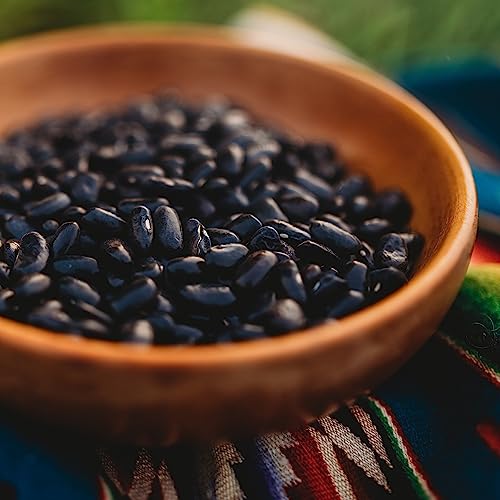
The Cherokee Trail of Tears bean is a rare heirloom variety with a historical story. It is described as a pole-type plant that yields heavily, with pods and beans that can be used fresh. Gardeners may find this cultivar appealing for its heritage value and potential for high production in supported trellising setups. The hot, sunny growing conditions typical of many regions suit this bean well when provided with adequate soil moisture.
“Black Valentine” Bush Bean Seeds — 50-55 Seeds
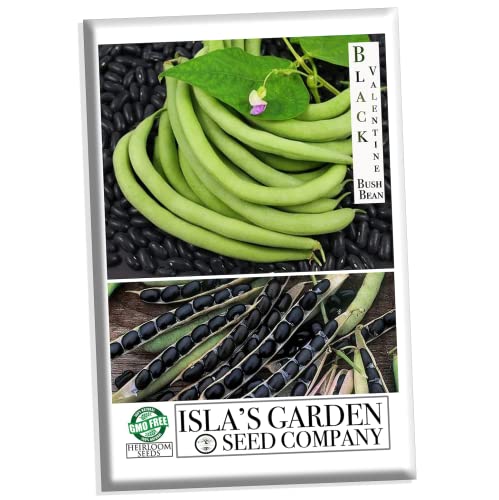
The Black Valentine bush bean is an early-maturing, open-pollinated variety with long, sturdy pods and strong flavor. Its upright growth habit helps keep beans elevated above ground contact, reducing issues with rot and curling. The instructions suggest typical spacing and planting depths, with a focus on maintaining soil moisture to prevent shallow-root stress. It pairs well with warm-season garden planning and can be harvested across multiple picking windows.
Black Turtle Soup Bean Seeds — 25 Seeds

Known for their small, shiny appearance and dense, earthy flavor, Black Turtle beans are a staple in Latin American cuisines and widely used for soups and stews. This listing emphasizes the variety’s suitability for home gardens and its potential for a flavorful, versatile pantry staple. Garden conditions that favor steady soil moisture and warm daytime temperatures typically yield dependable harvests for this cultivar.
Buying Guide: Key Purchase Considerations
When selecting black bean seeds for planting, consider seed origin and history, plant habit, and growing conditions. Heirloom varieties often offer unique flavors and genetic diversity, though they may require careful soil management. Bush beans are generally easier to grow in small-space gardens, while pole beans may require trellis support but can produce over a longer period. Look for non-GMO labels if that matters to you, and verify seed viability by choosing fresh packets from reputable suppliers. Consider days to maturity, regional climate suitability, and whether you plan to consume beans fresh, dried, or both. For seed saving, choose open-pollinated varieties to ensure reliable future crops. Finally, check whether the seed packet includes planting instructions to optimize germination rates in your local conditions.
Additional considerations include soil health, irrigation practices, and season extension. In hotter regions, mulching and drip irrigation help maintain even moisture without promoting disease. In cooler regions, starting seeds indoors or using protective row covers can shorten the time to harvest. For culinary goals, select varieties with flavor profiles and pod textures that align with your favorite chili recipes, stews, or sides. Comparing two or more varieties side by side can clarify the best fit for your garden’s space, climate, and preferred harvest schedule.