Answering the need for reliable, portable pasture and garden protection, these battery-powered electric fence chargers provide flexible, off-grid fencing power. They are ideal for small-to-medium fencing tasks, ranging from garden borders to poultry enclosures and light livestock pens. The top picks here are best for buyers seeking portability, day/night operation, and low-maintenance solar-powered solutions that keep fences energized with minimal daily attention. The following table summarizes the five most relevant options for a typical American yard or small farm setting.
| Product | Best For | Power (Joules) | Coverage | Limitations |
|---|---|---|---|---|
| ANDMON 10 Miles Solar Fence Charger | Portable grazing along fences | 0.16 | Up to 10 miles | Compact; may require sunny days for max charge |
| Epoify 24 Hour Solar Fence Charger | Livestock and predator deterrence | 0.18 | Up to 10 miles | Best with consistent sun for full-day charging |
| Zhangmengge 5 Miles Solar Fence Charger | Go-anywhere garden protection | 0.11 | Up to 5 miles | Lower output; lightweight and portable |
| PLOWIC Solar Fence Charger | Outdoor poultry and garden safety | 0.20 | Up to 10 miles | Requires sun for best performance; IP55 rated |
| FenceMate 0.5J Battery Fence Charger | Homestead fencing with multipurpose use | 0.5 | Up to 10 miles | More robust output; heavier compared to ultra-portables |
ANDMON 10 Miles Solar Fence Charger with Day/Night Mode
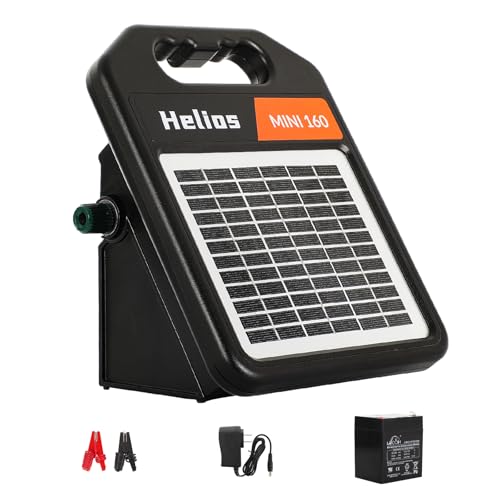
Best for portable grazing setups where you relocate fences seasonally, this charger energizes up to 10 miles of fence. It features a built-in solar panel and an internal GEL battery, delivering 24-hour power with day/night mode. The unit is compact and designed for quick installation on a steel rod, making it ideal for strip grazing or temporary perimeter setups. Best for buyers who need easy mobility and a self-contained solar solution in sunny environments.
Who it’s best for: small to mid-sized pastures, temporary fencing projects, or seasonal grazing where the charger can be moved as fields rotate. Why selected: it combines portability with reliable day/night operation in a single, self-contained package. Caution: performance hinges on consistent solar exposure; heavily shaded sites may reduce daily charging efficiency.
Epoify 24 Hour Solar Fence Charger, 10 Miles
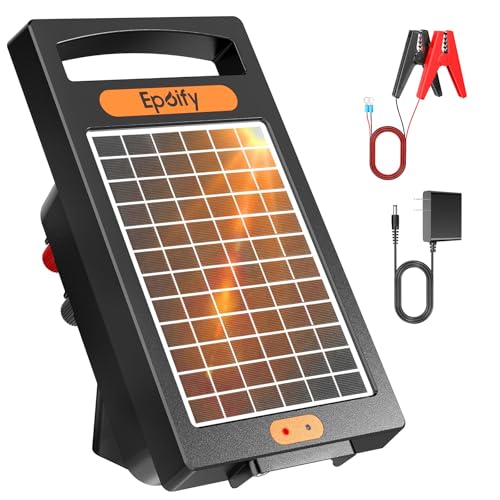
Designed for 24/7 operation, this charger delivers a stable 0.18 Joule pulse to contain livestock and deter predators, with coverage up to 10 miles when vegetation and grounding are properly managed. It stores energy in daylight for overnight fence energizing, supporting continuous protection. Best for: livestock and poultry operations that need reliable day-night fencing without daily manual charging. Why selected: strong all-day charging capability combined with predator deterrence makes it a solid mid-range choice. Caution: actual 24/7 performance depends on battery health and sun exposure; cloudy days may impact output.
Zhangmengge 5 Miles Solar Fence Charger

This ultra-portable charger is aimed at small properties needing go-anywhere fencing protection. It uses a thicker, larger solar panel with an intelligent conversion system to store charge by day and run through the night. It’s best for garden borders, chicken runs, and small paddocks where portability and energy efficiency matter. Choose this if you prioritize light weight and easy transfer between lines. Limitation: lower Joule output means it’s best for light-duty fencing.
PLOWIC Solar Electric Fence Charger 10 Miles

With a 0.20 Joule output and up to 10 miles of coverage, this charger is well-suited for larger or more demanding fencing applications. It includes a 3W solar panel and a 10,400 mAh battery, delivering day/night power for livestock, poultry, and garden protection. Best for: users who need robust performance in outdoor conditions, including varying weather. Why selected: high-output option in the solar category. Caution: performance depends on solar availability; in extended cloudy spells, daily energy may dip.
Zhangmengge 10 Miles Solar Fence Charger

This option mirrors the go-anywhere design with a similar emphasis on day/night operation and portability. It can energize up to 10 miles and is well-suited for larger gardens or paddocks where a flexible, mobile fencing setup is valued. Best for: users who want a robust portable charger with consistent day/night performance. Caution: ensure adequate sun to maximize daytime charging.
Gorhope 5 Miles Solar Fence Charger

Providing 0.11 Joules of output with 24/7 power, this unit is designed for garden and small-livestock protection. It supports a 24/7 operation model with reliable day/night energy supply. Best for: budget-conscious buyers needing steady, lower-output protection over a compact area. Why selected: cost-effective option with consistent all-day performance. Caution: lower Joule rating means it’s better suited for light-duty fencing and smaller sectors.
Andmon MINI250 Solar Fence Charger
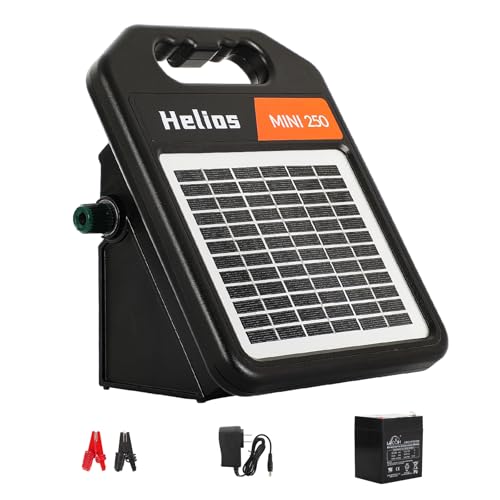
Targeted at strip grazing and smaller fencing lines, the MINI250 energizes up to 12 miles and features a compact design with built-in solar panels and a GEL battery. Best for: users who need a balance of portability and higher energy in a smaller package. Why selected: strong energy density for its size and a robust solar-battery combination. Caution: as with other solar devices, optimal performance requires adequate sun exposure for daytime recharging.
Buying Guide: Key Considerations for Battery-Powered Garden Fence Chargers
What should you evaluate before buying a solar or battery-powered fence charger?
- Fence length and type: Determine the total miles of fencing and the wire type (steel, aluminum, tape) to match the charger’s output and impedance.
- Joule output: Higher joules usually provide stronger pulses; choose based on the animals you’re containing and the vegetation in the area.
- Power source: Solar panels plus internal battery simplify off-grid use; verify sun exposure and battery capacity for night operation.
- Durability: Look for IP ratings and operating temperature ranges for outdoor reliability in varying climates.
- Portability: For rotating grazing or seasonal setups, prefer lighter units with easy mounting options.
- Maintenance: Consider battery life, panel cleanliness, and whether batteries are replaceable or integrated.
- Ease of installation: Some models require only mounting on a rod with ground connections; others may need more wiring or grounding.
Practical Buying Tips
- Choose a model with day/night operation if you need continuous protection without daily charging.
- Prefer units with built-in solar panels for easier setup and fewer accessories.
- For garden protection, a lower Joule rating can suffice if the fencing is short and vegetation is light.
- Avoid overestimating needs—select a charger with a little headroom to handle unexpected growth or grounding changes.
- Consider the climate: cloudy or rainy seasons may require larger battery banks or higher solar panel efficiency.
FAQ
- What is the difference between Joule output and voltage in fence chargers?
Joules measure the energy of each pulse; voltage indicates the peak electrical potential. Both affect how effectively an animal is deterred, but joule output often correlates with a stronger pulse over long lines. - Can I use these chargers for a large pasture?
Yes, but verify the total fence length (miles) and ensure the unit’s joule rating and impedance align with the fence type and vegetation. - Do solar-powered chargers work at night?
They store energy in the battery during daylight, enabling continued operation at night. - Is IP65/55 rating important?
Higher IP ratings improve weather resistance, which is beneficial for outdoor installations in rain, dust, or snow. - How often should I service the charger?
Regular checks of battery health, connections, and ground integrity help maintain consistent performance.