Acid-loving plants such as azaleas, hydrangeas, rhododendrons, blueberries, and camellias often require specialized fertilizers to maintain vibrant blooms and healthy foliage. This guide highlights five top-rated options designed to lower soil pH and supply essential nutrients. Each product below is suitable for gardeners seeking effective acid lovers’ feeds, with a mix of water-soluble and slow-release formulations. Read on to compare how these choices support lush flowers, strong roots, and resilient growth in acidic soils.
Summary of chosen products:
| Product | Brand | Key Use |
|---|---|---|
| Miracle-Gro Water Soluble Mir Acid-Loving Plant Food | Scotts | Instant feeding for acid-loving plants; root and foliar action |
| Down To Earth All Natural Fertilizers Organic Acid Mix | Down To Earth | Low-pH blend for acid-preferring plants; promotes blooms and fruit |
| GardenWise 8-4-8 Acidic Fertilizer | GARDENWISE | Iron-rich, soil-acidifying formula for a broad range of acid lovers |
| Espoma Organic Soil Acidifier | Espoma | Soil pH lowering with elemental sulfur; blue hydrangea option |
| Dr. Earth Acid Lovers Azalea, Camellia, Rhododendron & Maple Fertilizer | Dr. Earth | Non-GMO, pet-safe, mineral-rich blend for acid-loving plants |
Miracle-Gro Water Soluble Miracid For Acid-Loving Plants
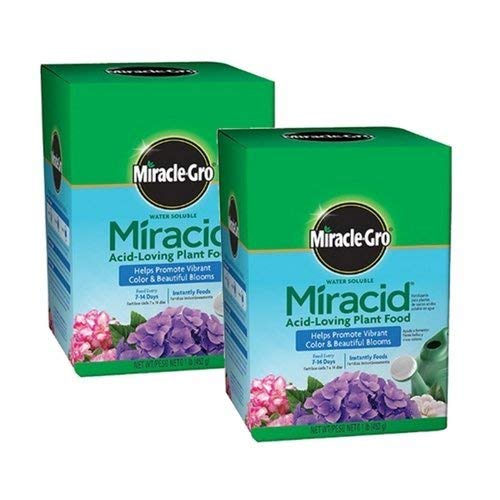
Miracle-Gro’s Miracid water-soluble formula is designed for quick uptake by roots and leaves. It instantly feeds acid-loving plants such as azaleas, hydrangeas, and rhododendrons, supporting robust flowering and vibrant color. The product delivers a double feeding action that nourishes both root systems and foliage, enabling rapid improvement after application. This option fits gardeners who want fast-acting results and easy broadcasting or dissolved-in-water use for irrigation or foliar sprays.
Down To Earth Organic Acid Mix For Blueberries And Azaleas

This all-natural blend is tailored for acid lovers like azaleas, rhododendrons, camellias, blueberries, and evergreens. With a 4-3-6 formulation, it supports vegetative growth in early spring and encourages blooms as flowers appear. Fall applications can promote root development and bolster winter hardiness. Gardeners seeking an organic option that lowers soil pH over time may prefer this mix for sustainable soil management and vibrant ornamental or fruit-bearing plants.
GardenWise Acidic Fertilizer For Acid-Loving Plants

GardenWise 8-4-8 is enriched with magnesium, iron, and manganese to prevent chlorosis in acid-loving plants such as azaleas, camellias, rhododendrons, hydrangeas, magnolias, evergreens, and blueberries. It acts as an effective soil acidifier, helping plants thrive when soils are neutral or alkaline. The product also boasts a bio-solid component, introducing beneficial microbes to support soil health and plant vitality as part of an eco-conscious approach.
Espoma Organic Soil Acidifier

Espoma’s soil acidifier lowers pH with elemental sulfur and gypsum, making it suitable for azaleas, hydrangeas, rhododendrons, blueberries, camellias, and other acid lovers. This option is popular for long-term soil modification, which can turn hydrangeas blue and improve overall nutrient availability in acidic soils. It’s designed for organic gardening and compatible with standard garden care routines.
Dr. Earth Acid Lovers Azalea, Camellia, Rhododendron Fertilizer
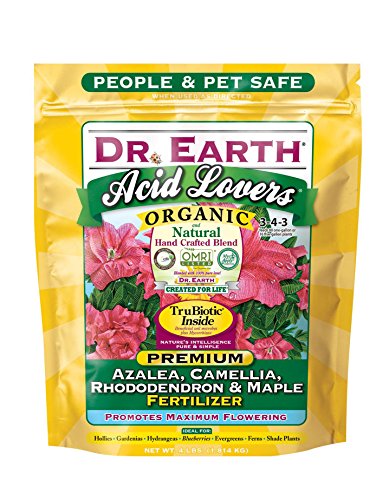
Dr. Earth’s formula is non-GMO and pet-safe, designed for acid-loving plants like azaleas, camellias, rhododendrons, and maples. The blend is handcrafted from human- and feed-grade ingredients, enriched with minerals, proteins, carbohydrates, humic acids, and trace elements. This fertilizer emphasizes soil health and sustainable growth, offering a nutrient-rich option that supports vigorous flowering and robust root systems without synthetic chemicals.
Buying Guide: Key Purchase Considerations
- Plant type and soil pH: Match your selection to the specific acid-loving plants in your landscape. Consider testing soil pH to determine how much acidity to target.
- Formulation and delivery: Choose water-soluble options for quick uptake, or slow-release blends for steady feeding. Decide whether you want foliar feeding, root feeding, or both.
- Organic vs synthetic: Organic formulas often improve soil health over time, while synthetic options provide rapid results. Consider long-term goals and any gardening certifications you follow.
- Iron and micronutrients: Some blends include iron, magnesium, or manganese to prevent chlorosis and enhance foliage color. Assess if your plants exhibit yellowing due to iron deficiency.
- Safety and usage: Review pet safety, labeling for ingestion, and recommended application rates. Follow container guidance to avoid over-fertilization.
- Soil acidification strategy: For gradual changes, select products labeled as soil acidifiers in addition to plant nutrients. Plan seasonal timing for vegetative growth and blooming.
- Compatibility with other amendments: If you already use lime, gypsum, or other soil amendments, ensure compatibility to avoid conflicting effects on pH.
- Application environment: Outdoor landscapes vs. indoor potted plants may require different application methods and frequencies.
In summary, the five highlighted products provide a range of approaches for acid-loving plants, from fast-acting water-soluble feeds to soil acidifiers and organic blends. Consider your plant types, soil conditions, and preferred gardening style when choosing the best option for your garden.